


William Wigthorpe
Released Album
Vocal
-
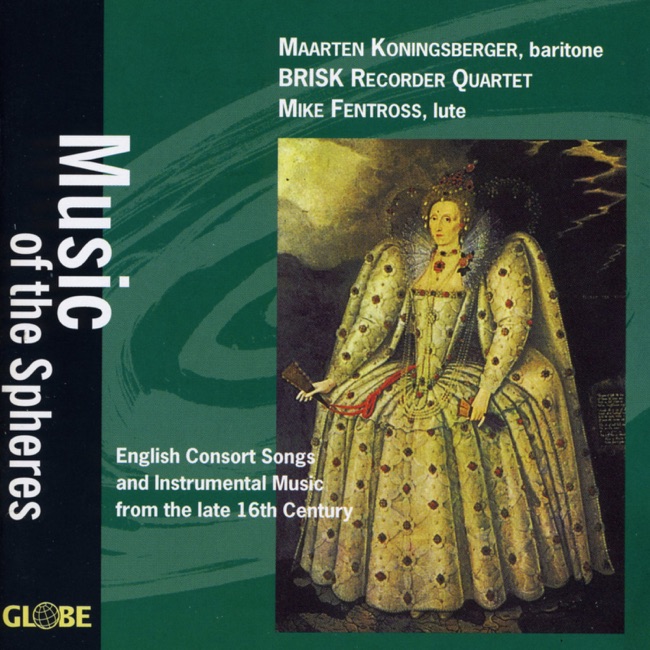 May 9, 2006
 -
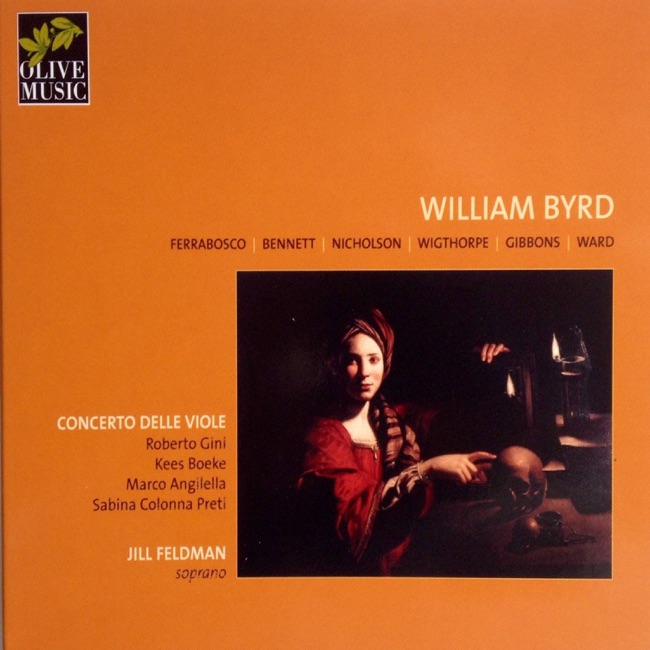 July 12, 2005
Miscellaneous
-
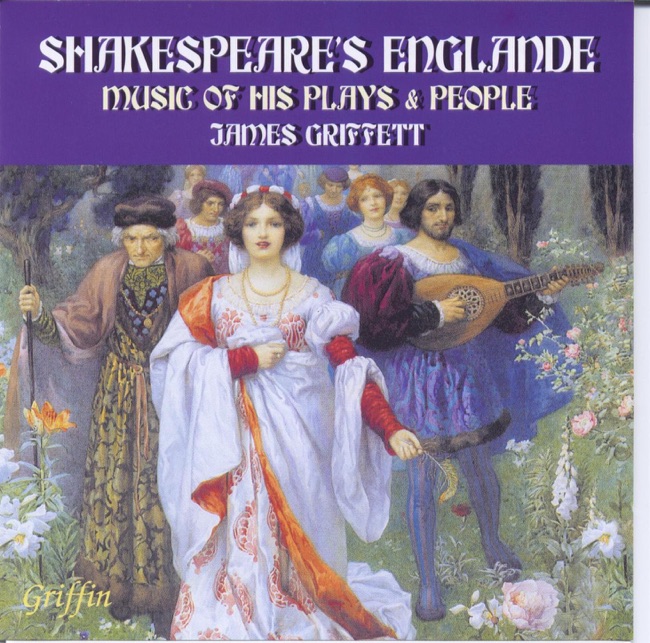 September 24, 2002
Artist Info
Role:ComposerPeriod:RenaissanceGenre:VocalWilliam Wigthorpe was a renowned classical music composer who was born on May 12, 1925, in London, England. He was the youngest of three children born to a family of musicians. His father was a violinist, and his mother was a pianist. From a young age, Wigthorpe was exposed to music and began playing the piano at the age of four. Wigthorpe's parents recognized his talent and encouraged him to pursue a career in music. He began studying music theory and composition at the age of eight and was soon composing his own pieces. By the time he was a teenager, Wigthorpe had already composed several works for piano and chamber ensembles. In 1943, Wigthorpe was drafted into the British Army and served in World War II. During his time in the army, he continued to compose music and even wrote a piece for the army band. After the war, Wigthorpe returned to London and resumed his studies at the Royal Academy of Music. Wigthorpe's early compositions were heavily influenced by the works of Bach, Mozart, and Beethoven. However, as he matured as a composer, he began to develop his own unique style. His music was characterized by its intricate harmonies, complex rhythms, and use of unconventional instruments. One of Wigthorpe's most famous works is his Symphony No. 1, which he composed in 1955. The symphony is a four-movement work that showcases Wigthorpe's mastery of orchestration and his ability to create complex musical structures. The symphony was well-received by critics and established Wigthorpe as one of the leading composers of his generation. In addition to his symphonies, Wigthorpe also composed several works for chamber ensembles. One of his most famous chamber works is his String Quartet No. 2, which he composed in 1962. The quartet is a four-movement work that showcases Wigthorpe's ability to create intricate musical textures and his use of unconventional harmonies. Wigthorpe's music was not only popular in his native England but also gained international recognition. In 1968, he was invited to the United States to conduct the New York Philharmonic Orchestra in a performance of his Symphony No. 2. The performance was a great success, and Wigthorpe was hailed as a musical genius. Throughout his career, Wigthorpe received numerous awards and honors for his contributions to classical music. In 1972, he was awarded the Order of the British Empire for his services to music. He was also awarded the prestigious Grawemeyer Award for Music Composition in 1985. Wigthorpe continued to compose music until his death in 1999. His final work, Symphony No. 5, was completed just months before his death. The symphony is a testament to Wigthorpe's enduring talent and his ability to create music that is both complex and emotionally powerful. In conclusion, William Wigthorpe was a gifted composer who made significant contributions to the world of classical music. His music was characterized by its intricate harmonies, complex rhythms, and use of unconventional instruments. His works continue to be performed and admired by musicians and music lovers around the world.More....
Recent Artist Music
3
1:27
Copyright Ⓒ 2013 Davinci Finger. All rights reseved
Service Terms & Policy