


Gerard Pesson
Released Album
Chamber
-
 April 12, 2019
 -
 January 26, 2018
 -
 August 7, 2007
 -
 January 25, 2005
 -
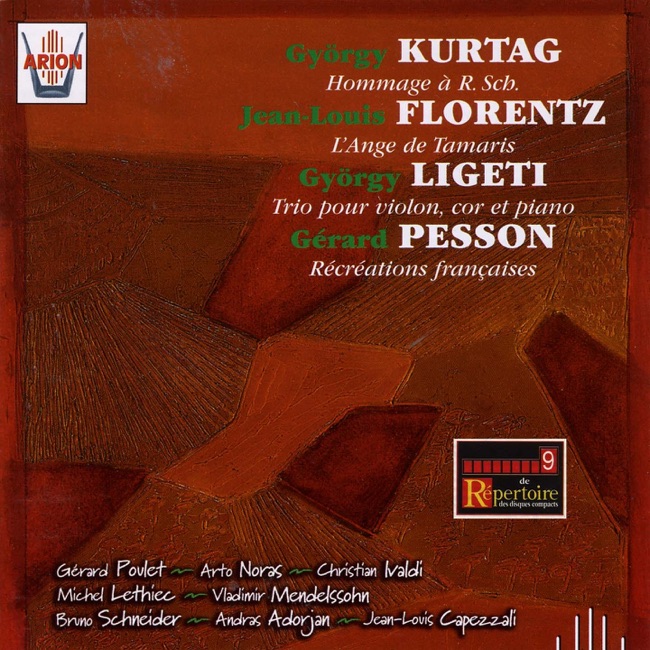 October 27, 2002
Keyboard
-
 November 11, 2014
 -
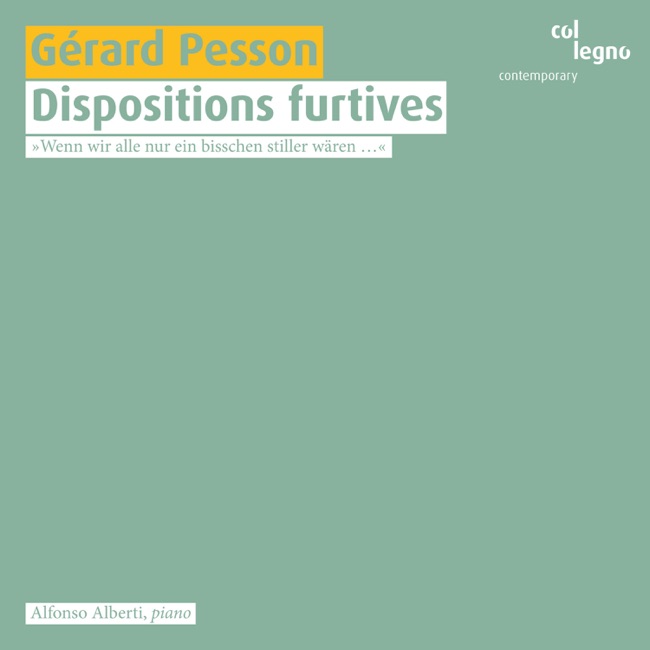 June 9, 2009
Orchestral
-
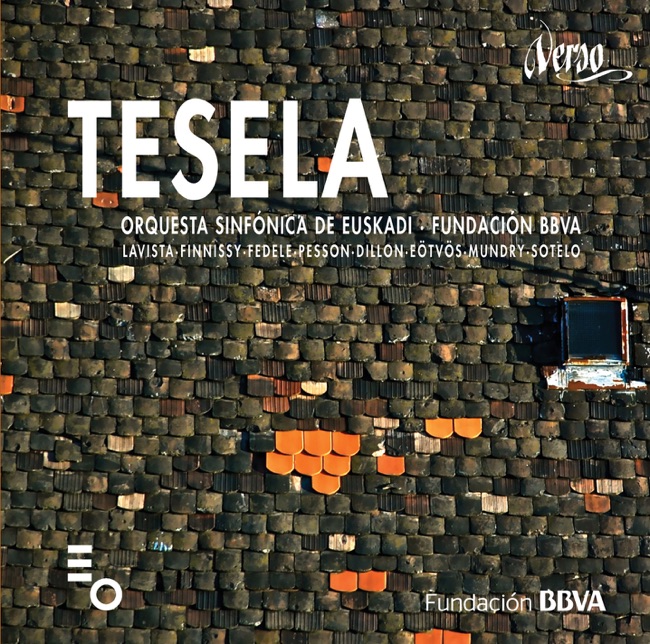 January 1, 2014
Concerto
Artist Info
Role:ComposerCountry: FranceBirth:January 17, 1958 in Torteron, FrancePeriod:ContemporaryGenre:ChamberKeyboardGerard Pesson is a French composer who was born on February 16, 1958, in Torteron, France. He grew up in a musical family, with his father being a music teacher and his mother a pianist. Pesson began playing the piano at a young age and later studied composition at the Conservatoire National Supérieur de Musique et de Danse de Paris. Pesson's early works were influenced by the music of Claude Debussy and Maurice Ravel, as well as the French spectralist movement. He also drew inspiration from literature, particularly the works of Samuel Beckett and James Joyce. Pesson's music is known for its intricate textures, delicate harmonies, and use of extended techniques. One of Pesson's early works, "Neuf pièces pour piano," was composed in 1984 and showcases his interest in spectralism. The piece features shimmering harmonies and delicate textures, with the piano often playing in the upper register. Pesson's use of extended techniques, such as playing inside the piano, adds to the ethereal quality of the music. In the 1990s, Pesson began incorporating elements of popular music into his compositions. His work "Wunderblock" (1998) features a mix of classical and pop styles, with references to the music of The Beatles and The Beach Boys. The piece also includes spoken word passages, adding a theatrical element to the music. Pesson's interest in literature is evident in his work "Les Ephémères" (2001), which is based on a short story by Marcel Schwob. The piece features a narrator reading the story while the music provides a backdrop. Pesson's use of sound effects, such as the sound of a typewriter, adds to the storytelling aspect of the piece. Another notable work by Pesson is "Cinq chansons pour voix et ensemble" (2004), which features settings of poems by James Joyce. The music is characterized by its delicate textures and use of extended techniques, such as flutter-tonguing in the winds and string harmonics. The vocal part is often fragmented, with the singer using a variety of vocal techniques to convey the meaning of the text. Pesson's interest in popular music is further explored in his work "Récitations" (2009), which features settings of texts by French singer-songwriter Georges Brassens. The music is characterized by its use of repetition and fragmentation, with the text often broken up into small fragments that are repeated and developed throughout the piece. In recent years, Pesson has continued to explore new musical territories. His work "Faits et dits du Géant Gargantua" (2014) is based on a text by François Rabelais and features a mix of spoken word and music. The piece includes a variety of musical styles, from Renaissance polyphony to contemporary pop music. Pesson's music has been performed by a variety of ensembles and orchestras, including the Ensemble Intercontemporain, the Orchestre Philharmonique de Radio France, and the London Sinfonietta. He has also been the recipient of numerous awards and honors, including the Grand Prix de la Musique Symphonique de la SACEM in 2016. In conclusion, Gerard Pesson is a French composer known for his intricate textures, delicate harmonies, and use of extended techniques. His music draws inspiration from a variety of sources, including literature and popular music. Pesson's works showcase his interest in exploring new musical territories and pushing the boundaries of contemporary classical music.More....
Recent Artist Music

3
2:9
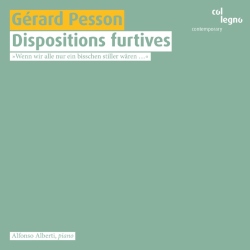
6
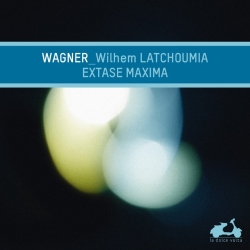
En haut du mât (after Wagner's "Tristan and Isolde")
En haut du mât (une chanson de marin) after Tristan und Isolde de Richard Wagner (Act 1, scene 1)
2:48
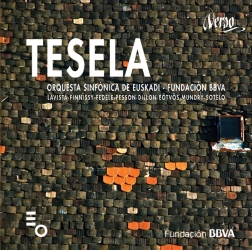
8
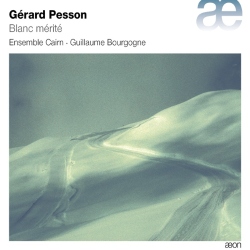
Deserved White (with Roman Opalka)
Blanc mérité (avec Roman Opalka) pour flûte, clarinette, saxophone ténor, trompette, accordéon, violon, alto violoncelle
20:14
9
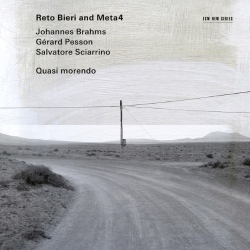
8:45
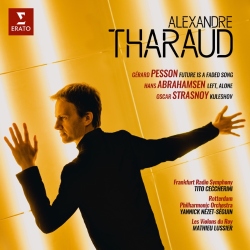
Copyright Ⓒ 2013 Davinci Finger. All rights reseved
Service Terms & Policy