


Adolfo Mejía
Released Album
Chamber
-
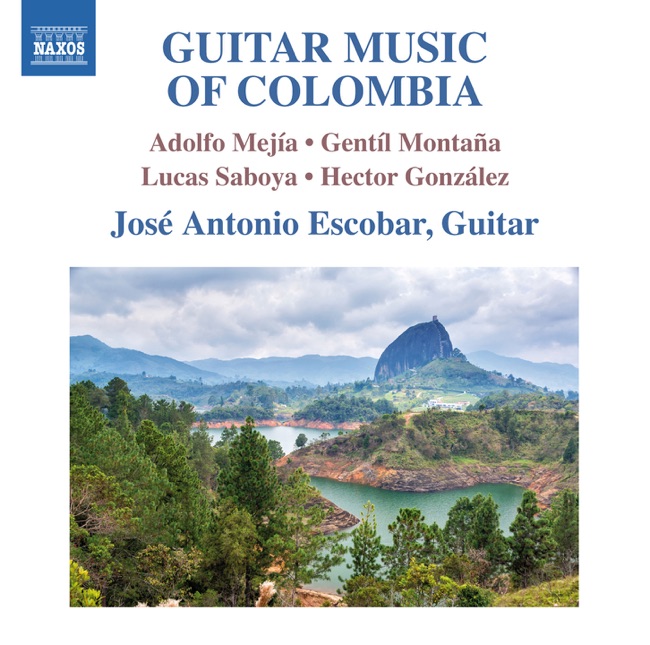 January 13, 2015
 -
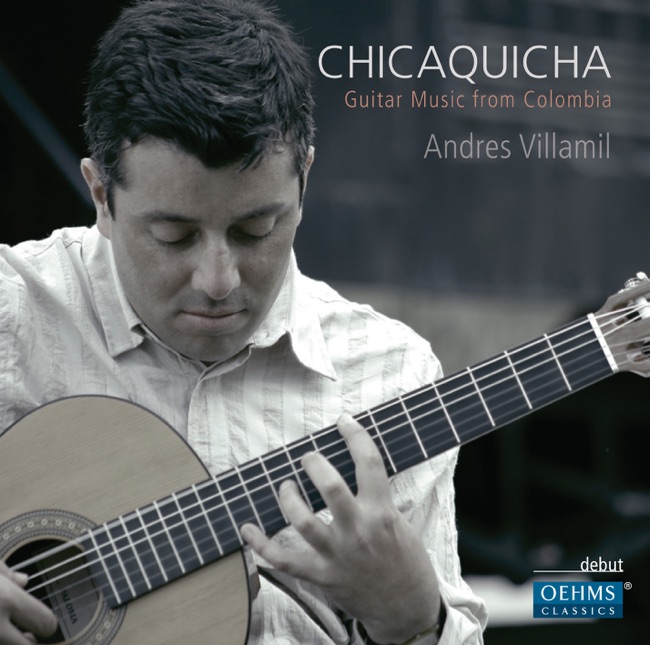 January 25, 2011
Artist Info
Role:ComposerBirth:1905Death:1973Adolfo Mejía Navarro was a Colombian composer and pianist who was born on August 1, 1905, in Cartagena, Colombia. He was the son of a prominent family in the city, and his father was a well-known physician. From a young age, Mejía showed a great interest in music, and he began taking piano lessons when he was just six years old. Mejía's musical talent was evident from an early age, and he quickly became known as a prodigy in his hometown. He gave his first public performance at the age of eight, and by the time he was a teenager, he was already composing his own music. In 1922, Mejía traveled to Europe to study music, and he spent several years studying in Paris, Rome, and Berlin. During his time in Europe, Mejía was exposed to a wide range of musical styles and traditions, and he began to develop his own unique voice as a composer. He was particularly influenced by the works of French composers such as Debussy and Ravel, as well as by the music of Spanish and Latin American composers. Mejía returned to Colombia in the late 1920s, and he quickly established himself as one of the country's leading composers and pianists. He became a professor of music at the National University of Colombia, and he also founded the Cartagena Symphony Orchestra. Mejía's music was characterized by its blend of European and Latin American influences, and he was particularly interested in incorporating elements of Colombian folk music into his compositions. He was also known for his use of unconventional harmonies and rhythms, which gave his music a distinctive sound. One of Mejía's most famous works is his Suite Colombiana No. 1, which was composed in 1932. The suite is a collection of four pieces that are based on traditional Colombian folk melodies. The first movement, "Bambuco," is a lively dance that features a syncopated rhythm and a catchy melody. The second movement, "Pasillo," is a slower, more lyrical piece that showcases Mejía's gift for melody. The third movement, "Bunde," is a rhythmic dance that features a call-and-response structure. The final movement, "Cumbia," is a lively dance that features a driving rhythm and a catchy melody. Another notable work by Mejía is his Piano Concerto No. 1, which was composed in 1943. The concerto is a virtuosic showcase for the piano, and it features a wide range of moods and textures. The first movement is a lively and rhythmic dance, while the second movement is a slow and lyrical ballad. The final movement is a fast and energetic romp that showcases the pianist's technical prowess. Mejía's music was widely acclaimed during his lifetime, and he received numerous awards and honors for his contributions to Colombian music. He was also a respected musicologist and scholar, and he wrote extensively about the history and traditions of Colombian music. Mejía continued to compose and perform music throughout his life, and he remained an important figure in Colombian music until his death in 1973. His legacy lives on through his music, which continues to be performed and celebrated by musicians and audiences around the world.More....
Recent Artist Music
Recommend Playlist


Copyright Ⓒ 2013 Davinci Finger. All rights reseved
Service Terms & Policy