


Charles-Alexis Chauvet
Released Album
Keyboard
-
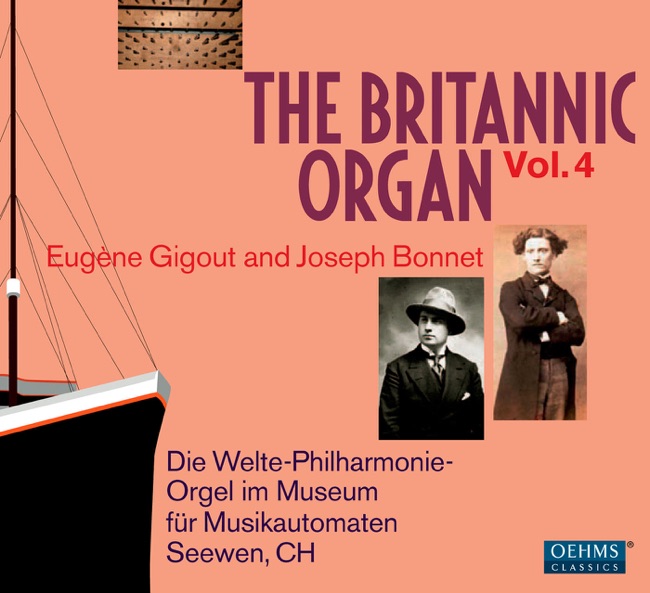 October 15, 2012
 -
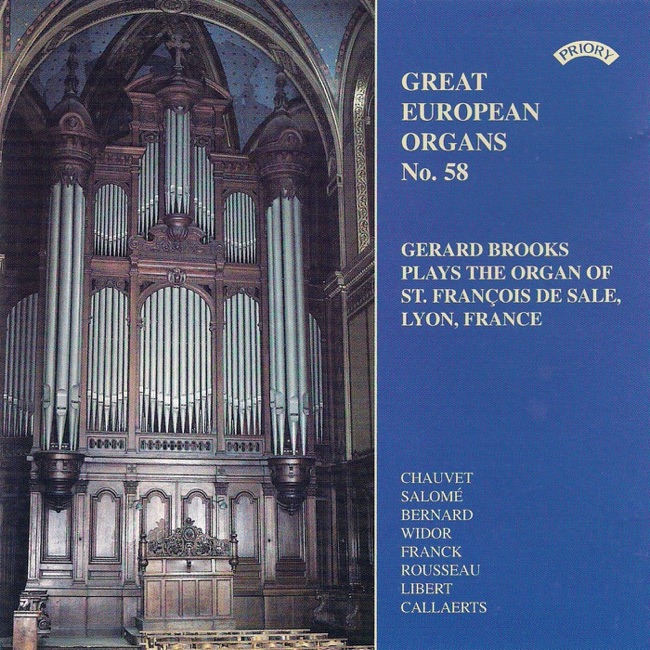 June 26, 2001
 -
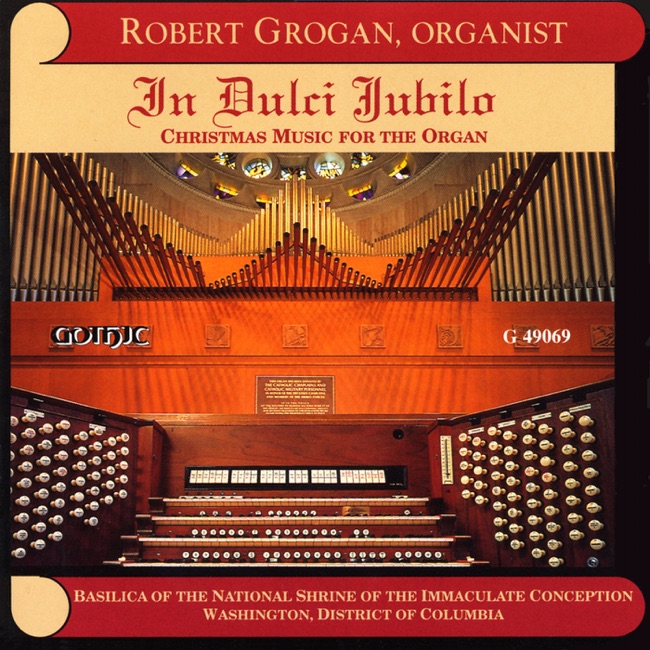 January 17, 1995
Artist Info
Role:ComposerBirth:June 7, 1837Death:January 29, 1871Period:RomanticGenre:KeyboardCharles-Alexis Chauvet was a French composer born on January 21, 1837, in the city of Lyon. He was the son of a music teacher, and his father's profession played a significant role in his early musical education. Chauvet began studying music at a young age, and by the time he was a teenager, he had already developed a strong interest in composition. Chauvet's early works were heavily influenced by the Romantic style of music that was popular in France during the mid-19th century. He was particularly drawn to the works of composers such as Hector Berlioz and Franz Liszt, and he sought to incorporate their innovative techniques into his own compositions. In 1856, Chauvet moved to Paris to further his musical education. He enrolled at the Paris Conservatory, where he studied under the tutelage of some of the most prominent composers of the time, including Jacques Fromental Halévy and Ambroise Thomas. During his time at the conservatory, Chauvet honed his skills as a composer and began to develop his own unique style. Chauvet's early compositions were well-received, and he quickly gained a reputation as a talented young composer. In 1861, he won the prestigious Prix de Rome, a scholarship that allowed him to study music in Italy for several years. While in Italy, Chauvet was exposed to a wide range of musical styles, including the works of Italian opera composers such as Giuseppe Verdi and Gioachino Rossini. Upon his return to France, Chauvet continued to compose music in a variety of genres, including opera, symphonies, and chamber music. One of his most notable works from this period was his opera La Fille de Roland, which premiered in Paris in 1875. The opera was based on the medieval French legend of Roland, and it was praised for its innovative use of orchestration and its powerful emotional impact. Throughout the 1880s and 1890s, Chauvet continued to compose music at a prolific pace. He wrote several more operas, including Le Roi d'Ys and La Reine de Saba, both of which were well-received by audiences and critics alike. He also composed a number of symphonies and chamber music pieces, many of which were performed by some of the most prominent orchestras and ensembles of the time. Chauvet's music was known for its emotional intensity and its innovative use of orchestration. He was particularly skilled at creating complex, multi-layered textures that combined a wide range of instruments and musical styles. His music was also notable for its use of chromaticism and dissonance, which gave it a distinctly modern feel. Despite his success as a composer, Chauvet was known for his modesty and his dedication to his craft. He was deeply committed to his work, and he spent countless hours refining his compositions and experimenting with new techniques. He was also known for his generosity and his willingness to help other composers and musicians. Chauvet died on December 19, 1871, at the age of 74. His legacy as a composer has endured, and his music continues to be performed and studied by musicians and music lovers around the world. His innovative use of orchestration and his emotional intensity have made him one of the most important composers of the Romantic era, and his influence can be heard in the works of many later composers.More....
Copyright Ⓒ 2013 Davinci Finger. All rights reseved
Service Terms & Policy