


William Marshall
Artist Info
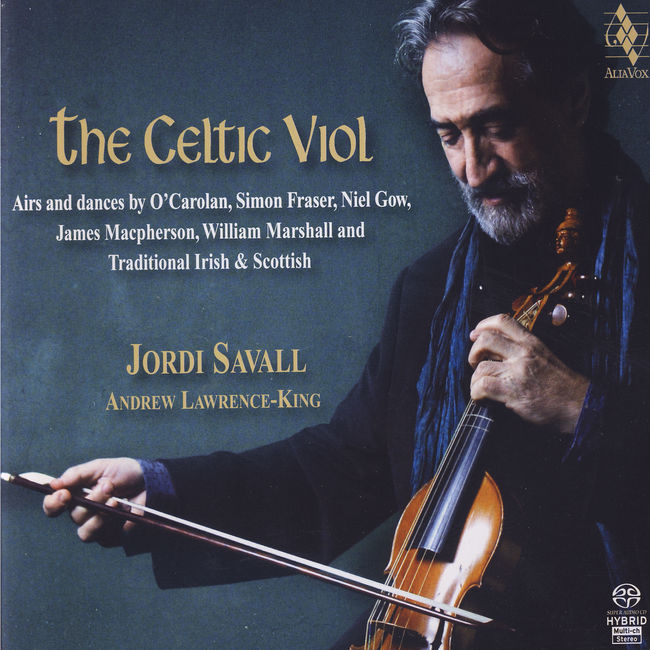
Role:Composer PerformerBirth:December 27, 1748Death:May 29, 1833Genre:KeyboardWilliam Marshall was a British composer and violinist who lived from 1748 to 1833. He was born in Fochabers, Scotland, and grew up in a musical family. His father, also named William Marshall, was a fiddler and composer, and his mother was a singer. Marshall began playing the violin at a young age and quickly showed a talent for music. Marshall's early musical education was informal, but he received some instruction from his father and other local musicians. He also learned by listening to other fiddlers and attending local dances and concerts. As a teenager, he began to perform professionally, playing at local events and in the homes of wealthy patrons. In 1769, Marshall moved to Edinburgh, where he became a member of the city's musical community. He played in orchestras and chamber ensembles, and he also composed music. His first published work was a collection of Scottish tunes for the violin, which was released in 1778. This was followed by several other collections of Scottish music, as well as some original compositions. Marshall's music was influenced by the traditional Scottish fiddle style, but he also incorporated elements of classical music into his compositions. He was particularly interested in the music of Italian composers such as Corelli and Tartini, and he studied their works in order to improve his own technique and style. One of Marshall's most famous compositions is the "Marquis of Huntly's Highland Fling," which he wrote in the late 18th century. This piece is still popular today and is often played at Scottish dances and festivals. Marshall also wrote several other popular Scottish tunes, including "Miss Admiral Gordon's Strathspey" and "The Duke of Gordon's Birthday." In addition to his compositions for the violin, Marshall also wrote music for other instruments, including the harp and the piano. He was particularly interested in the harp, which was a popular instrument in Scotland at the time. He wrote several pieces for the harp, including "The Marquis of Huntly's Farewell" and "The Duke of Perth's Strathspey." Marshall's music was well-received during his lifetime, and he was considered one of the leading composers of Scottish music. He was also known for his virtuosic violin playing, and he was often called upon to perform at important events and gatherings. He played for King George IV during the monarch's visit to Scotland in 1822, and he was also a favorite of the Duke of Wellington. Despite his success, Marshall remained humble and dedicated to his craft. He continued to compose and perform music throughout his life, and he was known for his generosity and kindness to other musicians. He died in Edinburgh in 1833, at the age of 85. Today, Marshall's music is still popular among Scottish musicians and enthusiasts. His compositions are often played at traditional Scottish events, and his influence can be heard in the work of many contemporary Scottish composers. Marshall's legacy as a composer and performer continues to inspire musicians around the world.More....
Recent Artist Music
Copyright Ⓒ 2013 Davinci Finger. All rights reseved
Service Terms & Policy