


Xavier Lefèvre
Released Album
Chamber
-
 June 23, 2023
 -
 June 16, 2023
 -
 September 16, 2022
 -
 September 1, 2014
 -
 September 24, 2013
 -
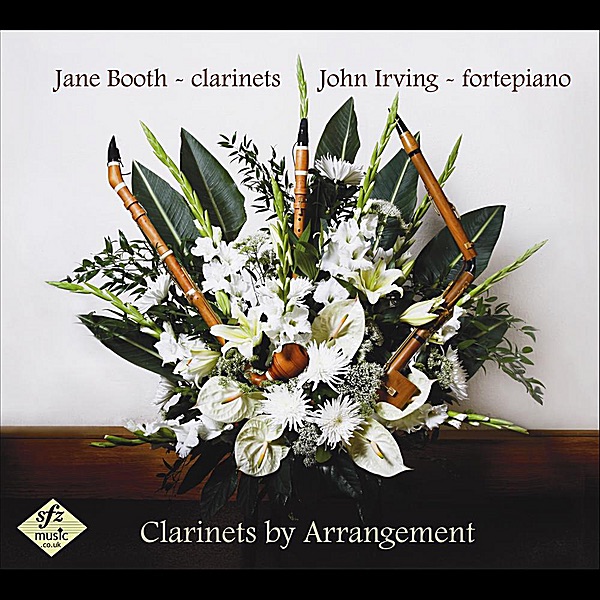 June 1, 2011
Concerto
-
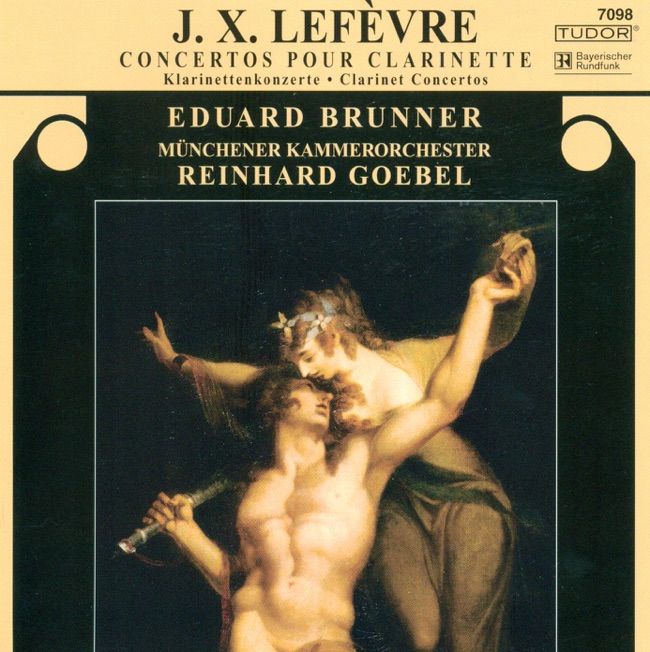 February 14, 2006
Artist Info
Role:ComposerCountry: FranceBirth:March 6, 1763 in Lausanne, SwitzerlandDeath:November 9, 1829 in Paris, FrancePeriod:ClassicalGenre:ChamberChoralXavier Lefèvre was a French classical music composer who lived from 1763 to 1829. He was born in Rouen, France, and showed an early interest in music. His father was a musician, and Xavier began studying the violin and piano at a young age. He later switched to the oboe, which would become his primary instrument. Lefèvre's musical education began in Rouen, where he studied with local musicians. He then moved to Paris to continue his studies, where he studied with some of the most prominent musicians of the time, including François Devienne and Pierre Gaviniès. Lefèvre quickly gained a reputation as a talented oboist, and he began performing in concerts throughout Paris. In addition to his performing career, Lefèvre also began composing music. His first published work was a set of six oboe sonatas, which were well-received by critics and musicians alike. Lefèvre continued to compose throughout his career, and his works were performed by some of the most prominent musicians of the time. One of Lefèvre's most famous works is his Oboe Concerto No. 1 in C Major. This piece is known for its virtuosic oboe solos and its lively, energetic melodies. The concerto was first performed in Paris in 1797, and it quickly became one of Lefèvre's most popular works. It has since been performed by countless oboists around the world. Another notable work by Lefèvre is his Oboe Sonata No. 3 in G Minor. This piece is known for its haunting melodies and its use of chromaticism. It was first published in 1802 and has since become a staple of the oboe repertoire. Lefèvre also composed a number of works for other instruments, including the flute, clarinet, and bassoon. His Flute Concerto No. 4 in D Major is particularly well-known for its lyrical melodies and its use of the flute's upper register. In addition to his work as a composer and performer, Lefèvre was also a respected music educator. He taught at the Paris Conservatory, where he trained a number of talented musicians. His students included some of the most prominent musicians of the time, including Louis Dorus, who would go on to become the principal oboist of the Paris Opera. Lefèvre's contributions to classical music were significant, and his works continue to be performed and studied today. His innovative use of chromaticism and his virtuosic oboe solos have influenced countless composers and performers over the years. Despite his many accomplishments, Lefèvre remained humble throughout his life, and he was known for his kindness and generosity towards his students and colleagues. Xavier Lefèvre died in Paris in 1829, but his legacy lives on through his music. His works continue to be performed and recorded by musicians around the world, and his contributions to the development of classical music are still celebrated today.More....
Recent Artist Music
3
12:30



Copyright Ⓒ 2013 Davinci Finger. All rights reseved
Service Terms & Policy