


Carolus Antonius Fodor
Released Album
Symphony
-
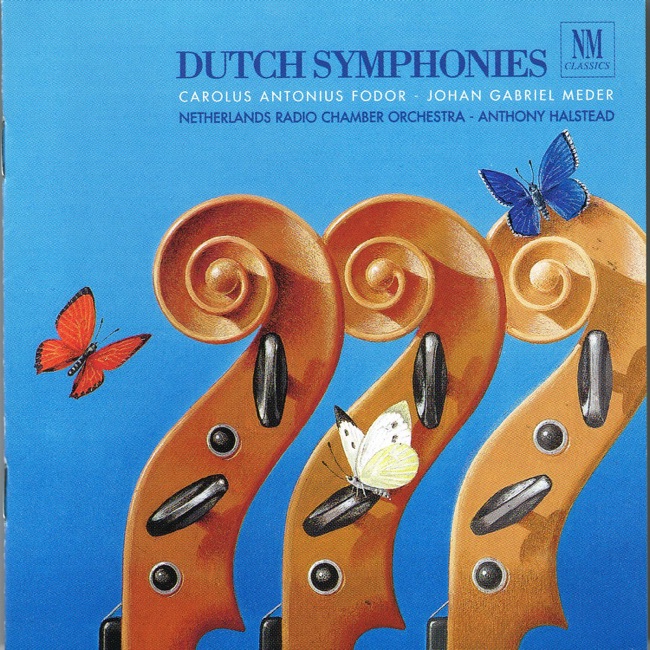 December 1, 1999
Keyboard
-
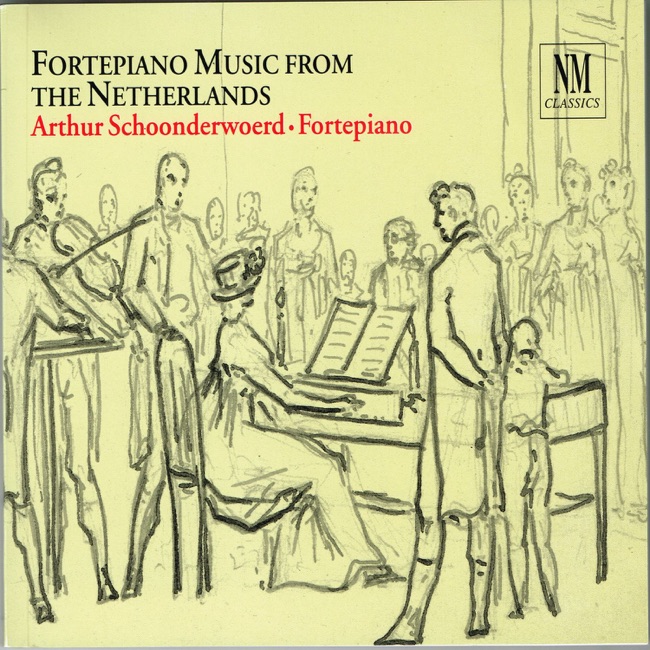 November 21, 2000
Concerto
-
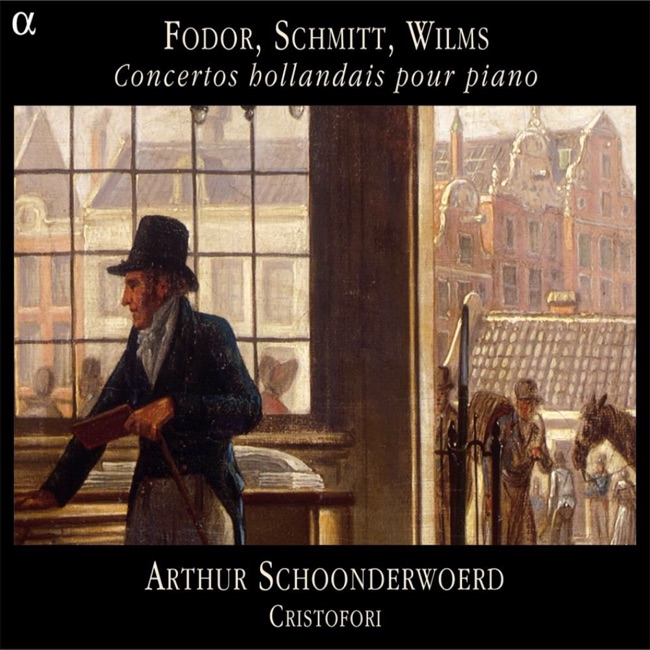 July 20, 2004
Artist Info
Role:ComposerCountry: NetherlandsBirth:April 12, 1768Death:February 22, 1846Period:ClassicalGenre:KeyboardSymphonyCarolus Antonius Fodor was a Dutch classical music composer who lived from 1768 to 1846. He was born in Amsterdam, the son of a successful merchant. Fodor showed an early interest in music and began studying the piano and violin at a young age. He also received a solid education in the humanities, which would later influence his compositions. Fodor's musical talent was recognized early on, and he was sent to study with the renowned composer Johann Schobert in Paris. Schobert was a major influence on Fodor's early compositions, which were characterized by their elegance and refinement. Fodor's first published works were a set of six piano sonatas, which were well-received by critics and helped establish his reputation as a composer. In 1790, Fodor returned to Amsterdam and began working as a music teacher and performer. He quickly became a prominent figure in the city's musical scene, and his compositions were regularly performed at concerts and other events. Fodor's music was known for its lyricism and emotional depth, and he was praised for his ability to blend classical forms with more modern harmonies and melodies. One of Fodor's most significant works is his Symphony No. 2 in G major, which was composed in 1792. The symphony is notable for its use of folk melodies and dance rhythms, which give it a distinctly Dutch flavor. The work was well-received by audiences and critics alike, and it helped establish Fodor as one of the leading composers of his time. Fodor continued to compose throughout his life, and his later works show a greater interest in the Romantic style that was emerging in the early 19th century. His Symphony No. 3 in C minor, composed in 1811, is a particularly notable example of this style. The work is characterized by its dramatic contrasts and emotional intensity, and it is considered one of Fodor's most accomplished compositions. In addition to his work as a composer, Fodor was also a respected music educator. He taught at the Amsterdam Conservatory, where he trained a generation of young musicians who would go on to become some of the leading figures in Dutch classical music. Fodor's teaching style was known for its rigor and attention to detail, and he was highly respected by his students. Fodor's legacy as a composer and educator continues to be felt in the Netherlands and beyond. His music is still performed and recorded today, and his influence can be seen in the work of many contemporary composers. Fodor's commitment to blending classical forms with modern harmonies and melodies helped pave the way for the Romantic movement, and his contributions to the development of Dutch classical music are widely recognized and celebrated.More....
Copyright Ⓒ 2013 Davinci Finger. All rights reseved
Service Terms & Policy