


Edward Cowie
Released Album
Chamber
-
 January 12, 2024
 -
 April 10, 2020
 -
 July 20, 2018
 -
 March 11, 2016
 -
 April 1, 2012
Keyboard
-
 June 14, 2010
 -
 August 13, 2008
Vocal
-
 August 1, 2005
Concerto
Artist Info
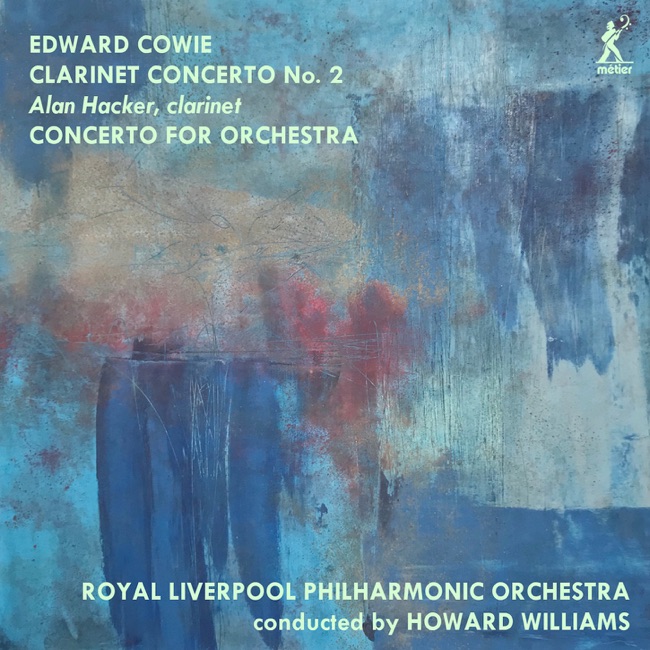
Role:ComposerBirth:August 17, 1943 in Birmingham, EnglandEdward Cowie is a British composer, born on May 17, 1943, in Birmingham, England. He grew up in a family of musicians, with his father being a professional violinist and his mother a pianist. Cowie started playing the piano at a young age and later learned to play the violin and the trumpet. He attended the Birmingham School of Music and later studied at the Royal Academy of Music in London. Cowie's early compositions were influenced by the avant-garde movement of the 1960s, and he was particularly interested in the use of electronic music. He was also influenced by the natural world, and his compositions often incorporate sounds from nature, such as bird calls and the sound of water. One of Cowie's early works, "Bird Concerto," was written in 1968 and features recordings of bird songs that Cowie made himself. The piece was performed at the Proms in 1972 and was well-received by critics. Cowie continued to explore the use of natural sounds in his compositions, and his work "Earth Music" (1972) features recordings of the sounds of the earth, such as earthquakes and volcanic eruptions. In the 1970s, Cowie began to incorporate more traditional musical elements into his compositions, such as melody and harmony. His work "Piano Concerto" (1974) is a good example of this, with its use of a traditional concerto form and its emphasis on melody and harmony. Cowie's compositions often have a strong visual element, and he has collaborated with visual artists on several occasions. One of his most famous collaborations was with the artist David Hockney on the opera "Love Counts" (1983). The opera features a set designed by Hockney and incorporates elements of his artwork into the production. Cowie has also written music for film and television, including the score for the BBC series "The Living Planet" (1984) and the film "The Company of Wolves" (1984). In the 1990s, Cowie's compositions became more complex and experimental. His work "Gesangbuch" (1992) features a choir singing in different languages, and the piece is designed to be performed in a circular space to create a surround-sound effect. Cowie's most recent works have continued to explore the use of natural sounds and the relationship between music and the natural world. His work "The Four Winds" (2012) is a suite of pieces inspired by the four winds of the compass, and each piece incorporates sounds from the natural world, such as the sound of wind and the calls of birds. Throughout his career, Cowie has been recognized for his contributions to classical music. He was awarded the Royal Philharmonic Society Award for Large-Scale Composition in 1972 for "Earth Music," and he was made a Fellow of the Royal Society of Arts in 1990. In 2015, he was awarded the British Composer Award for Inspiration. In addition to his work as a composer, Cowie has also been a teacher and a writer. He has taught at several universities, including the University of Sussex and the University of Huddersfield, and he has written several books on music and the natural world, including "The Nature of Music" (1986) and "Music and the Landscape" (2000). Edward Cowie's contributions to classical music have been significant, particularly in his exploration of the relationship between music and the natural world. His use of natural sounds and his collaborations with visual artists have made his work unique and innovative, and his influence on the avant-garde movement of the 1960s and 1970s is still felt today.More....
Recent Artist Music
7
22:14
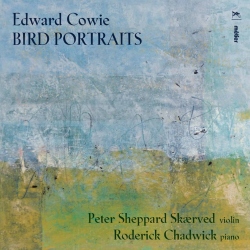
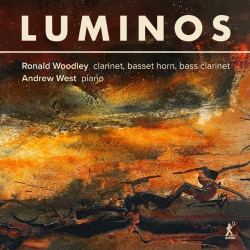
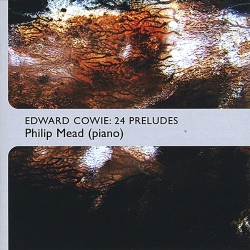
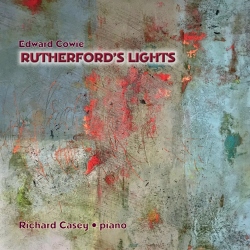
Copyright Ⓒ 2013 Davinci Finger. All rights reseved
Service Terms & Policy