


Violeta Parra
Released Album
Choral
-
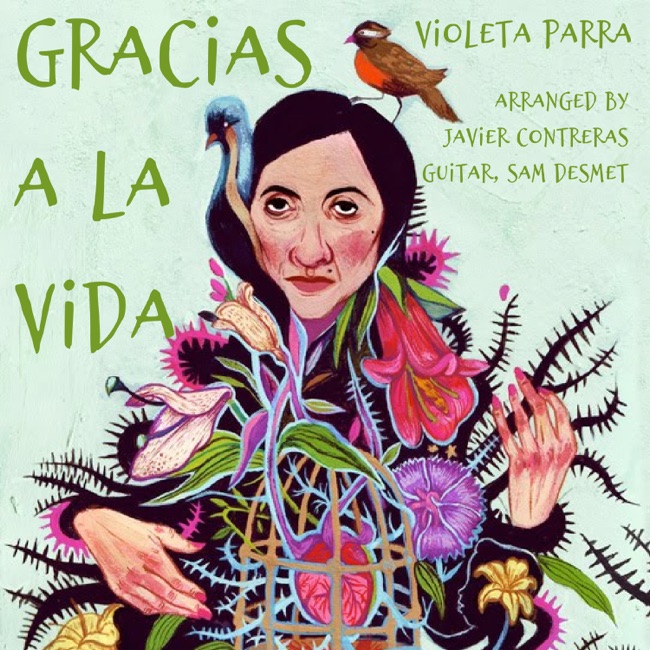 July 8, 2022
 -
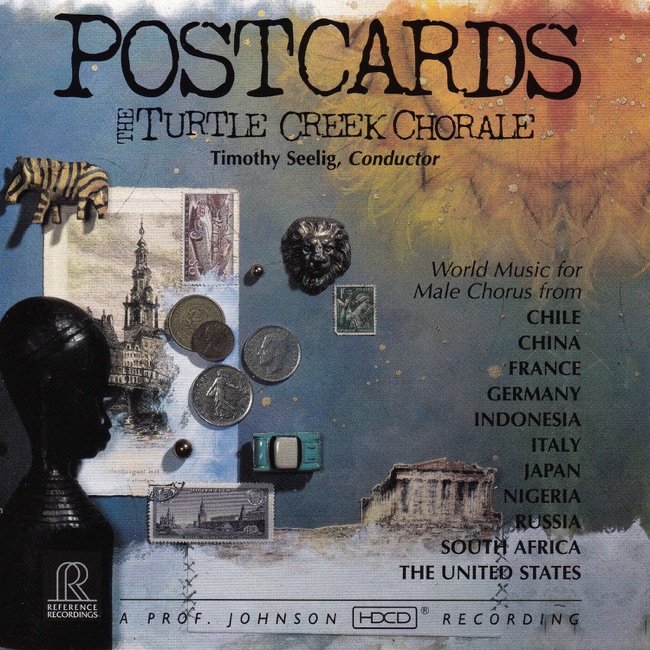 January 13, 1995
Chamber
-
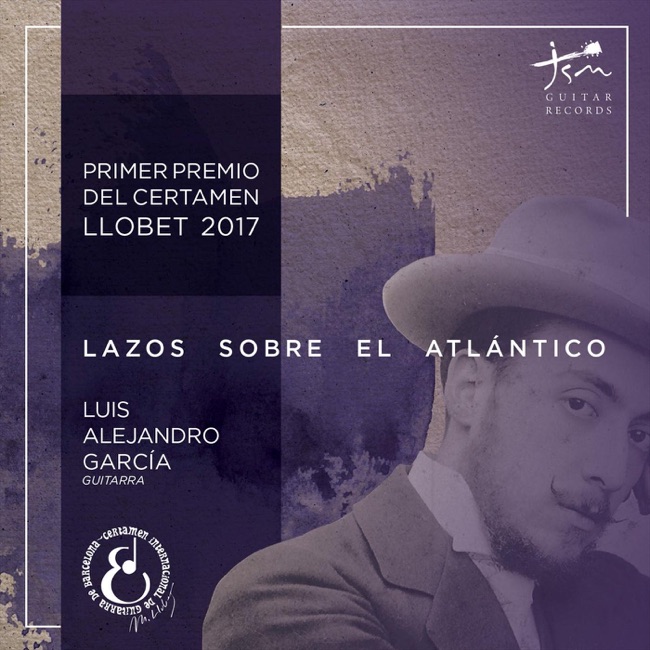 July 5, 2018
 -
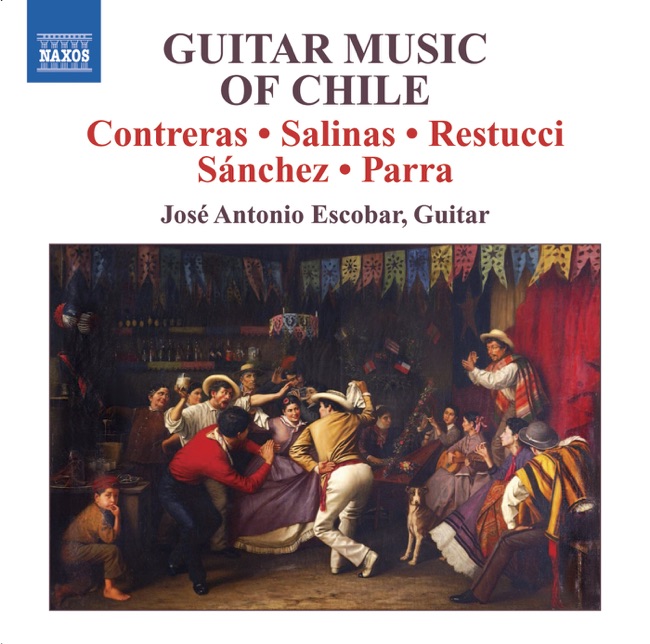 February 4, 2008
Artist Info
Role:ComposerCountry: ChileBirth:October 4, 1917 in San Carlos Chillan, ChileDeath:February 5, 1967Genre:ChoralVocalVioleta Parra was a Chilean composer, singer, and songwriter who is widely regarded as one of the most important figures in the history of Latin American music. Born on October 4, 1917, in San Carlos, Chile, Parra grew up in a family of musicians and artists. Her father was a music teacher, and her mother was a weaver and embroiderer. Parra's siblings, including her brother Nicanor Parra, also became prominent figures in the arts. Parra began her musical career as a teenager, performing with her siblings in a group called Los Parra de Chillán. In the 1940s, she moved to Santiago, where she became involved in the city's vibrant cultural scene. She performed in nightclubs and theaters, and she also began to write and compose her own songs. Parra's music was deeply rooted in the traditional folk music of Chile, which she had learned from her parents and grandparents. She was particularly interested in the music of the indigenous Mapuche people, and she incorporated elements of their music into her own compositions. Parra's music was also influenced by the social and political issues of her time. She was a passionate advocate for the rights of the poor and marginalized, and many of her songs dealt with themes of poverty, injustice, and inequality. In 1952, Parra founded the Peña de los Parra, a cultural center in Santiago that became a gathering place for artists, musicians, and intellectuals. The Peña de los Parra hosted concerts, poetry readings, and other cultural events, and it played an important role in the development of Chilean folk music. Parra's most famous song is "Gracias a la Vida" ("Thanks to Life"), which she wrote in 1966. The song has become an anthem of sorts in Latin America, and it has been covered by many other artists, including Mercedes Sosa, Joan Baez, and Plácido Domingo. "Gracias a la Vida" is a celebration of life and a tribute to the beauty of the natural world. It is also a reflection on mortality and the fleeting nature of human existence. Parra's other notable compositions include "Volver a los 17" ("To Be Seventeen Again"), "La Jardinera" ("The Gardener"), and "Run Run se fue pa'l Norte" ("Run Run Went North"). These songs, like much of Parra's music, are characterized by their simple melodies, poetic lyrics, and emotional depth. In addition to her work as a musician, Parra was also a visual artist and a writer. She created tapestries, paintings, and sculptures that were inspired by the folk art of Chile. She also wrote poetry and prose, including a memoir called "Cantos Folkloricos Chilenos" ("Chilean Folk Songs"). Parra's life was marked by both triumphs and tragedies. In 1954, she won first prize at the Festival de la Canción de Viña del Mar, one of the most prestigious music festivals in Latin America. However, she also experienced personal and professional setbacks. She struggled with depression and alcoholism, and she faced criticism from some quarters for her unconventional approach to music. In 1967, Parra committed suicide at the age of 49. Her death was a shock to the Chilean cultural community, and it was widely mourned throughout Latin America. In the years since her death, Parra's music and art have continued to inspire generations of artists and musicians. She is remembered as a pioneering figure in the development of Latin American folk music, and as a passionate advocate for social justice and human rights.More....
Recent Artist Music
5
4:12

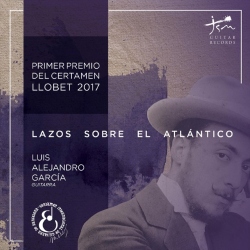
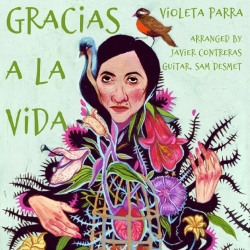
Recommend Playlist
Copyright Ⓒ 2013 Davinci Finger. All rights reseved
Service Terms & Policy