


Edmund Eysler
Released Album
Opera
-
 August 6, 2012
 -
 January 13, 2009
 -
-
 August 26, 2003
 -
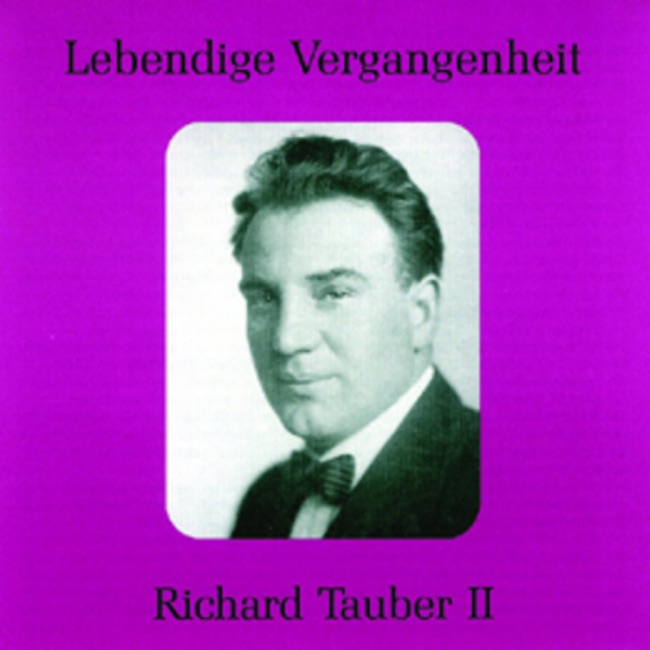 May 27, 2003
 -
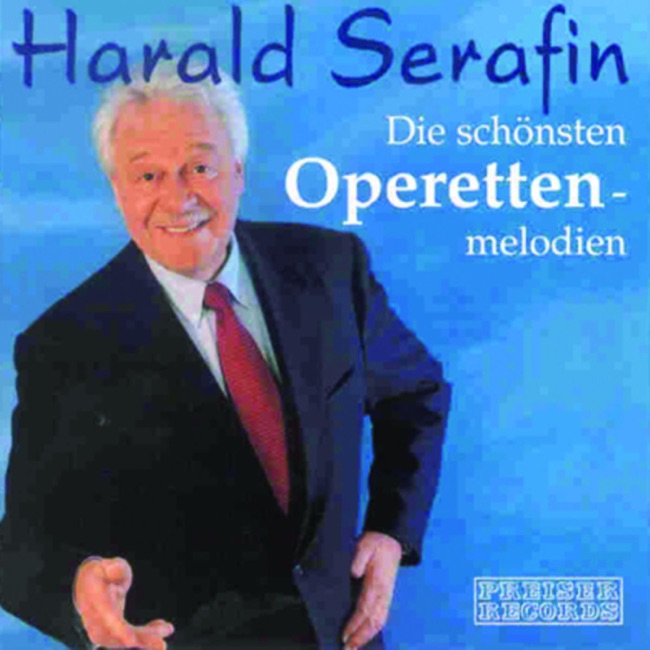 October 29, 2002
Artist Info
Role:ComposerBirth:March 12, 1874Death:October 4, 1949Period:ModernGenre:OperaEdmund Eysler was a prominent Austrian composer of operettas and classical music during the late 19th and early 20th centuries. Born on March 20, 1874, in Vienna, Austria, Eysler was the son of a Jewish merchant. He showed an early interest in music and began studying piano and composition at a young age. Eysler's musical education began at the Vienna Conservatory, where he studied under the tutelage of Robert Fuchs and Anton Bruckner. He later continued his studies with composer and conductor Gustav Mahler, who had a significant influence on Eysler's musical style. In 1896, Eysler made his debut as a composer with his operetta "Die Goldene Meisterin" (The Golden Mistress), which was well-received by audiences and critics alike. This success led to a string of commissions for operettas, including "Die Fledermaus" (The Bat) and "Der Zigeunerbaron" (The Gypsy Baron), both of which were collaborations with librettist Richard Genée. Eysler's music was known for its light and playful melodies, which were often accompanied by witty and humorous lyrics. His operettas were popular throughout Europe and were frequently performed in theaters and concert halls. In addition to his work as a composer, Eysler was also a conductor and pianist. He conducted several orchestras throughout Europe, including the Vienna Philharmonic and the Berlin State Opera. He also performed as a solo pianist, often playing his own compositions. Eysler's career was cut short by the outbreak of World War I, which forced him to flee Austria and seek refuge in Switzerland. He continued to compose during this time, but his output was limited due to the difficult circumstances of the war. After the war, Eysler returned to Vienna and resumed his career as a composer and conductor. He continued to write operettas and other works, including several ballets and orchestral pieces. However, his popularity began to wane in the 1920s, as audiences began to favor more modern and experimental forms of music. Despite this, Eysler remained a respected figure in the Viennese music scene and continued to compose until his death in 1949. His legacy lives on through his many operettas and other works, which continue to be performed and enjoyed by audiences around the world. Some of Eysler's most notable works include "Die Fledermaus," which is still performed regularly in theaters and opera houses around the world. Other popular operettas include "Der Zigeunerbaron," "Die Schützenliesel," and "Brüderlein fein." Eysler's music was also featured in several films, including the 1937 movie "The Great Waltz," which was based on the life of Johann Strauss II. The film featured several of Eysler's compositions, including "Ich bin verliebt" and "Ich bin nur ein armer Wandergesell." In addition to his work as a composer, Eysler was also a respected music critic and scholar. He wrote several books on music theory and history, including "Die Operette" and "Die Wiener Operette." Eysler's contributions to the world of classical music have been recognized with several awards and honors. In 1934, he was awarded the Golden Medal of the City of Vienna for his contributions to the arts. He was also made an honorary member of the Vienna Philharmonic in 1947. Today, Eysler's music continues to be performed and enjoyed by audiences around the world.More....
Recent Artist Music
Copyright Ⓒ 2013 Davinci Finger. All rights reseved
Service Terms & Policy