


Conrad Baden
Artist Info
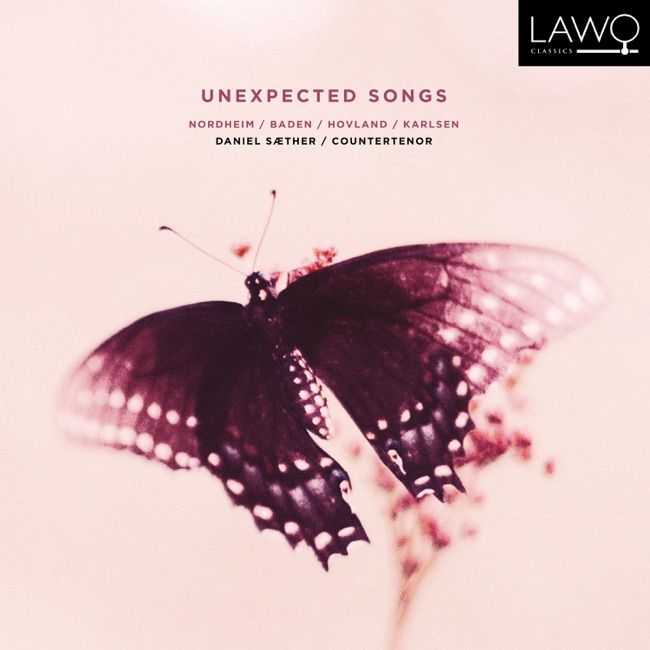
Role:ComposerConrad Baden was a classical music composer born on August 17, 1908, in Zurich, Switzerland. He was the son of a prominent Swiss architect, and his mother was a talented pianist. From a young age, Baden showed a keen interest in music, and his parents encouraged him to pursue his passion. Baden began his formal music education at the Zurich Conservatory, where he studied composition with Volkmar Andreae and piano with Walter Frey. He later continued his studies in Vienna with Joseph Marx and in Paris with Nadia Boulanger. During this time, Baden was exposed to a wide range of musical styles and techniques, which would later influence his own compositions. In 1933, Baden returned to Zurich and began working as a freelance composer. He quickly gained a reputation for his innovative and experimental approach to music, which often incorporated elements of jazz and folk music. His early works, such as the Piano Sonata No. 1 and the String Quartet No. 1, were well-received by critics and audiences alike. In 1938, Baden was appointed as the conductor of the Zurich Chamber Orchestra, a position he held for over a decade. During this time, he continued to compose and conduct his own works, as well as those of other composers. He also collaborated with several prominent musicians, including the pianist Clara Haskil and the violinist Yehudi Menuhin. One of Baden's most significant works is his Symphony No. 1, which he composed in 1942. The symphony is a powerful and emotional work that reflects the turmoil of the Second World War. It features a complex and intricate orchestration, with a wide range of musical textures and colors. The symphony was premiered in Zurich in 1943 and was met with critical acclaim. Baden's music continued to evolve throughout the 1950s and 1960s, as he experimented with new techniques and styles. He became increasingly interested in electronic music and began incorporating electronic sounds into his compositions. His works from this period, such as the String Quartet No. 4 and the Piano Concerto No. 2, are characterized by their bold and innovative use of sound. In addition to his work as a composer, Baden was also a respected music educator. He taught composition at the Zurich Conservatory and was a mentor to several young composers, including the Swiss composer Klaus Huber. He also served as a judge for several international music competitions, including the Geneva International Music Competition and the Tchaikovsky Competition in Moscow. Baden's contributions to the world of classical music were recognized with several awards and honors. In 1968, he was awarded the Prix de la Ville de Paris for his contributions to contemporary music. He was also a member of the Swiss Academy of Arts and Sciences and was awarded the title of Honorary Citizen of Zurich in 1978. Conrad Baden passed away on December 10, 1989, in Zurich, Switzerland. He left behind a rich legacy of innovative and groundbreaking music, which continues to inspire and influence composers today. His works are characterized by their bold and experimental approach to sound, as well as their emotional depth and complexity. Conrad Baden will always be remembered as one of the most important and influential composers of the 20th century.More....
Recent Artist Music
Copyright Ⓒ 2013 Davinci Finger. All rights reseved
Service Terms & Policy