


Giovanni Mossi
Released Album
Chamber
-
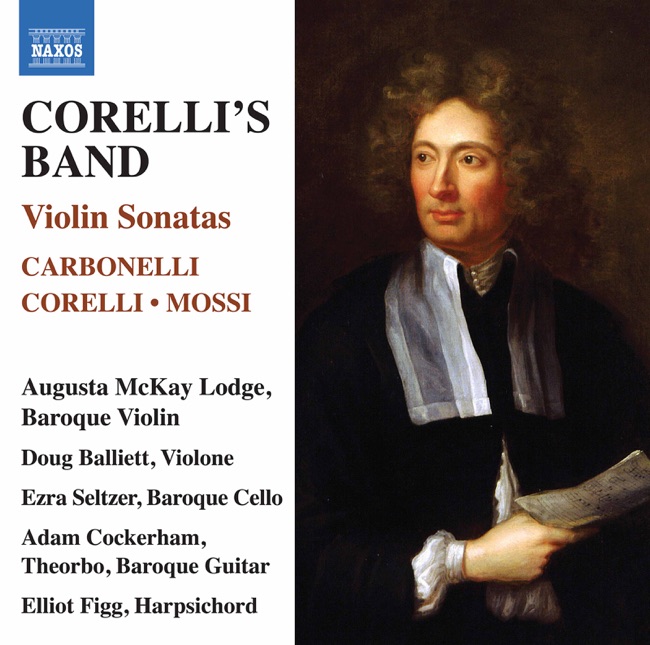 October 9, 2020
 -
 February 12, 2016
 -
 June 7, 2013
 -
 February 8, 2011
 -
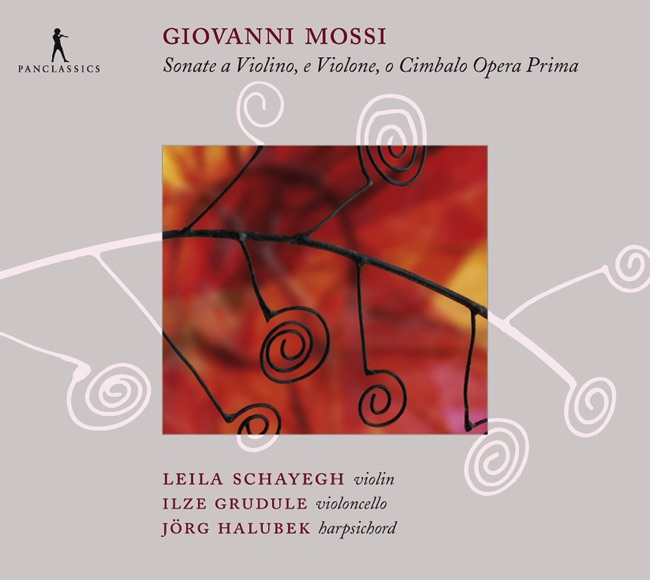
Orchestral
-
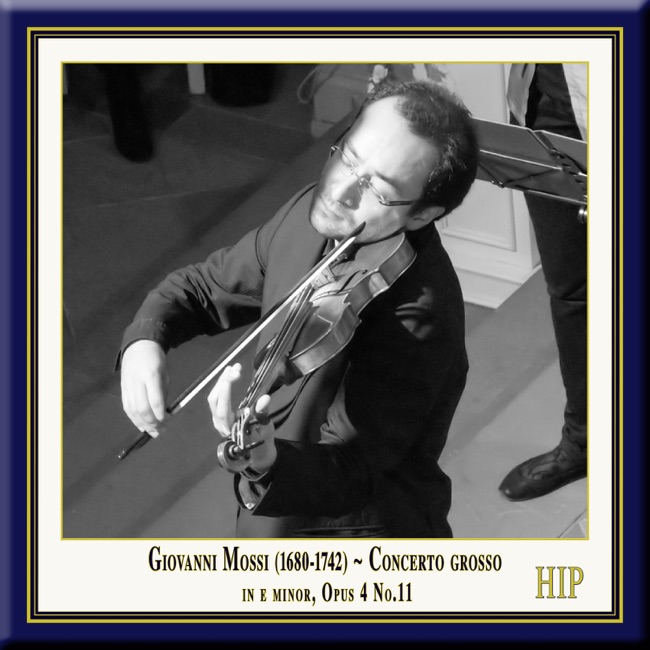 October 29, 2013
Concerto
-
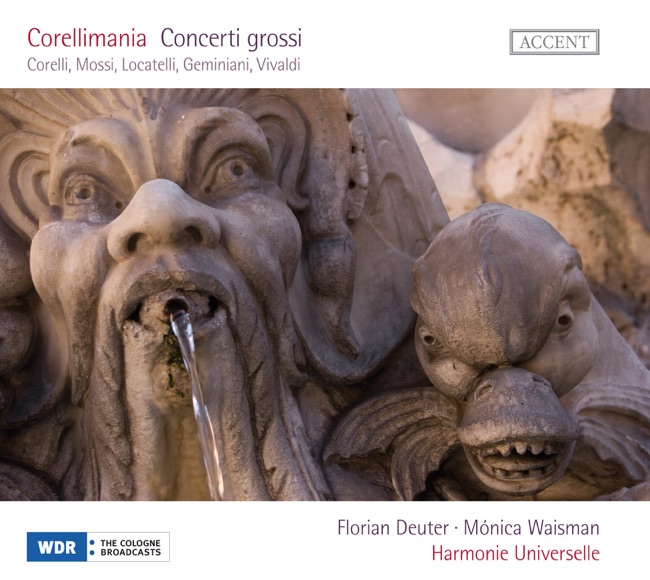 April 8, 2013
 -
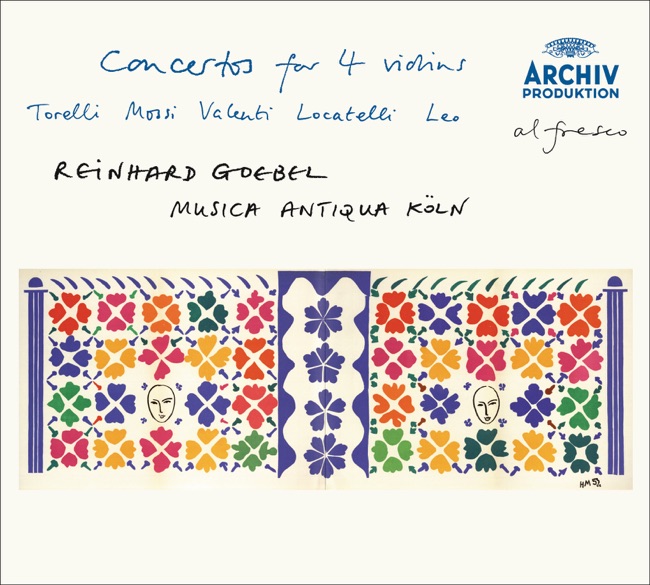 October 9, 2007
Artist Info
Role:ComposerCountry: ItalyBirth:ca. 1680Death:1742Period:BaroqueGiovanni Mossi was a prominent Italian composer of the Baroque era, known for his contributions to the development of instrumental music. Born in Modena, Italy in 1680, Mossi showed an early interest in music and began his studies at a young age. He was fortunate to have been born into a family of musicians, which allowed him to receive a thorough musical education. Mossi's early musical training was under the tutelage of his father, who was a violinist and composer. He quickly showed a natural talent for music and began to develop his skills as a violinist. By the age of 16, Mossi had already composed several works for the violin, which were well-received by his peers. In 1700, Mossi moved to Venice, which was then the center of the musical world. There, he studied with some of the most prominent composers of the time, including Antonio Vivaldi and Tomaso Albinoni. Mossi's time in Venice was a period of great growth and development for him as a composer. He was exposed to new musical styles and techniques, which he incorporated into his own compositions. Mossi's early works were primarily for the violin, but he soon began to compose for other instruments as well. His compositions were characterized by their virtuosity and technical difficulty, which made them popular with performers and audiences alike. Mossi's music was also notable for its expressive qualities, which were achieved through the use of dynamic contrasts and intricate ornamentation. One of Mossi's most famous works is his Concerto Grosso in D major, which was composed in 1710. This work is a prime example of the concerto grosso form, which was popular during the Baroque era. The concerto grosso features a small group of soloists (known as the concertino) who play in contrast to the larger ensemble (known as the ripieno). Mossi's Concerto Grosso in D major is a masterful example of this form, with its intricate interplay between the soloists and the ensemble. Another notable work by Mossi is his Sonata in G minor for violin and continuo. This work is a prime example of the sonata form, which was also popular during the Baroque era. The sonata features a solo instrument (in this case, the violin) accompanied by a continuo (usually a harpsichord or organ). Mossi's Sonata in G minor is a beautiful and expressive work, with its haunting melodies and intricate ornamentation. Mossi's music was highly regarded during his lifetime, and he was considered one of the leading composers of his time. His works were performed throughout Europe, and he was highly sought after as a composer and performer. Mossi's influence can be seen in the works of many later composers, including Johann Sebastian Bach and George Frideric Handel. Despite his success as a composer, Mossi's life was not without its challenges. He struggled with financial difficulties throughout his career, and he was forced to take on a number of odd jobs to make ends meet. Mossi also suffered from poor health, which limited his ability to perform and compose. Despite these challenges, Mossi continued to compose throughout his life, producing a large body of work that is still admired today. His music is characterized by its technical virtuosity, expressive qualities, and intricate ornamentation. Mossi's contributions to the development of instrumental music during the Baroque era have earned him a place among the great composers of his time.More....
Recent Artist Music
1
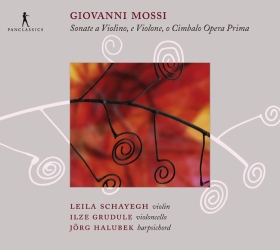
2:43
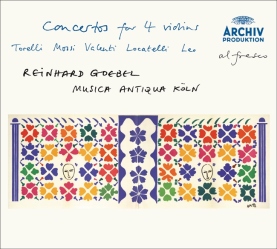
3
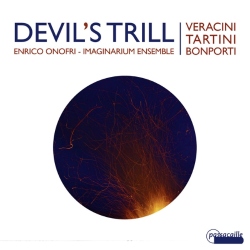
1:54
4
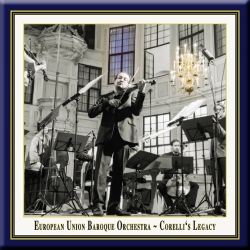
2:48
7

2:51
8
3:19
9
2:49




Copyright Ⓒ 2013 Davinci Finger. All rights reseved
Service Terms & Policy