


Martti Turunen
Released Album
Vocal
-
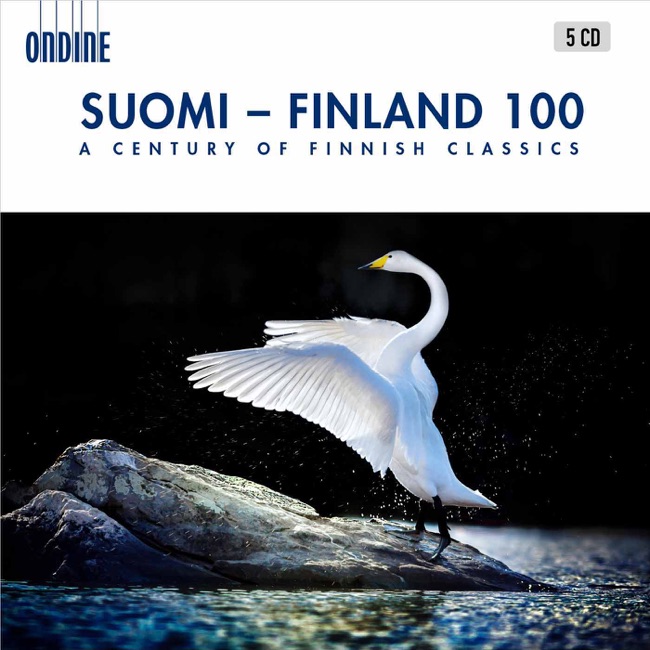 November 11, 2016
 -
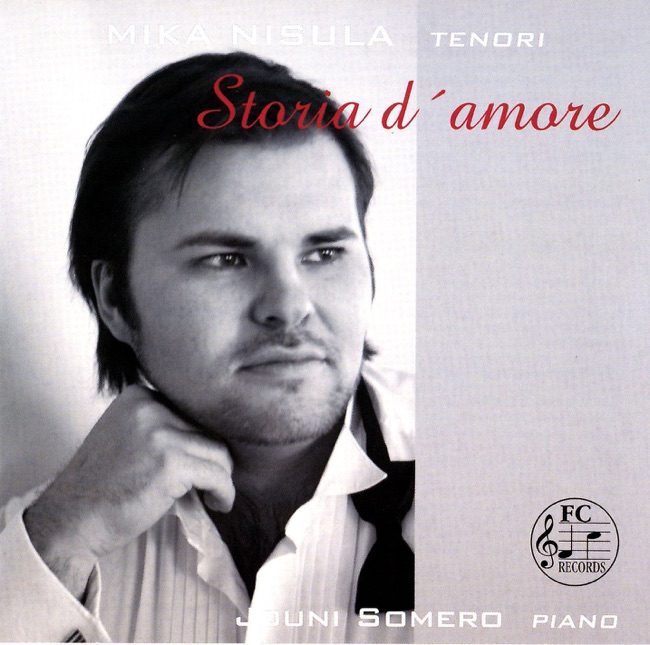 February 3, 2015
 -
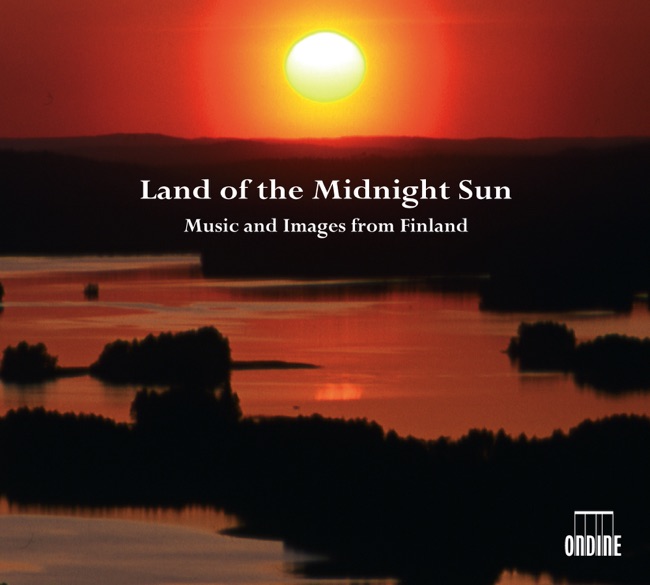 January 1, 2006
 -
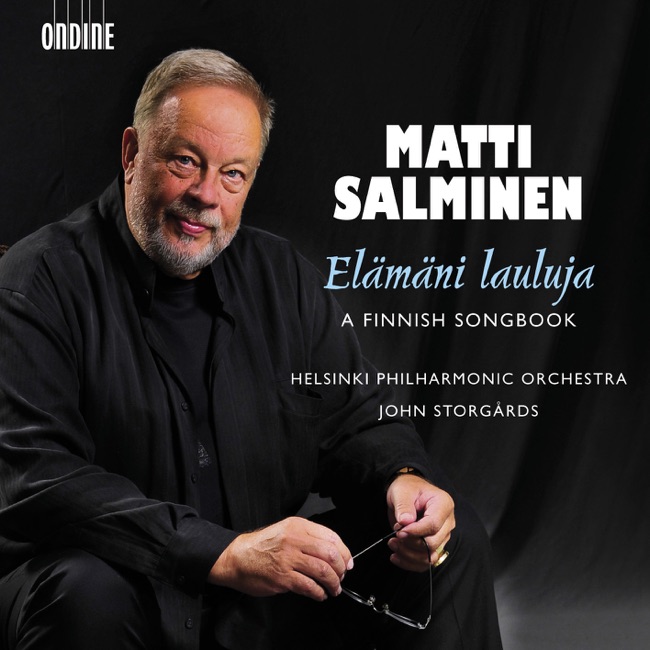 October 7, 2004
 -
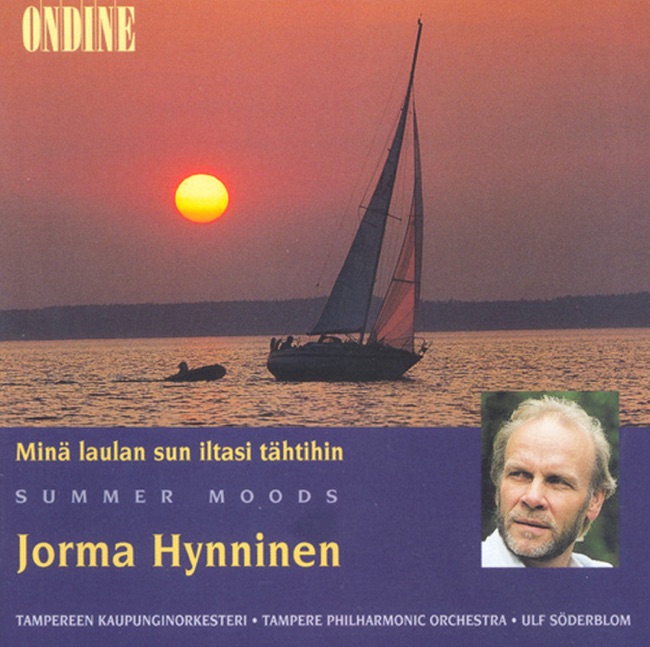 July, 1997
Artist Info
Role:ComposerBirth:1902Death:1979Martti Turunen was a Finnish composer born on January 22, 1902, in the city of Helsinki. He was the youngest of four siblings, and his parents were both musicians. His father, Juho Turunen, was a violinist and conductor, while his mother, Maria Turunen, was a pianist and music teacher. Martti's parents recognized his musical talent at an early age and encouraged him to pursue a career in music. Martti began his musical education at the Helsinki Music Institute, where he studied piano, violin, and music theory. He later continued his studies at the Sibelius Academy, where he studied composition under the tutelage of Aarre Merikanto. Merikanto was a prominent Finnish composer and a leading figure in the Finnish music scene at the time. Under his guidance, Martti developed his unique style, which was characterized by a blend of traditional Finnish folk music and modernist techniques. Martti's early works were heavily influenced by the Finnish national romanticism movement, which sought to promote Finnish culture and identity through music. His first major work, the "Kalevala Suite," was based on the Finnish national epic, the Kalevala. The suite was well-received by audiences and critics alike and established Martti as a rising star in the Finnish music scene. In the 1930s, Martti began to experiment with more modernist techniques, such as atonality and serialism. His works from this period, such as the "String Quartet No. 1" and the "Piano Sonata No. 2," were more complex and challenging than his earlier works. However, they still retained the distinctive Finnish character that was a hallmark of Martti's music. During World War II, Martti served in the Finnish army as a musician. He composed several works during this time, including the "Suite for Military Band," which was performed by the Finnish army band. After the war, Martti continued to compose and teach at the Sibelius Academy. He also served as the conductor of the Helsinki Philharmonic Orchestra from 1957 to 1962. Martti's later works were more introspective and reflective than his earlier works. They often explored themes of mortality and the human condition. His "Symphony No. 3," which was composed in 1960, is considered one of his most significant works. The symphony is a deeply personal work that reflects Martti's own struggles with illness and mortality. Martti Turunen died on December 22, 1979, in Helsinki. He left behind a legacy of over 100 works, including orchestral works, chamber music, and vocal music. His music continues to be performed and recorded by orchestras and ensembles around the world. In conclusion, Martti Turunen was a Finnish composer who made significant contributions to the Finnish music scene. His music was characterized by a blend of traditional Finnish folk music and modernist techniques. His works were well-received by audiences and critics alike and continue to be performed and recorded today. Martti's legacy as a composer and teacher continues to inspire new generations of musicians in Finland and beyond.More....
Recent Artist Music
Copyright Ⓒ 2013 Davinci Finger. All rights reseved
Service Terms & Policy