


James (Jacques) Paisible
Released Album
Chamber
-
 February 22, 2011
 -
 October 10, 2006
 -
 November 14, 2000
 -
 February 9, 1996
Miscellaneous
-
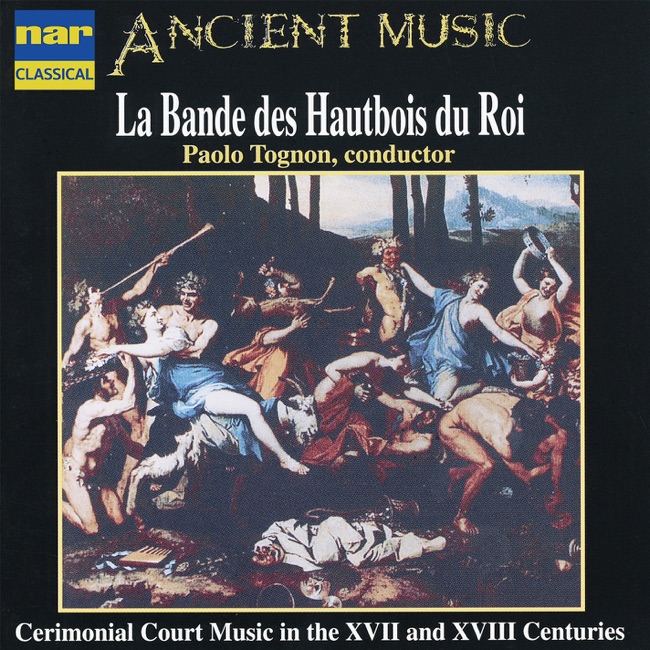 January 1, 1997
Orchestral
-
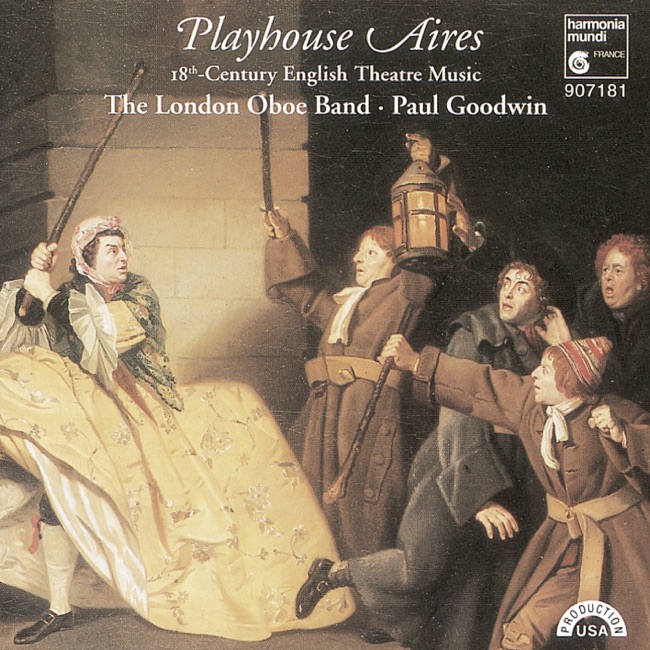 April 10, 1997
Artist Info
Role:ComposerBirth:ca. 1656Death:August 17, 1721Period:BaroqueGenre:ChamberOrchestralJames (Jacques) Paisible was a French Baroque composer and musician who lived from 1656 to 1721. He was born in France, but spent most of his career in England, where he became a prominent member of the royal court and a respected composer of instrumental music. Paisible was born into a family of musicians, and began his musical education at a young age. He studied the flute and other wind instruments, and quickly developed a reputation as a skilled performer. In the late 1670s, he moved to England, where he joined the court of King Charles II as a musician. During his time at court, Paisible became known for his virtuosic performances on the flute and other wind instruments. He also began to compose music, and quickly gained a reputation as a talented composer of instrumental music. His works were often performed at court, and he became a favorite of King Charles II and his successor, King James II. Paisible's music was characterized by its lively rhythms, intricate melodies, and virtuosic flourishes. He was particularly skilled at writing for wind instruments, and his works often featured complex interplay between different wind instruments. He also wrote music for strings and keyboard instruments, but it was his wind music that was most highly regarded. One of Paisible's most famous works is his suite of dances for wind instruments, which was published in 1695. The suite consists of six movements, each of which is based on a different dance form. The first movement is a lively allemande, followed by a stately courante, a graceful sarabande, a lively bourrée, a playful minuet, and a lively gigue. The suite is notable for its intricate counterpoint and virtuosic writing for wind instruments. Another of Paisible's famous works is his Sonata in D major for flute and continuo, which was published in 1700. The sonata consists of four movements, each of which showcases the flute's virtuosic capabilities. The first movement is a lively allegro, followed by a graceful adagio, a playful allegro, and a lively gigue. The sonata is notable for its intricate ornamentation and virtuosic flourishes. Paisible also wrote music for the theater, including several operas and masques. His most famous theatrical work is his opera The Generous Enemies, which was first performed in 1694. The opera is a comic work, and features lively music and witty lyrics. It was well-received by audiences and critics, and helped to establish Paisible's reputation as a composer of theatrical music. Despite his success as a composer and performer, Paisible's life was not without its difficulties. He was a Catholic in a predominantly Protestant country, and faced discrimination and persecution as a result. He was also involved in a scandal in the early 1700s, when he was accused of having an affair with a married woman. The scandal damaged his reputation, and he was forced to leave the royal court. Despite these setbacks, Paisible continued to compose and perform music throughout his life. He died in 1721, leaving behind a legacy of lively, virtuosic music that continues to be admired and performed today. His works for wind instruments in particular remain popular among performers and audiences alike, and are considered some of the finest examples of Baroque wind music.More....
Recent Artist Music
2
2:20
3
3:56
5
2:29
6
59
8

4:34
9
1:11
10
6:26
Copyright Ⓒ 2013 Davinci Finger. All rights reseved
Service Terms & Policy