


Grete Merrem-Nikisch
Released Album
Opera
-
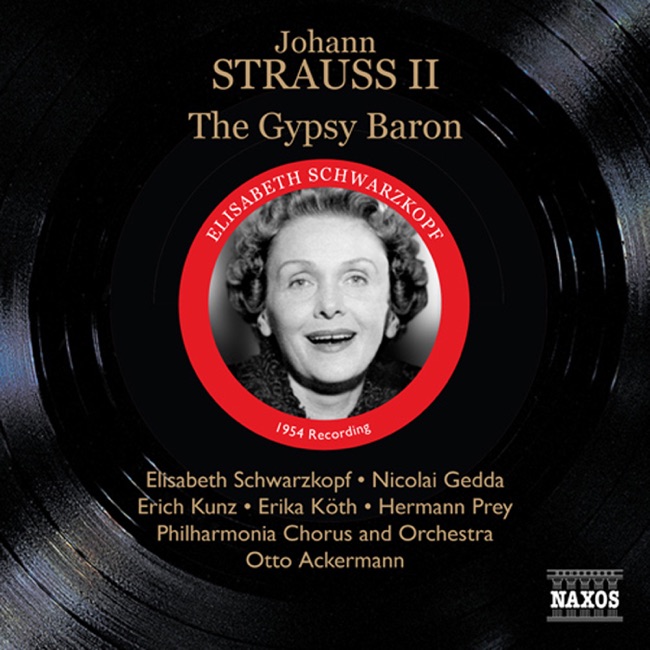 March 31, 2009
 -
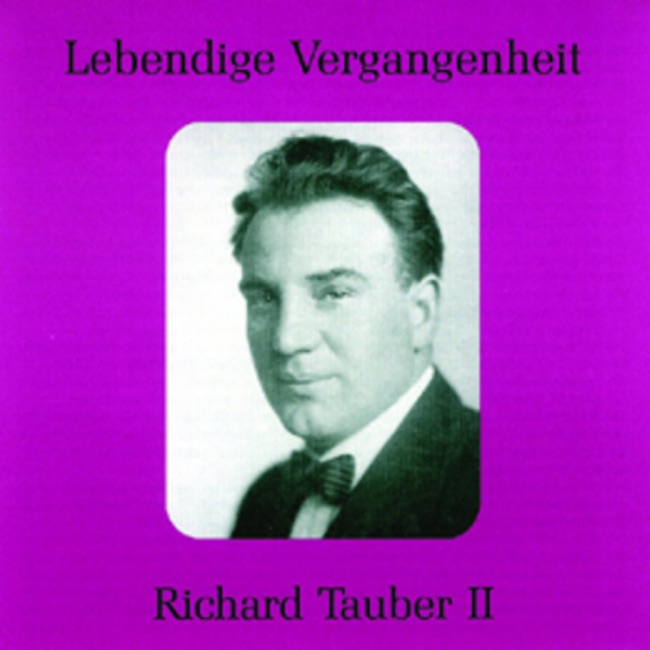 May 27, 2003
 -
 October 15, 1996
Artist Info
Period:RomanticGenre:OperaGrete Merrem-Nikisch was a renowned classical music artist who made a significant contribution to the world of music during her lifetime. Born on August 23, 1887, in Berlin, Germany, she was the daughter of the famous conductor Arthur Nikisch and his wife Amalie Nikisch. Her father was a prominent figure in the world of classical music, and his influence played a significant role in shaping Grete's musical career. Grete showed an early interest in music and began her training at a young age. She received her first piano lessons from her mother and later studied with renowned pianists such as Ferruccio Busoni and Emil von Sauer. She also received vocal training from the famous soprano Lilli Lehmann. In 1906, at the age of 19, Grete made her debut as a pianist in Berlin, performing Beethoven's Piano Concerto No. 4 with the Berlin Philharmonic Orchestra under the baton of her father. The performance was a huge success, and Grete received critical acclaim for her virtuosity and musicality. Over the next few years, Grete continued to perform as a pianist, both as a soloist and as a chamber musician. She also began to develop her skills as a conductor, studying with her father and other prominent conductors of the time. In 1912, she made her debut as a conductor, leading the Berlin Philharmonic Orchestra in a performance of Mozart's Symphony No. 40. Grete's career as a conductor took off quickly, and she soon became known for her dynamic and expressive interpretations of classical music. She conducted many of the leading orchestras of the time, including the Berlin Philharmonic, the Vienna Philharmonic, and the London Symphony Orchestra. She also conducted many operas, including productions of Mozart's Don Giovanni and The Marriage of Figaro, and Wagner's Tristan und Isolde. One of the highlights of Grete's career was her performance of Beethoven's Ninth Symphony in 1924. She conducted the Berlin Philharmonic Orchestra and a chorus of over 1,000 singers in a performance that was broadcast live on the radio. The performance was a huge success, and Grete received widespread praise for her interpretation of the work. In addition to her work as a conductor, Grete was also a composer. She wrote several works for orchestra, including a symphony and a piano concerto. Her music was well-received, and she was praised for her originality and creativity. Throughout her career, Grete received many awards and honors for her contributions to the world of classical music. In 1926, she was awarded the Order of Merit of the Prussian Crown, one of the highest honors that could be bestowed upon a musician in Germany at the time. She was also awarded the Goethe Medal in 1941 for her contributions to German culture. Despite her success, Grete's career was cut short by the rise of the Nazi regime in Germany. As a Jew, she was forced to flee the country in 1933 and emigrated to the United States. She continued to conduct and perform in the US, but her career never regained the same level of success that she had achieved in Europe. Grete Merrem-Nikisch died on December 17, 1966, in New York City. She left behind a legacy as one of the most talented and innovative musicians of her time, and her contributions to the world of classical music continue to be celebrated today.More....
Recent Artist Music
Copyright Ⓒ 2013 Davinci Finger. All rights reseved
Service Terms & Policy