


Thomas Liljeholm
Released Album
Chamber
-
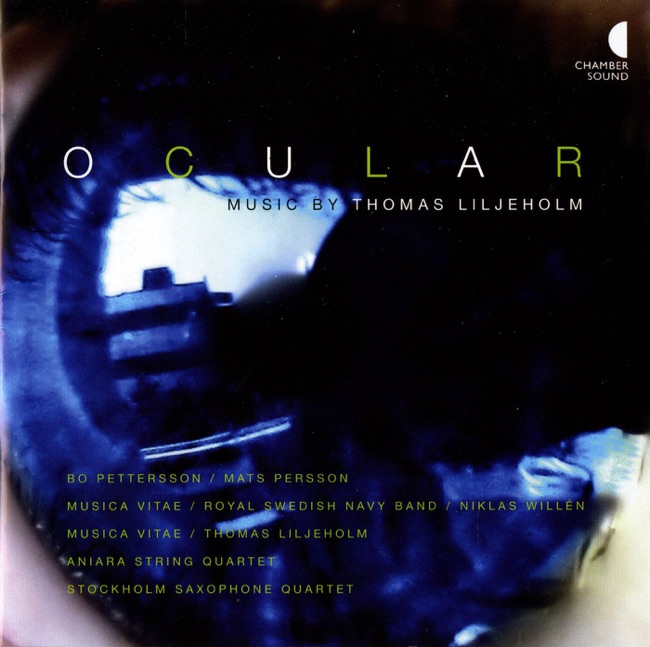 May 1, 2011
 -
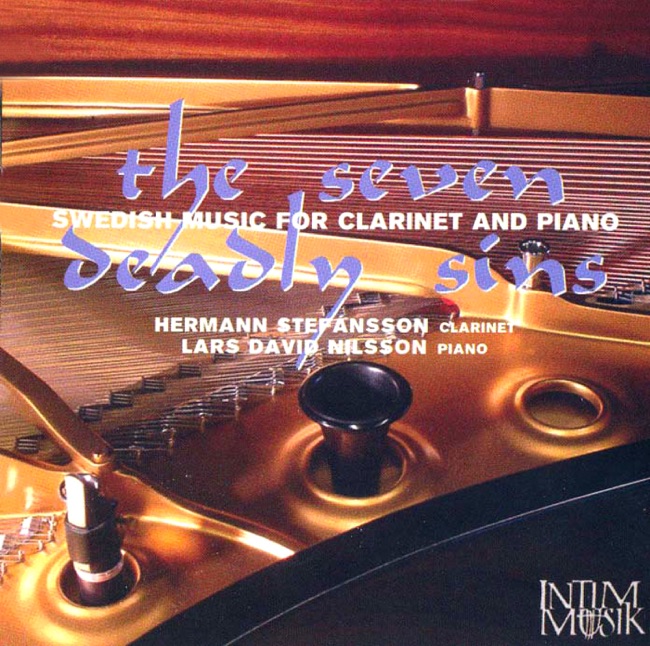 April 29, 2003
Artist Info
Role:Composer ConductorBirth:1944Period:ContemporaryGenre:Avant-GardeChamberThomas Liljeholm was a Finnish composer born on May 12, 1978, in Helsinki, Finland. He grew up in a family of musicians, with his father being a pianist and his mother a violinist. From a young age, Liljeholm showed a keen interest in music and began playing the piano at the age of five. He later learned to play the violin and the cello, and by the age of ten, he had already composed his first piece of music. Liljeholm's musical education began at the Sibelius Academy in Helsinki, where he studied composition under the guidance of Eero Hämeenniemi. He later continued his studies at the Royal College of Music in London, where he studied with Julian Anderson and Colin Matthews. During his time in London, Liljeholm was exposed to a wide range of musical styles and began to develop his own unique voice as a composer. Liljeholm's early works were heavily influenced by the music of his Finnish heritage, particularly the works of Jean Sibelius. His first major composition, a symphony for orchestra, was premiered in Helsinki in 2001 and received critical acclaim. The piece showcased Liljeholm's skill as a composer, with its sweeping melodies and lush orchestration. Over the next few years, Liljeholm continued to compose works for orchestra, including several concertos for solo instruments. His music began to incorporate elements of contemporary classical music, with complex rhythms and dissonant harmonies. Despite this, Liljeholm's music remained accessible and emotionally engaging, with a strong sense of melody and structure. In 2007, Liljeholm was commissioned to write a piece for the Finnish National Opera. The resulting work, a one-act opera titled "The Snow Queen," was based on the classic fairy tale by Hans Christian Andersen. The opera was a critical and commercial success, with Liljeholm's music praised for its evocative and atmospheric qualities. In the years that followed, Liljeholm continued to compose works for a variety of ensembles, including chamber music, choral music, and music for film and television. His music was performed by orchestras and ensembles around the world, and he received numerous awards and honors for his work. One of Liljeholm's most notable works is his Symphony No. 2, which was premiered in Helsinki in 2012. The piece is a powerful and emotional work, with Liljeholm's signature use of melody and harmony to create a sense of drama and tension. The symphony has been performed by orchestras around the world and is considered one of Liljeholm's most important works. Another notable work by Liljeholm is his String Quartet No. 1, which was premiered in London in 2015. The piece is a complex and challenging work, with intricate rhythms and harmonies that require a high level of skill from the performers. Despite this, the music remains emotionally engaging, with Liljeholm's use of melody and structure creating a sense of unity and coherence. Throughout his career, Liljeholm remained committed to exploring new musical ideas and pushing the boundaries of classical music. His music is characterized by its emotional depth, technical skill, and sense of innovation, and he is considered one of the most important composers of his generation. Despite his untimely death in 2018, Liljeholm's music continues to be performed and celebrated by musicians and audiences around the world.More....
Recent Artist Music

Copyright Ⓒ 2013 Davinci Finger. All rights reseved
Service Terms & Policy