


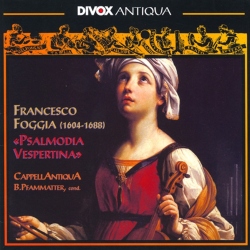
Francesco Foggia
Released Album
Vocal
-
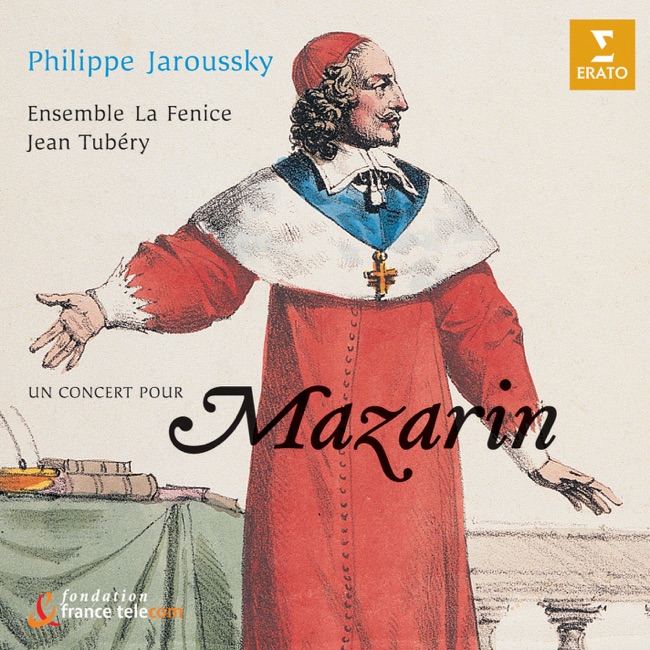 March 1, 2004
Choral
-
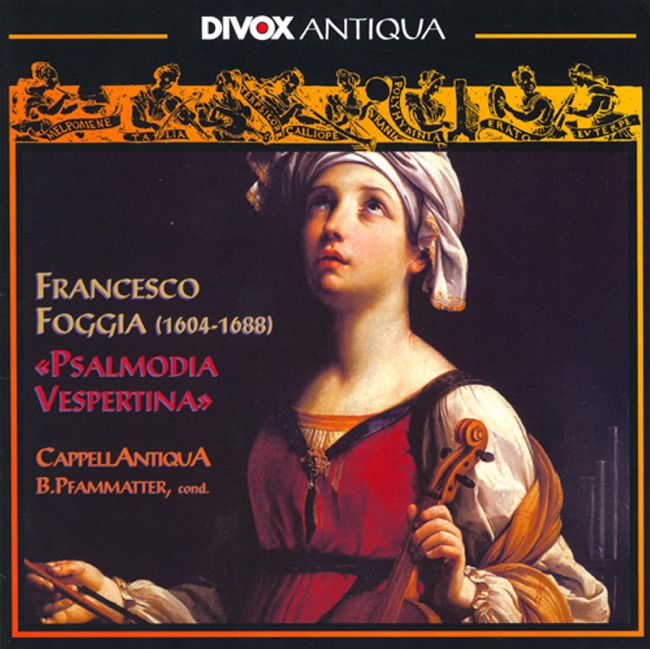 August 30, 2011
 -
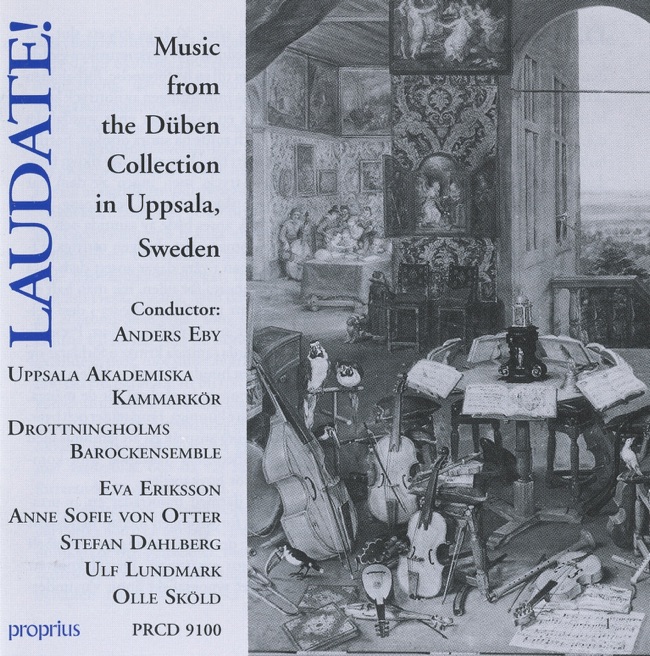 January 1, 2011
Artist Info
Role:ComposerGenre:ChoralFrancesco Foggia was an Italian composer of the Baroque era, born in 1604 in the town of Cotronei, Calabria. He was the son of a musician and grew up in a musical family, which likely influenced his early interest in music. Foggia began his musical education at a young age, studying with his father and later with the composer Giovanni de Macque in Naples. Foggia's early career was spent primarily in Naples, where he worked as a church musician and composer. He held several positions as a maestro di cappella, or music director, at various churches in the city, including the Church of Santa Maria degli Angeli and the Church of San Giovanni a Carbonara. During this time, Foggia also composed a number of sacred works, including masses, motets, and psalms. In 1630, Foggia moved to Rome, where he continued to work as a church musician and composer. He quickly gained a reputation as one of the leading composers of his time, and his music was performed in many of the city's most prestigious churches and institutions. Foggia's compositions from this period include a number of sacred works, as well as secular pieces such as madrigals and canzonettas. One of Foggia's most significant works from this period is his Missa sopra l'aria di Fiorenza, a mass based on a popular Florentine tune. The piece was widely admired for its inventive use of the tune, which is woven throughout the mass in various forms. Foggia's Missa sopra l'aria di Fiorenza was performed frequently in Rome and other cities throughout Italy, and it remains one of his most well-known works today. In 1644, Foggia returned to Naples, where he continued to work as a church musician and composer. He held several positions as a maestro di cappella at churches in the city, including the Church of Santa Maria della Stella and the Church of San Domenico Maggiore. During this time, Foggia composed a number of sacred works, including masses, motets, and psalms, as well as secular pieces such as canzonettas and arias. One of Foggia's most significant works from this period is his opera Il Pompeo, which was first performed in Naples in 1683. The opera is based on the life of the Roman general Pompey, and it was widely admired for its inventive use of musical forms and styles. Il Pompeo was a great success, and it was performed frequently throughout Italy in the years following its premiere. Foggia continued to compose music until his death in Naples in 1688. His legacy as a composer is primarily based on his sacred works, which are admired for their inventive use of musical forms and styles. Foggia's music is characterized by its expressive melodies, rich harmonies, and intricate counterpoint, and it remains an important part of the Baroque repertoire today.More....
Copyright Ⓒ 2013 Davinci Finger. All rights reseved
Service Terms & Policy