


Wayne Barlow
Released Album
Concerto
-
 September 1, 2021
 -
-
 January 1, 2001
 -
Orchestral
-
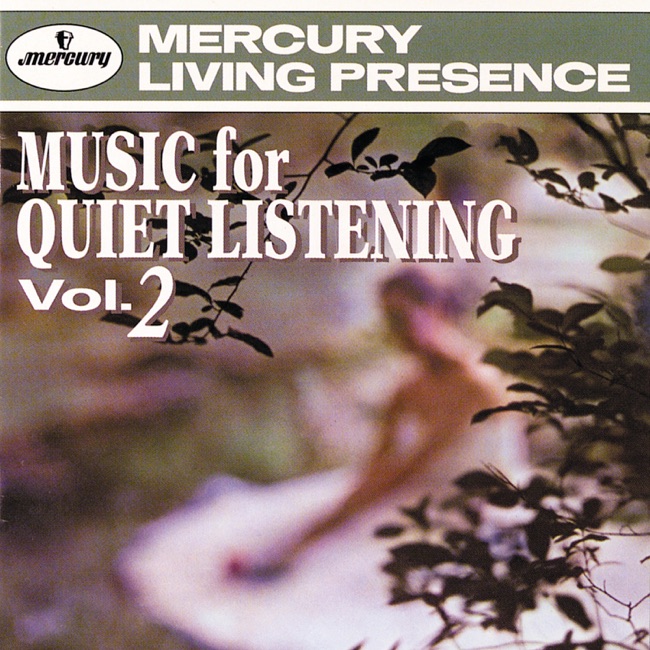 January 1, 1994
Artist Info
Role:ComposerCountry: United States of AmericaBirth:September 6, 1912 in Elyria, OHDeath:1995Period:ModernGenre:ConcertoOrchestralWayne Barlow was an American composer of classical music, born on December 29, 1912, in Springfield, Illinois. He was the son of a music teacher and grew up in a musical family. Barlow began playing the piano at a young age and showed a natural talent for music. He went on to study music at the University of Illinois, where he earned a Bachelor of Music degree in 1934. After completing his undergraduate studies, Barlow continued his education at the Eastman School of Music in Rochester, New York. There, he studied composition with Howard Hanson and Bernard Rogers, two prominent American composers of the time. Barlow also studied conducting with Eugene Goossens, a renowned conductor and composer. In 1938, Barlow received a fellowship from the Juilliard School of Music in New York City, where he studied composition with Frederick Jacobi. During this time, he also worked as a freelance composer and arranger, writing music for radio programs and other media. Barlow's early compositions were influenced by the neoclassical style of composers such as Igor Stravinsky and Paul Hindemith. However, he soon began to develop his own unique style, which was characterized by a blend of traditional tonality and modernist techniques. One of Barlow's most notable early works is his Symphony No. 1, which he composed in 1940. The symphony is a four-movement work that showcases Barlow's skill as a composer. It was premiered by the Rochester Philharmonic Orchestra under the direction of Howard Hanson in 1941. During World War II, Barlow served in the United States Army as a bandmaster. He was stationed in Europe and conducted the Army band in various concerts and performances. After the war, he returned to the United States and continued his career as a composer. In the 1950s, Barlow began to incorporate electronic music into his compositions. He was one of the first American composers to experiment with electronic music, and his works in this genre were highly innovative. One of his most famous electronic works is his Poem Electronique, which he composed in 1957. The piece was created for the Philips Pavilion at the 1958 World's Fair in Brussels, Belgium. It was a groundbreaking work that used electronic sounds and spatial effects to create a unique listening experience. Barlow continued to compose throughout the 1960s and 1970s, and his works during this time were characterized by a more experimental and avant-garde style. He was particularly interested in the use of microtones and non-traditional scales, and his compositions often featured complex rhythms and harmonies. One of Barlow's most notable works from this period is his Concerto for Piano and Nine Instruments, which he composed in 1963. The concerto is a challenging work that showcases Barlow's skill as a composer and his interest in experimental techniques. Barlow's later works were more introspective and reflective. He continued to explore new techniques and styles, but his music became more personal and emotional. One of his most famous works from this period is his Symphony No. 3, which he composed in 1980. The symphony is a deeply moving work that reflects Barlow's thoughts and feelings about life and death. Wayne Barlow died on January 30, 1996, in New York City. He was a highly respected composer who made significant contributions to the world of classical music.More....
Recent Artist Music
5
5:35
Copyright Ⓒ 2013 Davinci Finger. All rights reseved
Service Terms & Policy