


Helene Liebmann
Released Album
Chamber
-
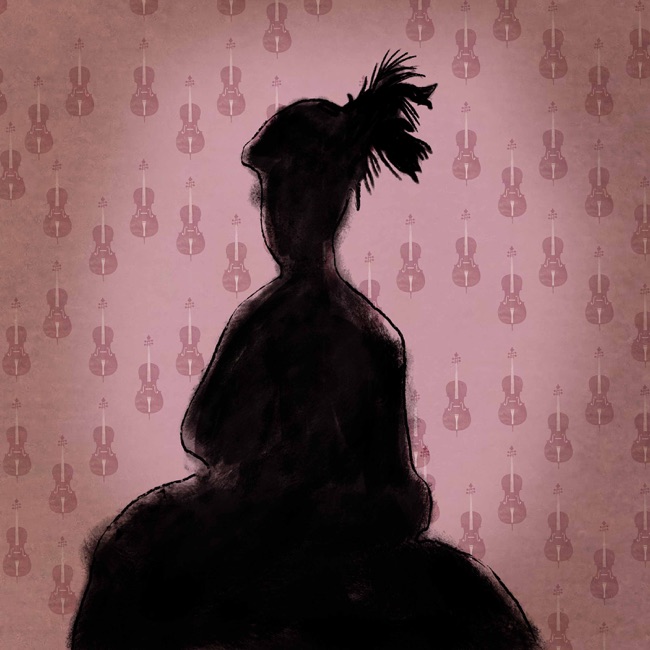 April 15, 2022
 -
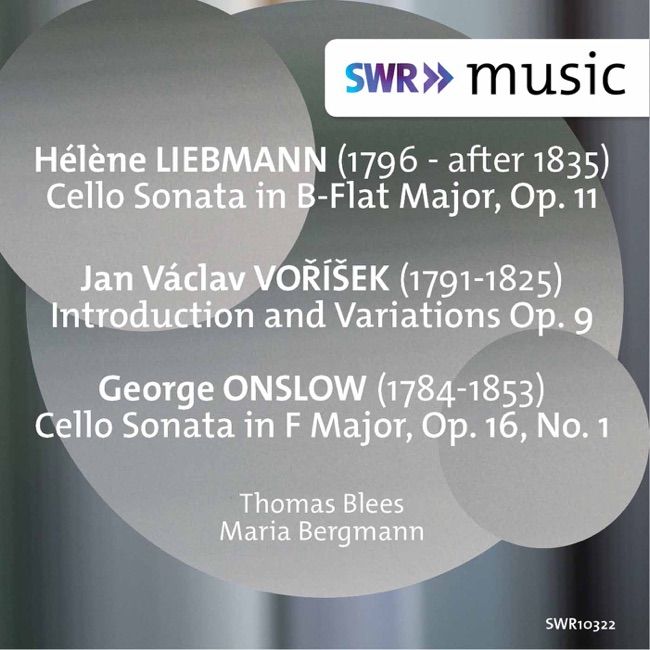
-
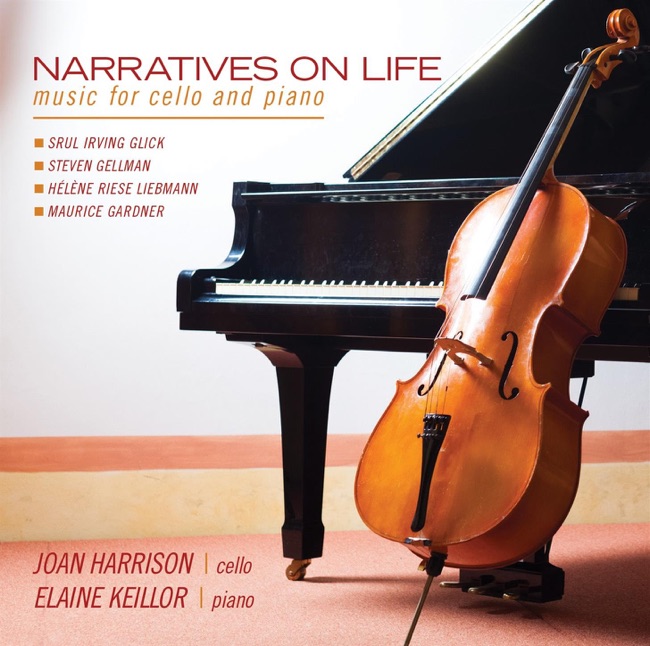 February 26, 2016
Artist Info
Role:ComposerBirth:1796 in Berlin, GermanyDeath:after 1835Genre:ChamberVocalHelene Liebmann was a German composer and pianist born on August 17, 1796, in Berlin. She was the daughter of a wealthy Jewish merchant, and her family was well-known in the cultural circles of Berlin. Her father was a patron of the arts, and he encouraged his daughter's musical talents from an early age. Liebmann began her musical education at the age of six, studying piano with the renowned pianist and composer Johann Nepomuk Hummel. She showed great promise as a pianist, and by the age of 12, she was performing in public concerts. However, her father did not want her to pursue a career as a performer, and instead, he encouraged her to focus on composition. Liebmann began composing at a young age, and her first published work, a set of variations for piano, was published when she was just 14 years old. She continued to compose throughout her teenage years, and by the time she was in her early 20s, she had established herself as a respected composer in Berlin. In 1820, Liebmann married the physician and writer Julius Eduard Hitzig, who was also a close friend of the composer Felix Mendelssohn. Hitzig was a great supporter of his wife's musical career, and he encouraged her to continue composing and performing. The couple had four children, but Liebmann continued to compose and perform throughout her married life. Liebmann's music was influenced by the Romantic composers of her time, particularly Mendelssohn and Robert Schumann. Her compositions were characterized by their lyrical melodies, rich harmonies, and virtuosic piano writing. She wrote primarily for the piano, but she also composed chamber music, vocal music, and orchestral works. One of Liebmann's most famous works is her Piano Sonata in C minor, Op. 11, which was published in 1828. The sonata is a dramatic and virtuosic work, with a powerful opening movement and a lyrical second movement. The third movement is a lively scherzo, and the final movement is a brilliant and energetic finale. Liebmann also composed several sets of character pieces for piano, including her Op. 12 and Op. 13 sets. These pieces are short, evocative works that capture different moods and emotions. Her Op. 12 set includes pieces such as "Melancholy," "Caprice," and "Scherzo," while her Op. 13 set includes pieces such as "Nocturne," "Barcarolle," and "Tarantella." In addition to her piano music, Liebmann also composed several chamber works, including a Piano Trio in G minor, Op. 15, and a String Quartet in E-flat major, Op. 16. These works showcase Liebmann's skill as a composer of chamber music, with their intricate interplay between the instruments and their rich harmonies. Liebmann's music was well-received during her lifetime, and she was praised for her skill as a composer and pianist. However, her music fell out of favor after her death in 1839, and it was largely forgotten until the late 20th century. Today, her music is being rediscovered and performed by musicians around the world, and she is recognized as an important figure in the history of classical music. In conclusion, Helene Liebmann was a talented composer and pianist who made significant contributions to the world of classical music. Her music was characterized by its lyrical melodies, rich harmonies, and virtuosic piano writing, and she was praised for her skill as a composer and performer during her lifetime.More....
Copyright Ⓒ 2013 Davinci Finger. All rights reseved
Service Terms & Policy