


Joseph Ryelandt
Released Album
Chamber
-
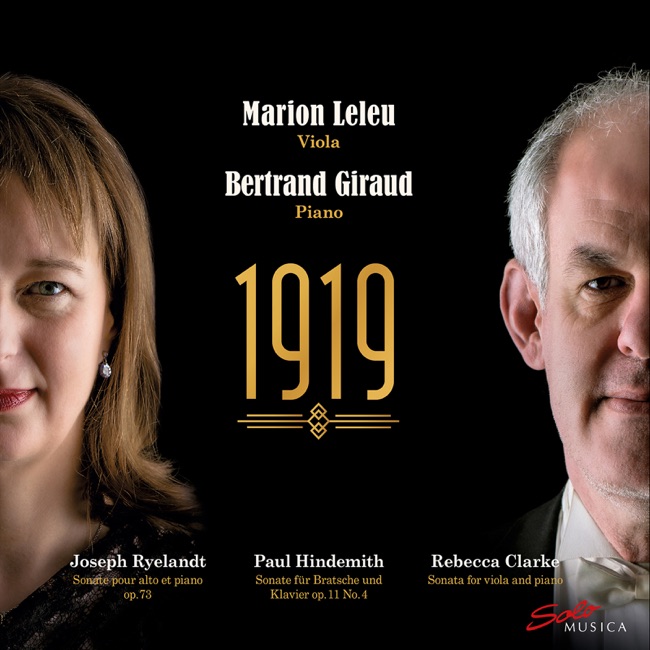 October 7, 2022
 -
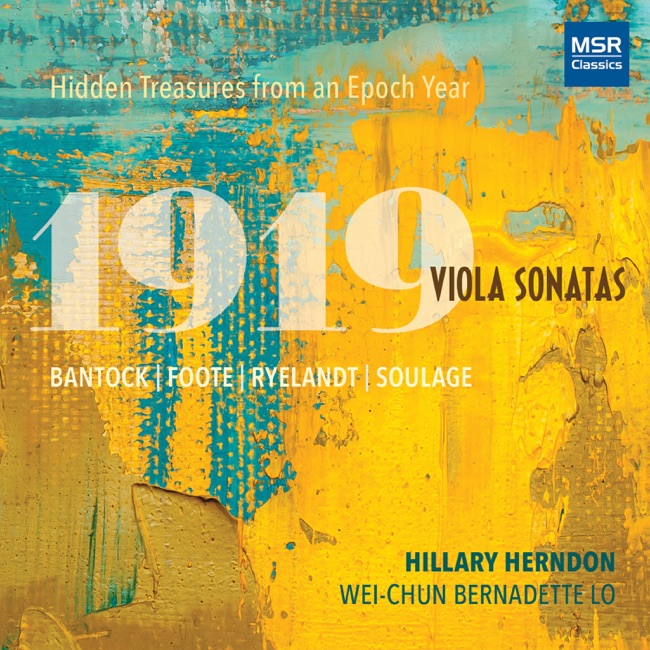 February 10, 2022
 -
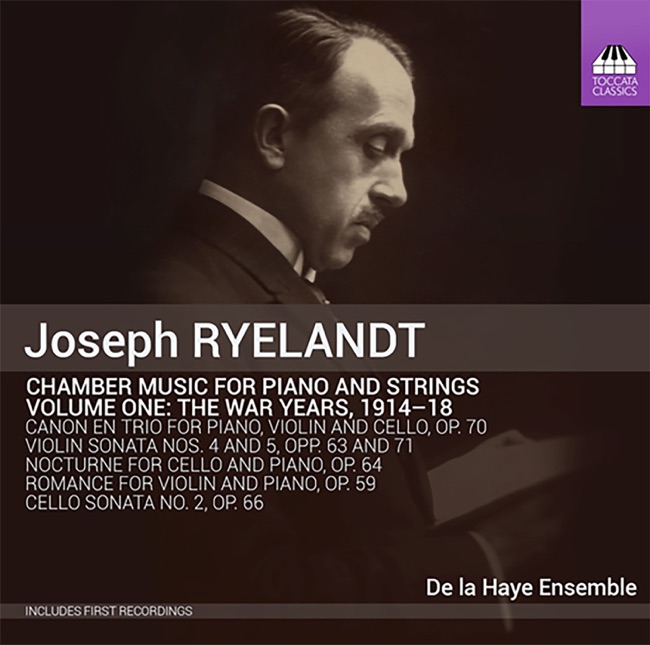 February 12, 2016
 -
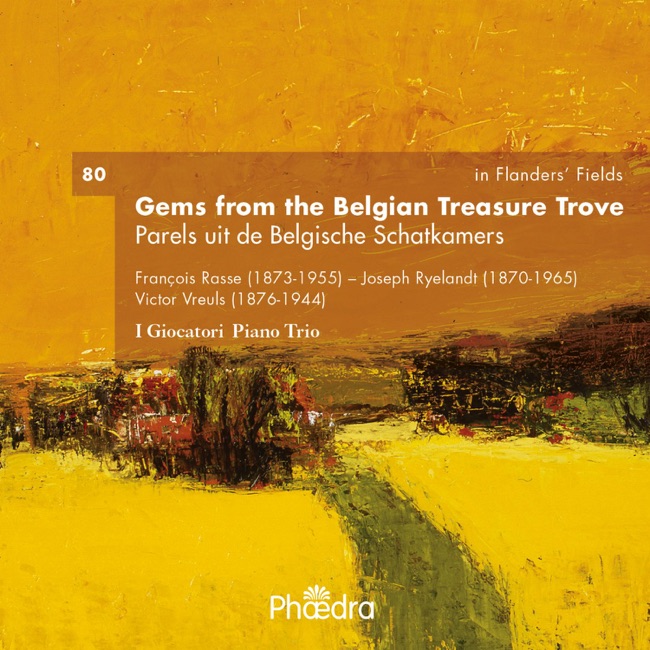 February 11, 2014
 -
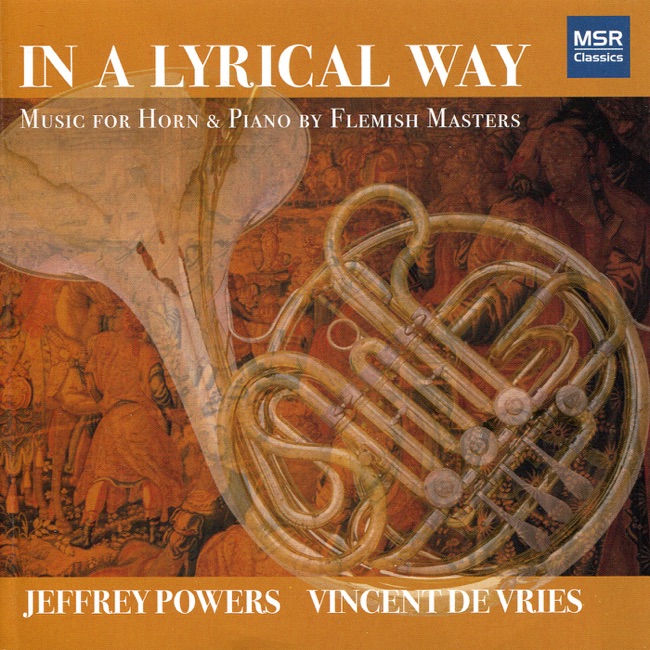 February 10, 2009
 -
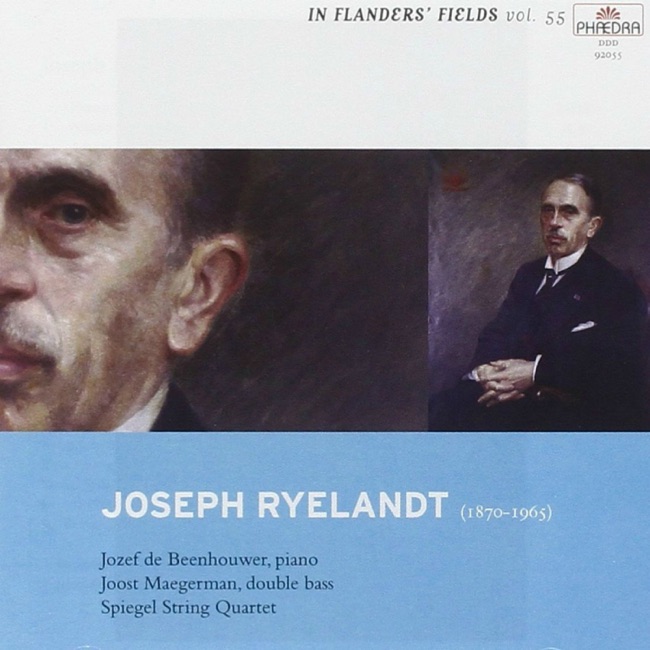 August 11, 2008
Choral
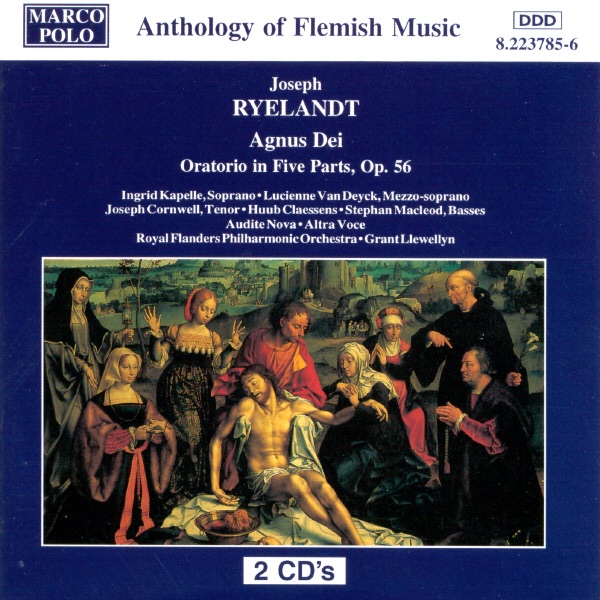
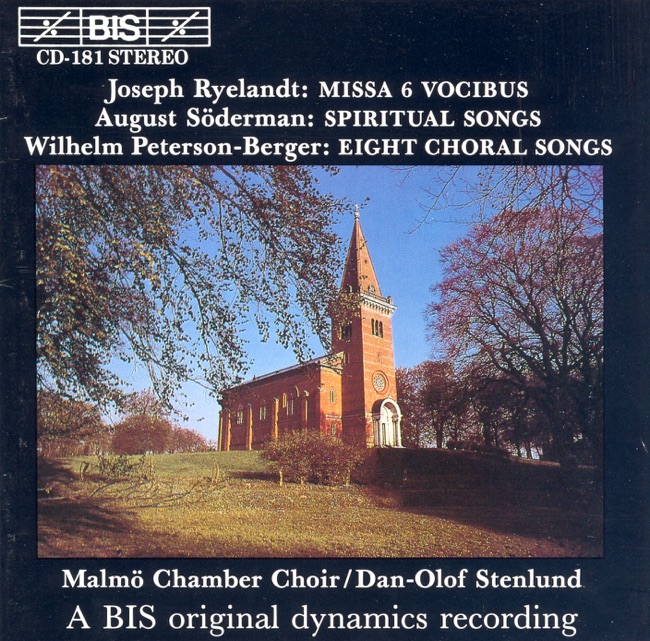
Symphony
-
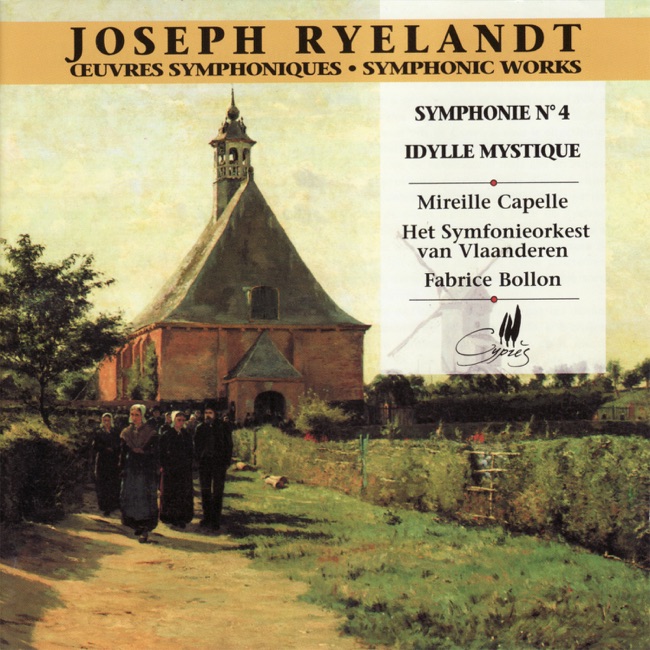 September 15, 1999
Artist Info
Role:ComposerCountry: BelgiumBirth:April 7, 1870 in Bruges, BelgiumDeath:June 29, 1965 in Bruges, BelgiumPeriod:ModernGenre:ChamberChoralKeyboardSymphonyJoseph Ryelandt was a Belgian composer born on April 7, 1870, in Bruges, Belgium. He was the son of a music teacher and grew up in a musical family. His father, Gustave Ryelandt, was a composer and conductor, and his mother, Marie-Louise De Meester, was a pianist. Joseph Ryelandt showed an early interest in music and began studying piano and composition at a young age. Ryelandt's musical education began at the Bruges Conservatory, where he studied piano with Louis Maes and composition with Peter Benoit. He later continued his studies at the Royal Conservatory of Brussels, where he studied composition with Edgar Tinel and piano with Arthur De Greef. Ryelandt was a talented student and won several prizes for his compositions, including the Prix de Rome in 1894. After completing his studies, Ryelandt returned to Bruges, where he worked as a music teacher and conductor. He also continued to compose, and his works began to gain recognition. In 1903, he won the Prix de Rome for the second time, and in 1905, he was appointed as the director of the Bruges Conservatory. Ryelandt's music is characterized by its romanticism and lyrical quality. He was influenced by the music of Wagner, Brahms, and Tchaikovsky, and his works often feature lush harmonies and sweeping melodies. His compositions include orchestral works, chamber music, choral music, and songs. One of Ryelandt's most famous works is his Symphony No. 1 in D minor, Op. 23. The symphony was composed in 1902 and premiered in Brussels in 1903. The work is in four movements and features a rich orchestration and dramatic themes. The symphony was well-received and helped establish Ryelandt as a major composer in Belgium. Another notable work by Ryelandt is his String Quartet No. 1 in A minor, Op. 6. The quartet was composed in 1896 and premiered in Brussels in 1897. The work is in four movements and showcases Ryelandt's skill in writing for the string quartet. The quartet is notable for its lyrical melodies and rich harmonies. Ryelandt also composed several choral works, including his Requiem, Op. 37. The work was composed in 1921 and premiered in Bruges in 1922. The Requiem is a large-scale work for choir, soloists, and orchestra and features a powerful and emotional setting of the Latin text. The work is notable for its use of lush harmonies and dramatic contrasts. In addition to his compositions, Ryelandt was also a respected conductor and music educator. He served as the director of the Bruges Conservatory for over 30 years and was instrumental in promoting music education in Belgium. He also conducted several orchestras, including the Brussels Philharmonic and the Royal Flemish Opera. Ryelandt's music fell out of favor after his death in 1965, but in recent years, there has been a renewed interest in his works. Several recordings of his music have been released, and his works have been performed by orchestras and ensembles around the world. In conclusion, Joseph Ryelandt was a talented composer and musician who made significant contributions to the classical music world. His works are characterized by their romanticism and lyrical quality, and his compositions continue to be performed and appreciated today. Ryelandt's legacy as a composer and music educator is an important part of Belgium's rich musical history.More....
Recent Artist Music
1
3:57
6
12:57

8
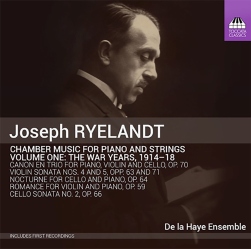
Canon in Trio, for violin, cello & piano, Op. 70
Canon en Trio for piano, violin and cello, Op. 70
2:35
Copyright Ⓒ 2013 Davinci Finger. All rights reseved
Service Terms & Policy