


Robert Wilson Black
Released Album
Chamber
-
 March 29, 2011
Miscellaneous
-
 January 3, 1995
Vocal
-
 June 14, 2005
Orchestral
-
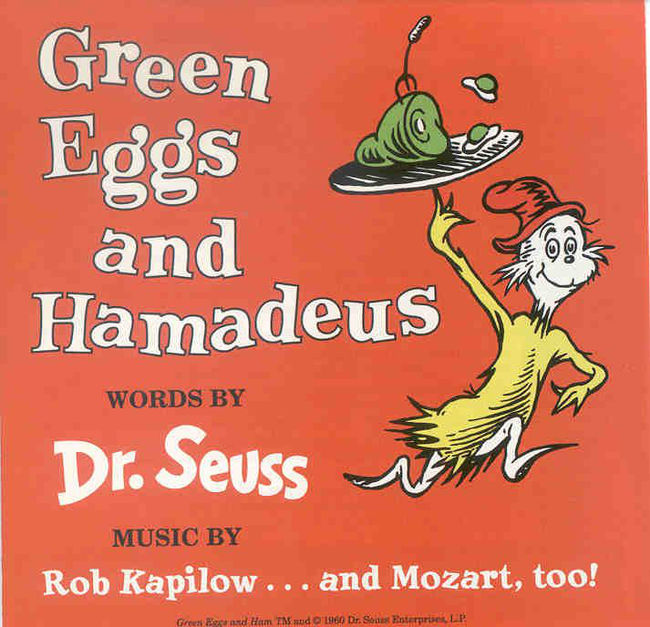 May 31, 2005
 -
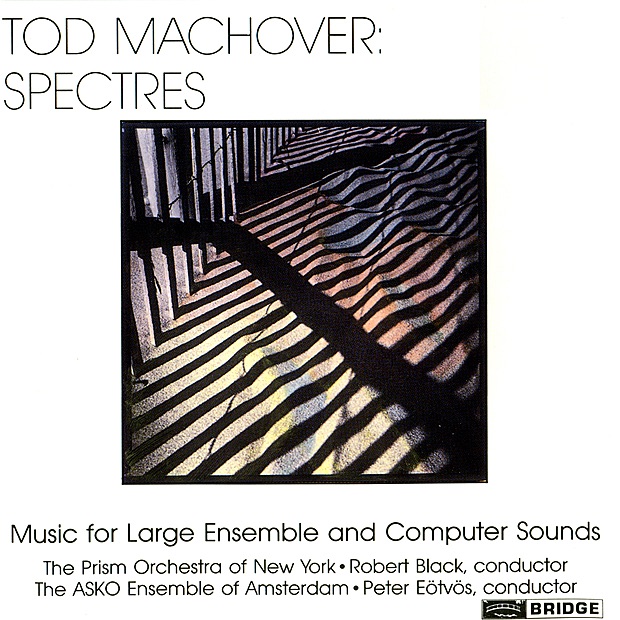 September 11, 1993
Artist Info
Role:ConductorRobert Wilson Black was born on May 12, 1948, in New York City. He grew up in a family of musicians, with his father being a jazz pianist and his mother a classical pianist. Black started playing the cello at the age of six and quickly showed a natural talent for the instrument. Black's early musical education was under the tutelage of his mother, who taught him the basics of classical music theory and technique. He later studied at the Juilliard School in New York City, where he received a Bachelor of Music degree in cello performance. After completing his studies, Black began his professional career as a cellist, performing with various orchestras and ensembles. He quickly gained a reputation as a skilled and versatile musician, capable of playing a wide range of musical styles. One of Black's early highlights was his performance with the New York Philharmonic in 1972, where he played the cello solo in Tchaikovsky's "Rococo Variations." The performance was widely praised by critics and helped establish Black as a rising star in the classical music world. Over the next few years, Black continued to perform with various orchestras and ensembles, including the Boston Symphony Orchestra and the Chicago Symphony Orchestra. He also began to develop a reputation as a soloist, performing recitals and concertos around the world. In 1980, Black was awarded the Avery Fisher Prize, one of the most prestigious awards in classical music. The prize recognized his outstanding contributions to the field of classical music and helped cement his status as one of the leading cellists of his generation. Throughout the 1980s and 1990s, Black continued to perform and record extensively, collaborating with some of the most renowned conductors and musicians of the time. He also began to explore new musical genres, experimenting with jazz and world music. One of Black's most notable collaborations was with the composer Philip Glass, with whom he worked on several projects, including the opera "Einstein on the Beach" and the film score for "The Hours." The collaboration helped bring Glass's music to a wider audience and established Black as a leading interpreter of his work. In addition to his performing career, Black was also a dedicated teacher and mentor. He taught at several prestigious music schools, including the Juilliard School and the Curtis Institute of Music, and mentored many young musicians who went on to successful careers in classical music. Black's legacy as a musician and teacher continues to inspire generations of classical musicians. His dedication to his craft, his versatility as a performer, and his commitment to mentoring young musicians have made him one of the most respected and beloved figures in classical music.More....
Recent Artist Music





Copyright Ⓒ 2013 Davinci Finger. All rights reseved
Service Terms & Policy