


Andreas Baksa
Released Album
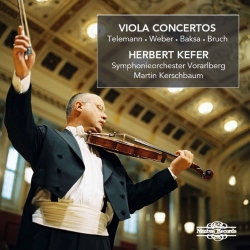
Concerto
-
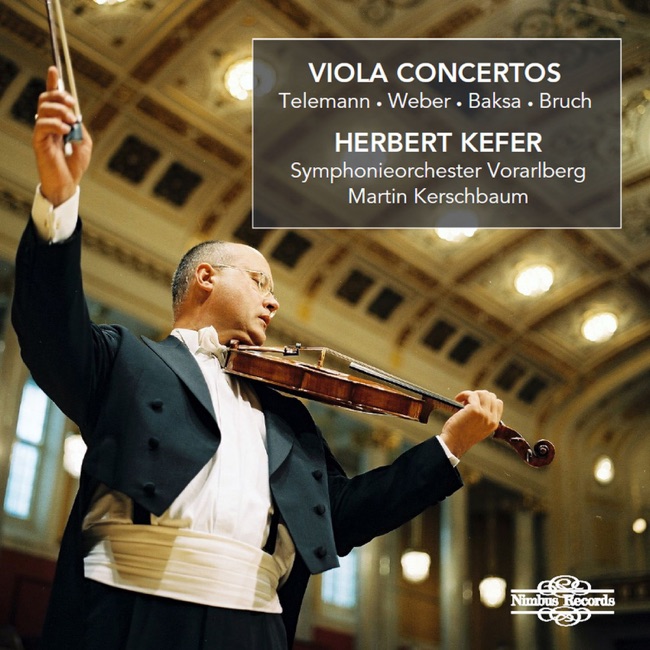 February 3, 2017
 -
 September 23, 2008
Orchestral
-
 September 23, 2008
 -
Chamber
-
 August 26, 2016
Vocal
-
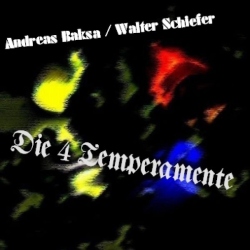
 September 23, 2008
Artist Info
Role:Composer ConductorAndreas Baksa was a Hungarian composer born on January 1, 1959, in Budapest. He grew up in a family of musicians, with his father being a composer and his mother a pianist. Baksa started playing the piano at a young age and showed a great interest in music. He attended the Franz Liszt Academy of Music in Budapest, where he studied composition under the guidance of Ferenc Farkas. Baksa's early works were influenced by the Hungarian folk music tradition, which he incorporated into his compositions. His first major work was a piano concerto, which he composed while still a student at the academy. The concerto was well-received and helped establish Baksa as a promising young composer. After graduating from the academy, Baksa continued to compose and his works began to gain recognition both in Hungary and abroad. He won several awards for his compositions, including the Bartók-Pásztory Award in 1985 and the Erkel Prize in 1991. Baksa's music is characterized by its lyrical melodies, rich harmonies, and use of folk music elements. He often drew inspiration from Hungarian folk music, but also incorporated elements from other musical traditions, such as jazz and rock. One of Baksa's most famous works is his Symphony No. 1, which he composed in 1987. The symphony is a tribute to the Hungarian Revolution of 1956 and is divided into three movements. The first movement is a somber reflection on the events leading up to the revolution, while the second movement is a lively dance that celebrates the spirit of the revolution. The final movement is a mournful elegy that reflects on the tragic aftermath of the revolution. Another notable work by Baksa is his Violin Concerto, which he composed in 1993. The concerto is a virtuosic showcase for the solo violinist, with fast runs and intricate passages that require great technical skill. The concerto also features lyrical melodies and rich harmonies, which are characteristic of Baksa's style. Baksa's music has been performed by orchestras and ensembles around the world, including the Budapest Symphony Orchestra, the Hungarian Radio Symphony Orchestra, and the Berlin Philharmonic. He has also been a guest conductor for several orchestras, including the Hungarian State Opera Orchestra and the Slovak Radio Symphony Orchestra. In addition to his work as a composer and conductor, Baksa was also a professor of composition at the Franz Liszt Academy of Music in Budapest. He taught many young composers who went on to have successful careers in music. Sadly, Baksa passed away on December 31, 2016, at the age of 57. His legacy as a composer and educator lives on, and his music continues to be performed and enjoyed by audiences around the world.More....
Recent Artist Music
2
17:3
Copyright Ⓒ 2013 Davinci Finger. All rights reseved
Service Terms & Policy