


Pomponio Nenna
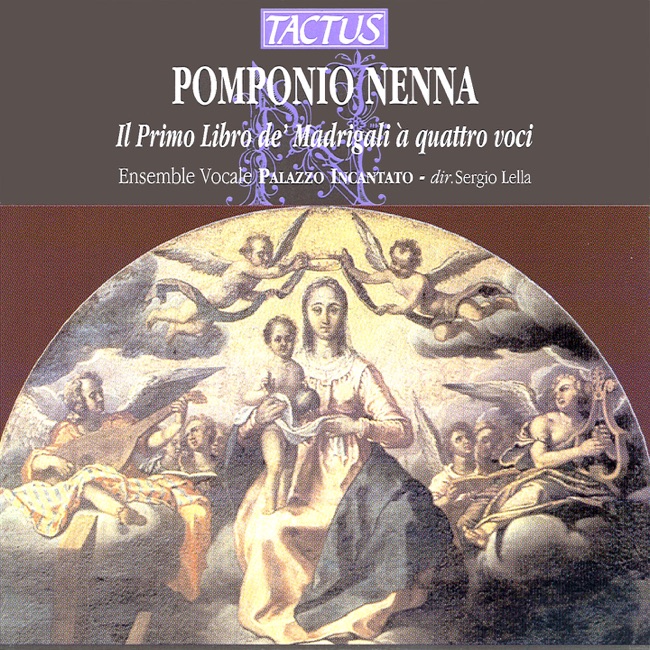
Released Album
Vocal
-
 September 14, 2018
 -
-
 July 30, 2001
Artist Info
Role:ComposerCountry: ItalyBirth:1550 in Bari, ItalyDeath:October, 1613 in Rome, ItalyPeriod:RenaissanceGenre:ChoralVocalPomponio Nenna was a prominent Italian composer of the late Renaissance period. He was born in 1556 in the city of Naples, which was a thriving center of music and culture at the time. Nenna grew up in a family of musicians, and his father was a well-known composer and singer in Naples. From a young age, Nenna showed a great talent for music, and he began studying with his father and other prominent musicians in the city. Nenna's early works were heavily influenced by the music of his father and other composers of the time, such as Giovanni de Macque and Giovanni de Macque. However, he soon began to develop his own unique style, which was characterized by its use of complex harmonies and intricate counterpoint. Nenna's music was also notable for its emotional depth and expressiveness, which was a departure from the more formal and restrained style of many of his contemporaries. One of Nenna's most famous works is his collection of madrigals, which were published in 1593. These madrigals were written for four voices and were based on poems by some of the most famous poets of the time, including Petrarch and Tasso. The madrigals were highly praised for their beauty and complexity, and they helped to establish Nenna as one of the leading composers of his time. In addition to his madrigals, Nenna also composed a number of other works, including motets, canzonas, and instrumental pieces. Many of these works were written for the church, and they were often performed during religious services and ceremonies. Nenna's music was highly regarded by his contemporaries, and he was often praised for his skill and creativity. Despite his success as a composer, Nenna faced a number of challenges throughout his life. He lived during a time of great political and social upheaval in Italy, and he was often forced to navigate the complex and sometimes dangerous political landscape of the time. In addition, he faced financial difficulties throughout his career, and he was often forced to rely on the patronage of wealthy individuals and institutions in order to support himself and his family. Despite these challenges, Nenna continued to compose music throughout his life, and he remained a highly respected figure in the world of music until his death in 1608. His legacy lives on today, and his music continues to be performed and studied by musicians and scholars around the world.More....
Recent Artist Music
1
2:36
2
1:40
3
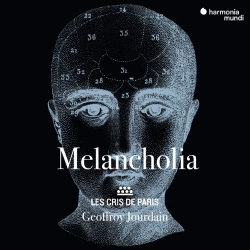
The mia doglia advances
La mia doglia s'avanza (Il primo libro de madrigali a quatro voci, 1613)
2:29
Copyright Ⓒ 2013 Davinci Finger. All rights reseved
Service Terms & Policy