


Fernando Bustamante
Released Album
Chamber
-
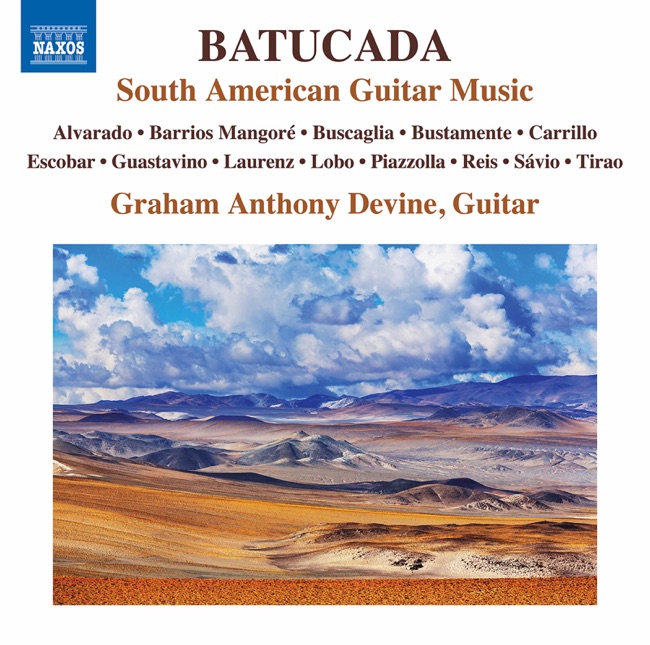 November 12, 2021
 -
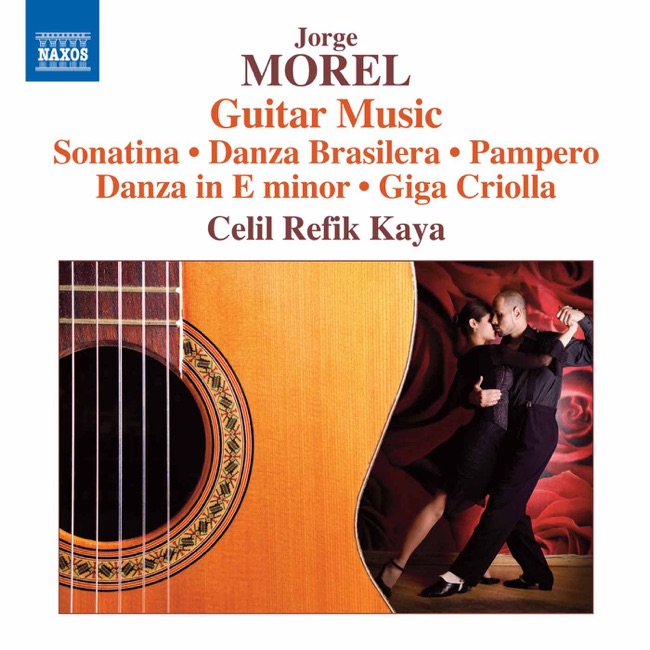 November 11, 2016
 -
 March 4, 2014
 -
 January 28, 2014
 -
 March 2, 2009
 -
 July 25, 2006
Artist Info
Role:ComposerPeriod:RomanticGenre:ChamberFernando Bustamante was a renowned classical music composer who was born on January 1, 1929, in Lima, Peru. He was the son of a prominent lawyer and a music teacher, and his parents recognized his musical talent at an early age. Bustamante began his musical education at the National Conservatory of Music in Lima, where he studied piano, composition, and conducting. Bustamante's early compositions were heavily influenced by the traditional music of Peru, and he often incorporated elements of Peruvian folk music into his works. He also drew inspiration from the works of European composers such as Bach, Mozart, and Beethoven, and he studied their compositions extensively. In 1952, Bustamante moved to Paris to continue his musical education at the École Normale de Musique de Paris. While in Paris, he studied with renowned composers such as Nadia Boulanger and Olivier Messiaen, and he was exposed to a wide range of musical styles and techniques. Bustamante's compositions during this period were marked by a fusion of traditional Peruvian music and European classical music. He also began to experiment with new techniques and forms, such as serialism and aleatoric music. In 1956, Bustamante returned to Peru and began to establish himself as a prominent composer and conductor. He founded the Lima Symphony Orchestra and served as its conductor for many years. He also taught composition at the National Conservatory of Music in Lima and mentored many young composers. Bustamante's compositions during this period were characterized by a strong sense of national identity and a commitment to promoting Peruvian music. He often incorporated traditional Peruvian instruments such as the charango and the quena into his works, and he drew inspiration from the rhythms and melodies of Peruvian folk music. One of Bustamante's most famous works from this period is his "Concerto for Charango and Orchestra," which was composed in 1965. The concerto features the charango, a small Andean stringed instrument, and is a tribute to the traditional music of the Andes. Bustamante continued to compose and conduct throughout the 1970s and 1980s, and his works during this period were marked by a growing interest in experimental forms and techniques. He also began to incorporate electronic music into his compositions, and he collaborated with electronic music pioneers such as Jean-Claude Risset. One of Bustamante's most famous works from this period is his "Concerto for Piano and Electronic Sounds," which was composed in 1972. The concerto features a solo piano accompanied by electronic sounds, and it is a groundbreaking work that explores the possibilities of electronic music. Bustamante's later works were marked by a return to more traditional forms and techniques, and he began to focus more on chamber music and vocal music. He also continued to mentor young composers and conductors, and he remained an important figure in the Peruvian music scene until his death in 2013. Overall, Fernando Bustamante was a pioneering composer who played a significant role in the development of classical music in Peru. His works were marked by a strong sense of national identity and a commitment to promoting Peruvian music, and he was a mentor and inspiration to many young composers and musicians. His legacy continues to inspire and influence musicians around the world.More....
Recent Artist Music
1
4:25
2
4:25

Recommend Playlist


Copyright Ⓒ 2013 Davinci Finger. All rights reseved
Service Terms & Policy