


Ralph Shapey
Released Album
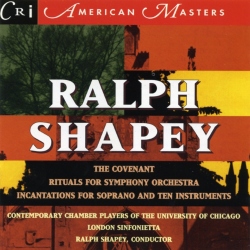
Chamber
-
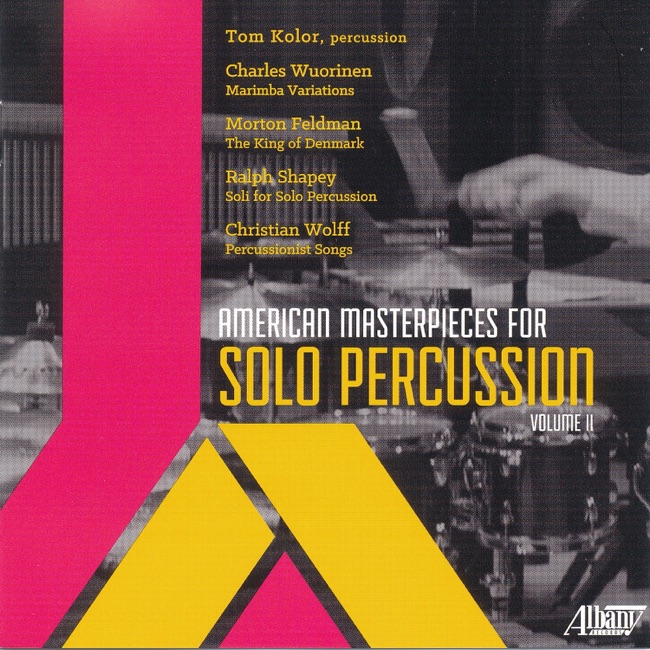 July 15, 2015
 -
 March 15, 2011
 -
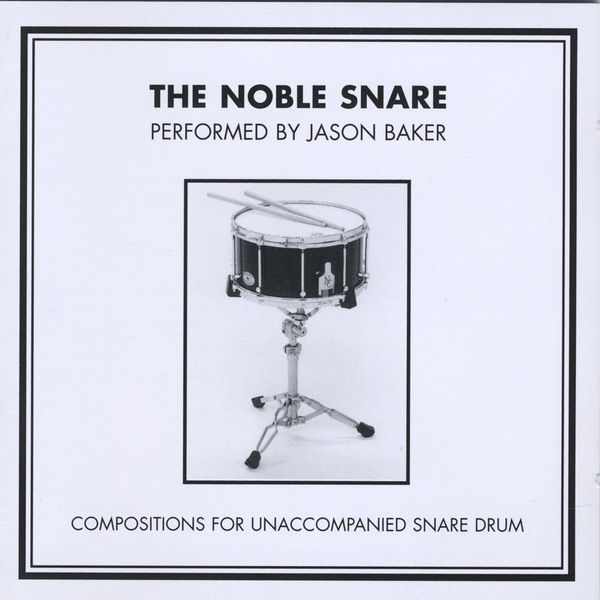 January 23, 2009
 -
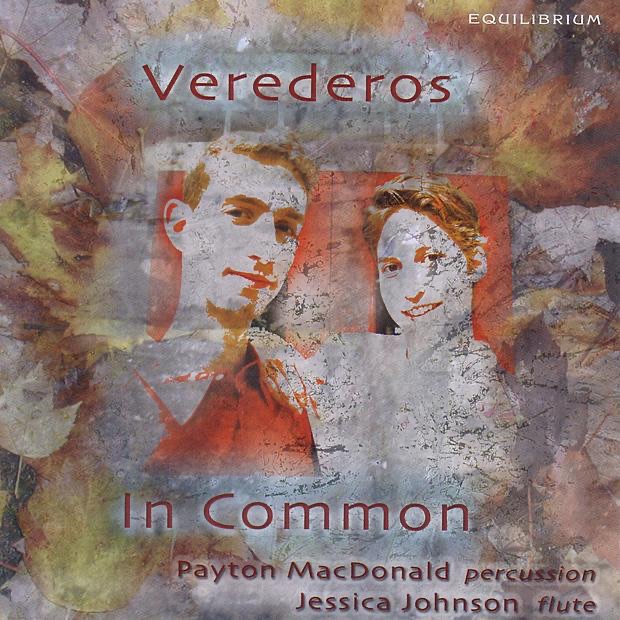 September 30, 2003
 -
 January 1, 2001
 -
 March 23, 1999
Vocal
-
-
 March 10, 2009
 -
 October 24, 1995
Keyboard
-
 October 26, 2010
 -
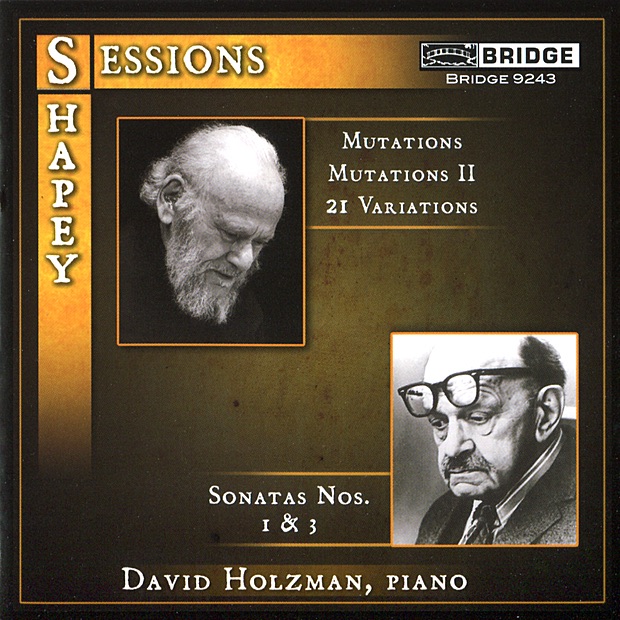 December 11, 2007
 -
 January 1, 2002
 -
 October 12, 1993
Artist Info
Role:Composer ConductorBirth:March 12, 1921 in Philadelphia, PADeath:June 13, 2002 in Chicago, ILGenre:ChamberVocalRalph Shapey was an American composer and conductor who was born on March 12, 1921, in Philadelphia, Pennsylvania. He was the son of Russian-Jewish immigrants and grew up in a musical family. His father was a violinist and his mother was a pianist, and they encouraged their son's interest in music from an early age. Shapey began his formal music education at the age of 10 when he started taking violin lessons. He later switched to the viola and studied with Emanuel Vardi, a renowned violist and conductor. In 1940, Shapey enrolled at the Curtis Institute of Music in Philadelphia, where he studied composition with Rosario Scalero and conducting with Fritz Reiner. After graduating from the Curtis Institute in 1943, Shapey served in the United States Army during World War II. He was stationed in Europe and played in the army band, which gave him the opportunity to travel and perform throughout the continent. After the war, Shapey returned to the United States and settled in Chicago, where he became a prominent figure in the city's music scene. In 1950, Shapey founded the Contemporary Chamber Players at the University of Chicago, which became one of the leading ensembles for contemporary music in the United States. He also taught composition at the university and mentored many young composers who went on to become successful in their own right. Shapey's music was known for its complexity and intensity, and he was often associated with the avant-garde movement in classical music. He was influenced by the music of Arnold Schoenberg, whom he considered his mentor, as well as by the works of other modernist composers such as Anton Webern and Alban Berg. One of Shapey's most famous works is his String Quartet No. 9, which he composed in 1985. The piece is known for its intricate rhythms and dissonant harmonies, and it has been described as a "tour de force" of contemporary chamber music. Shapey also composed several other string quartets, as well as orchestral works, choral pieces, and solo works for various instruments. In addition to his work as a composer, Shapey was also a respected conductor. He conducted many premieres of contemporary works, including the American premiere of Schoenberg's opera Moses und Aron in 1965. He also conducted the Chicago Symphony Orchestra and other major orchestras throughout the United States and Europe. Shapey received numerous awards and honors throughout his career, including a Guggenheim Fellowship, a National Endowment for the Arts grant, and the Pulitzer Prize for Music in 1992 for his composition Concerto Fantastique. He was also elected to the American Academy of Arts and Letters in 1981. Despite his success as a composer and conductor, Shapey was not without controversy. He was known for his uncompromising attitude towards his music and his sometimes abrasive personality. He also faced criticism for his use of atonal and dissonant harmonies, which some critics felt were too difficult for audiences to appreciate. Shapey died on June 13, 2002, in Chicago, at the age of 81. He left behind a legacy as one of the most important composers of contemporary classical music in the United States. His music continues to be performed and studied by musicians and scholars around the world, and his influence can be heard in the works of many younger composers who have followed in his footsteps.More....
Recent Artist Music

Copyright Ⓒ 2013 Davinci Finger. All rights reseved
Service Terms & Policy