


Morris Rosenzweig
Released Album
Chamber
-
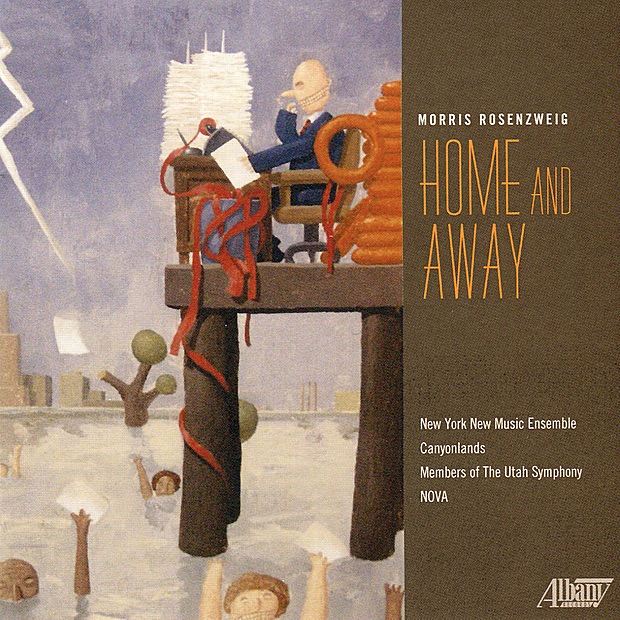 September 14, 2010
 -
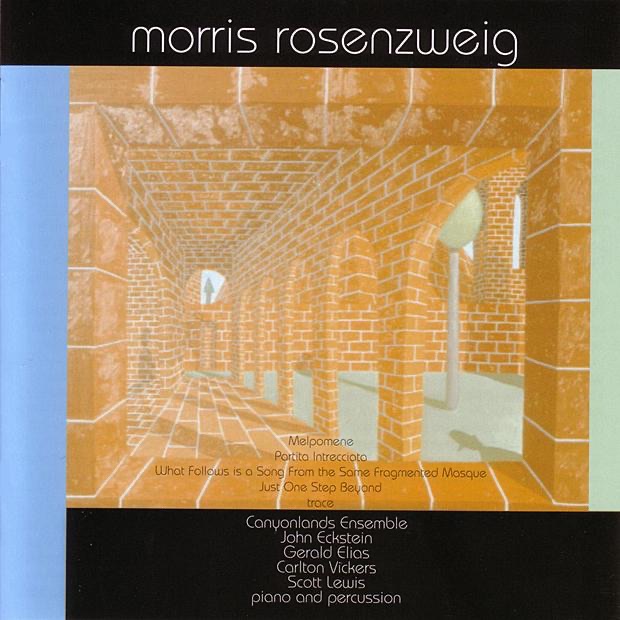 February 22, 2005
 -
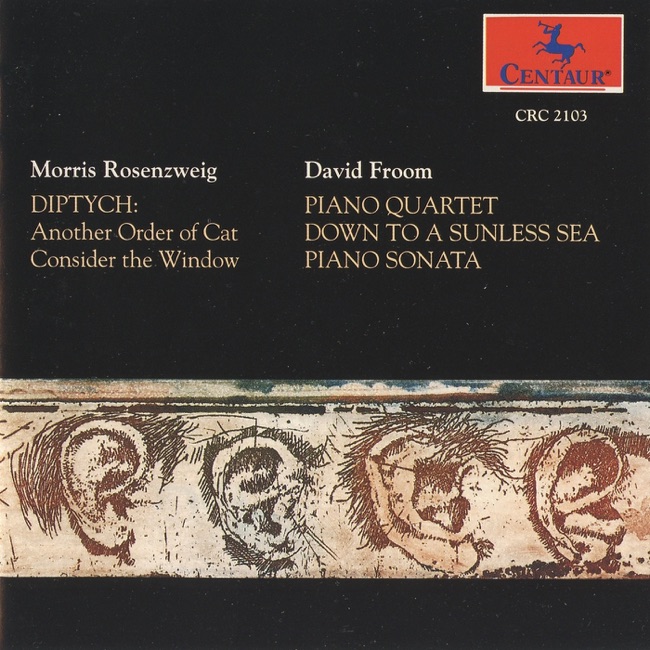
Keyboard
-
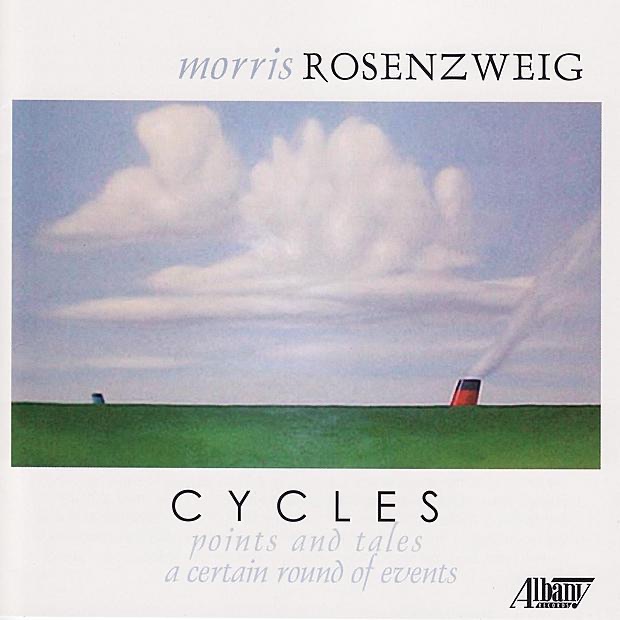 March 13, 2007
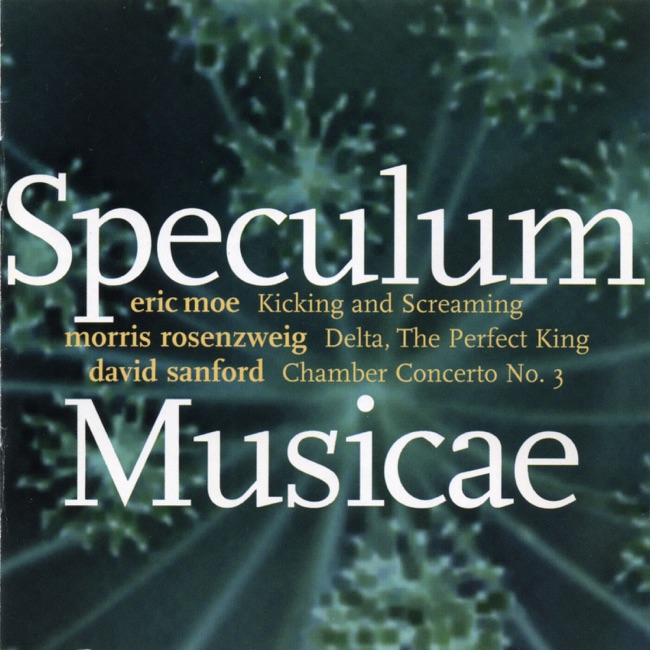
Artist Info
Role:Composer ConductorBirth:October 1, 1952Period:ContemporaryModernGenre:Avant-GardeChamberConcertoKeyboardVocalMorris Rosenzweig was a classical music composer who was born on May 12, 1922, in New York City. He was the youngest of three children born to Jewish immigrants from Eastern Europe. His father was a tailor, and his mother was a homemaker. Rosenzweig showed an early interest in music and began playing the piano at the age of six. Rosenzweig's parents recognized his talent and encouraged him to pursue music. He began taking piano lessons and later studied composition with the renowned composer Aaron Copland. Rosenzweig attended the Juilliard School of Music in New York City, where he earned a Bachelor of Music degree in 1943. After graduating from Juilliard, Rosenzweig served in the United States Army during World War II. He was stationed in Europe and played the piano for troops in hospitals and other military facilities. After the war, Rosenzweig returned to New York City and began his career as a composer. Rosenzweig's early works were influenced by the neoclassical style of composers like Stravinsky and Hindemith. His compositions were characterized by their clarity of form and use of traditional tonal harmony. Rosenzweig's music was also influenced by his Jewish heritage, and he often incorporated Jewish themes and melodies into his works. One of Rosenzweig's early works was his Piano Sonata No. 1, which he composed in 1947. The sonata is a three-movement work that showcases Rosenzweig's skill as a pianist and composer. The first movement is a lively and rhythmic allegro, while the second movement is a slow and contemplative adagio. The final movement is a fast and energetic allegro that brings the sonata to a thrilling conclusion. In 1950, Rosenzweig composed his String Quartet No. 1, which was premiered by the Juilliard String Quartet. The quartet is a four-movement work that showcases Rosenzweig's skill as a composer of chamber music. The first movement is a lively and rhythmic allegro, while the second movement is a slow and lyrical adagio. The third movement is a playful scherzo, and the final movement is a fast and energetic allegro that brings the quartet to a thrilling conclusion. Rosenzweig's music began to gain recognition in the 1950s, and he received commissions from several prominent orchestras and ensembles. In 1955, he composed his Symphony No. 1, which was premiered by the New York Philharmonic under the direction of Leonard Bernstein. The symphony is a three-movement work that showcases Rosenzweig's skill as an orchestral composer. The first movement is a lively and rhythmic allegro, while the second movement is a slow and contemplative adagio. The final movement is a fast and energetic allegro that brings the symphony to a thrilling conclusion. In the 1960s, Rosenzweig's music began to incorporate more avant-garde techniques, such as serialism and aleatoric music. His compositions became more complex and challenging, but they still retained the clarity of form and tonal harmony that characterized his earlier works. One of Rosenzweig's most significant works from this period was his Piano Concerto No. 2, which he composed in 1967. The concerto is a three-movement work that showcases Rosenzweig's skill as a pianist and composer. The first movement is a lively and rhythmic allegro, while the second movement is a slow and contemplative adagio. The final movement is a fast and energetic allegro that brings the concerto to a thrilling conclusion.More....
Recent Artist Music
3
The Shared Out Song
1. Que sea repartido todo canto en la tierra (May all singing be shared on earth)
9:54
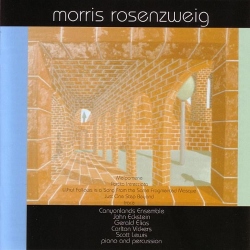
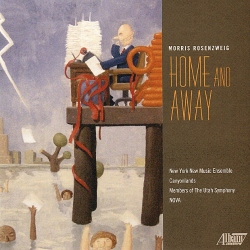
6
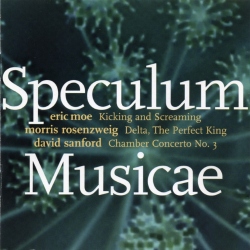
17:50
Copyright Ⓒ 2013 Davinci Finger. All rights reseved
Service Terms & Policy