


Hugi Guðmundsson
Released Album
Choral
-
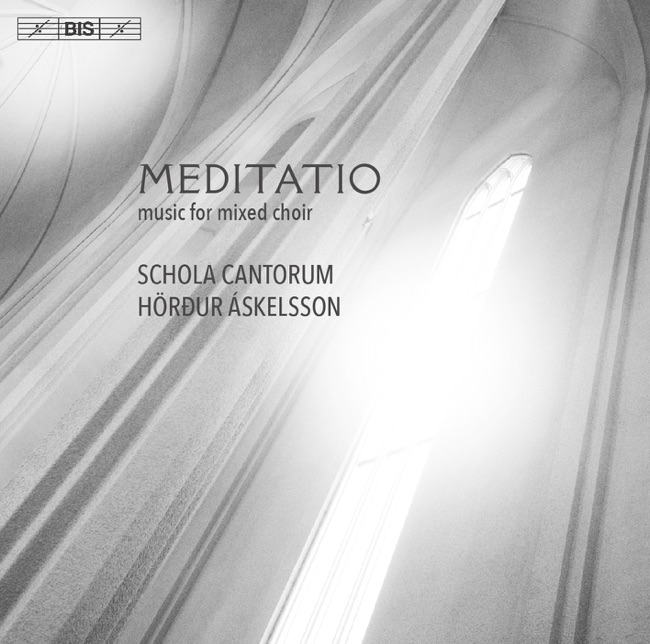 September 9, 2016
 -
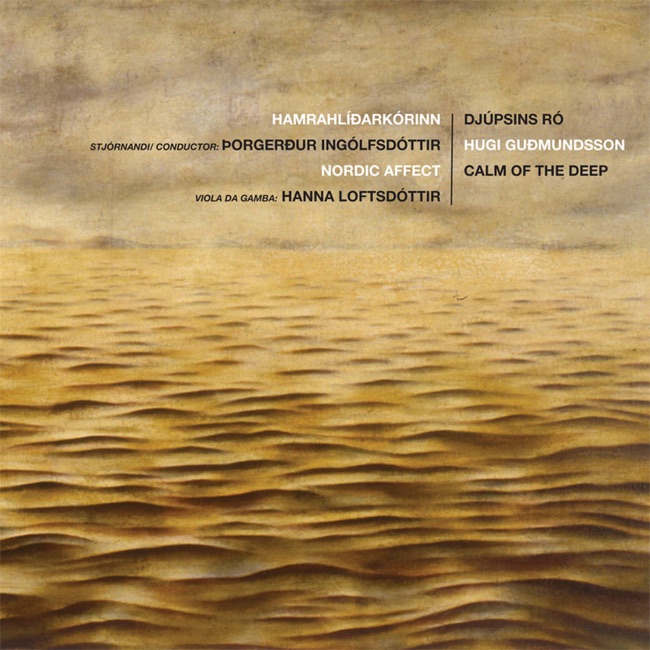 May 12, 2015
Artist Info
Role:ComposerHugi Guðmundsson was a renowned Icelandic composer of classical music. He was born on August 22, 1925, in Reykjavik, Iceland. His parents were both musicians, and they encouraged him to pursue music from a young age. Hugi began playing the piano at the age of six and showed a natural talent for music. Hugi's parents recognized his talent and enrolled him in the Reykjavik Music School when he was eight years old. He studied piano, violin, and music theory at the school and quickly became one of its most promising students. Hugi's parents also exposed him to a wide range of classical music, which helped him develop a deep appreciation for the genre. In 1944, Hugi graduated from the Reykjavik Music School and went on to study composition at the Royal Danish Academy of Music in Copenhagen. He studied under the renowned composer Vagn Holmboe, who had a significant influence on Hugi's musical style. Holmboe encouraged Hugi to experiment with different musical forms and to incorporate elements of Icelandic folk music into his compositions. After completing his studies in Copenhagen, Hugi returned to Iceland and began working as a composer and music teacher. He quickly established himself as one of Iceland's leading composers, and his works were performed by some of the country's most prominent musicians and ensembles. Hugi's compositions were characterized by their use of traditional Icelandic melodies and rhythms, as well as their incorporation of modernist techniques. He was particularly interested in exploring the possibilities of serialism, a compositional technique that involves using a series of musical pitches to create a piece of music. One of Hugi's most famous works is his Symphony No. 1, which he composed in 1952. The symphony is a complex and challenging piece of music that showcases Hugi's mastery of serialism. It was premiered by the Iceland Symphony Orchestra in 1953 and was met with critical acclaim. Hugi's other notable works include his String Quartet No. 1, which he composed in 1956, and his Piano Concerto, which he composed in 1963. The String Quartet is a haunting and atmospheric piece of music that draws on Icelandic folk melodies, while the Piano Concerto is a virtuosic and challenging work that showcases Hugi's skill as a composer and pianist. Throughout his career, Hugi was a passionate advocate for classical music in Iceland. He worked tirelessly to promote the genre and to encourage young musicians to pursue careers in music. He was also a respected music critic and wrote extensively about classical music in Iceland. Hugi continued to compose music well into his later years. He passed away on December 22, 1995, at the age of 70. His legacy as one of Iceland's greatest composers lives on, and his works continue to be performed and celebrated by musicians and audiences around the world.More....


Copyright Ⓒ 2013 Davinci Finger. All rights reseved
Service Terms & Policy