


Josef Schelb
Released Album
Keyboard
-
 April 6, 2012
 -
 May 25, 2010
 -
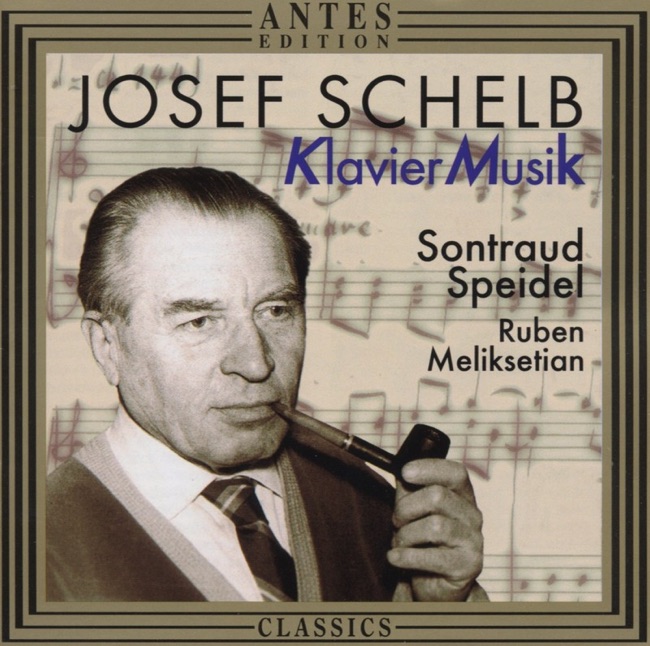 June 10, 2003
Chamber
-
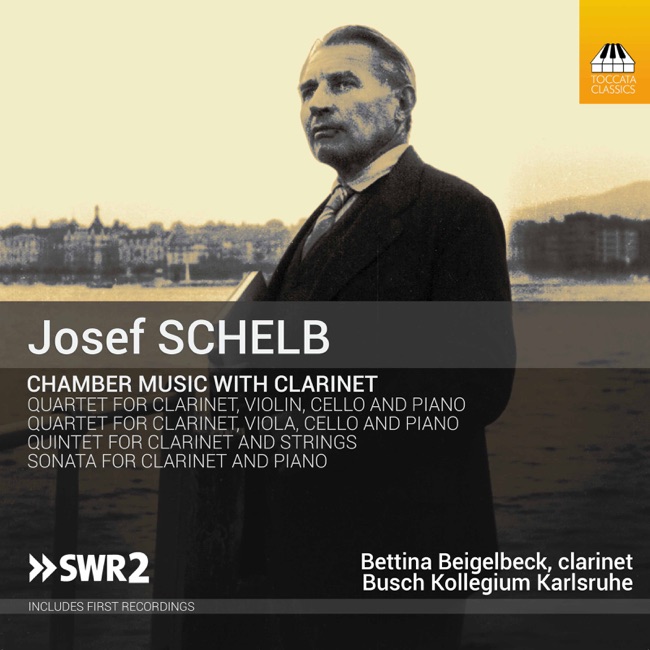 June 16, 2017
 -
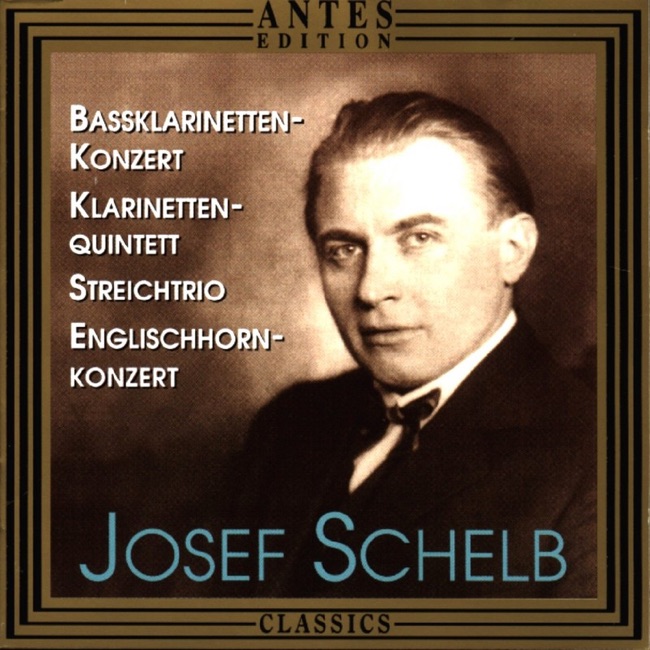 August 19, 2008
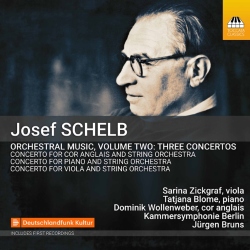
Orchestral
-
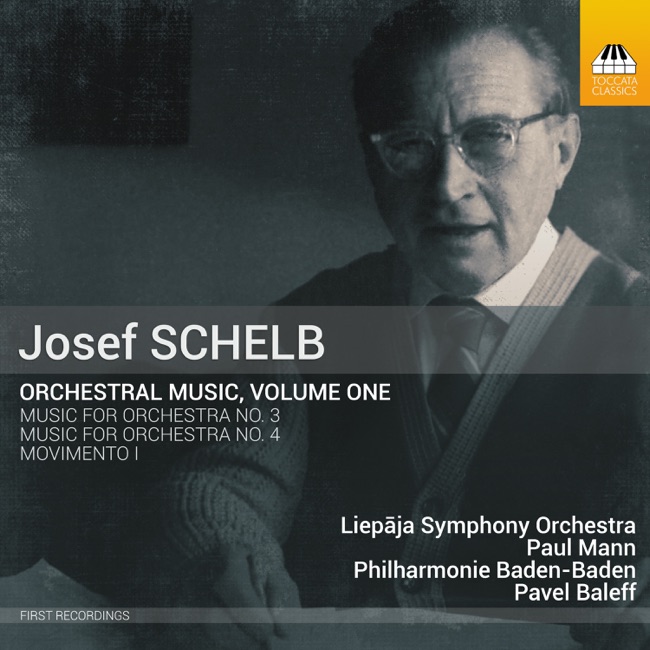 December 1, 2017
Artist Info
Role:ComposerCountry: GermanyBirth:1894 in Bad KrozingenDeath:1977 in Freiburg, GermanyJosef Schelb was a German composer who was born on March 20, 1894, in Baden-Baden, Germany. He was the son of a music teacher and grew up in a musical family. Schelb began his musical education at a young age, studying piano and violin with his father. He later studied composition with Max von Schillings and Heinrich Kaminski at the Hochschule für Musik in Berlin. Schelb's early compositions were influenced by the music of Richard Strauss and Gustav Mahler. However, he soon developed his own unique style, which was characterized by a blend of traditional tonality and modernist techniques. Schelb's music was often complex and challenging, but it was also deeply expressive and emotional. Schelb's career as a composer was interrupted by World War I, during which he served in the German army. After the war, he returned to his studies and began to establish himself as a composer. In 1923, he won the Mendelssohn Prize for his Symphony No. 1, which helped to bring him to the attention of the musical world. Throughout the 1920s and 1930s, Schelb continued to compose and to win critical acclaim for his work. He was particularly known for his chamber music, which included string quartets, piano trios, and sonatas for various instruments. Schelb's music was performed by some of the leading musicians of the day, including the pianist Edwin Fischer and the violinist Georg Kulenkampff. During World War II, Schelb's music was banned by the Nazi regime, which considered it to be "degenerate." Schelb was forced to go into hiding, and he was unable to compose or perform publicly for several years. After the war, he resumed his career as a composer and continued to produce a steady stream of works until his death in 1977. Schelb's music is characterized by its emotional intensity and its use of complex harmonies and rhythms. He was particularly interested in the use of counterpoint, and his music often features intricate interweaving of melodic lines. Schelb's music is also notable for its use of chromaticism and dissonance, which give it a modernist edge. Some of Schelb's most notable works include his Symphony No. 2, which was premiered in 1930 and is considered to be one of his most important works. The symphony is characterized by its use of complex rhythms and harmonies, as well as its emotional intensity. Schelb's String Quartet No. 2, which was composed in 1935, is also considered to be a masterpiece of chamber music. The quartet is notable for its use of counterpoint and its intricate interweaving of melodic lines. Schelb's Piano Concerto, which was composed in 1951, is another important work in his oeuvre. The concerto is characterized by its virtuosic piano writing and its use of complex harmonies and rhythms. Schelb's Sonata for Violin and Piano, which was composed in 1956, is also notable for its emotional intensity and its use of chromaticism and dissonance. In addition to his work as a composer, Schelb was also a respected music educator. He taught at the Hochschule für Musik in Stuttgart from 1927 to 1962, and he was known for his rigorous approach to teaching composition and music theory. Many of his students went on to become successful composers in their own right. Overall, Josef Schelb was a highly respected composer whose music was characterized by its emotional intensity and its use of complex harmonies and rhythms.More....
Recent Artist Music
Copyright Ⓒ 2013 Davinci Finger. All rights reseved
Service Terms & Policy