


William Grant Nabore
Released Album
Keyboard
-
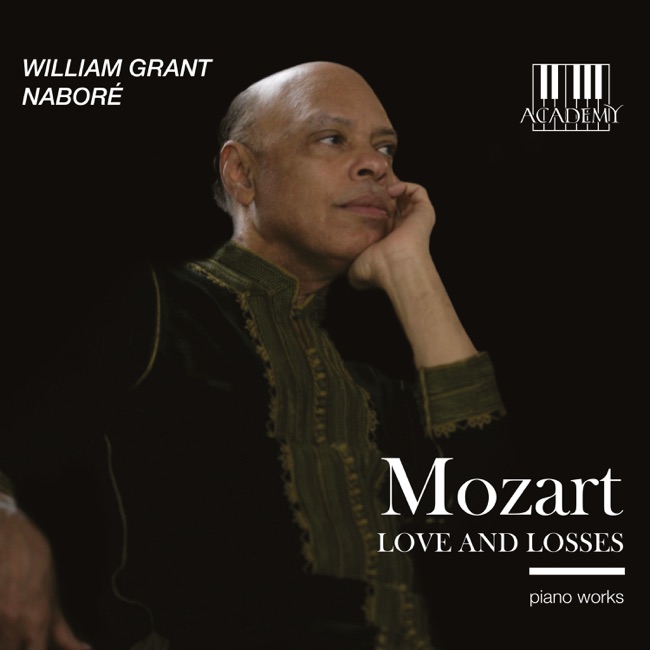 January 19, 2018
 -
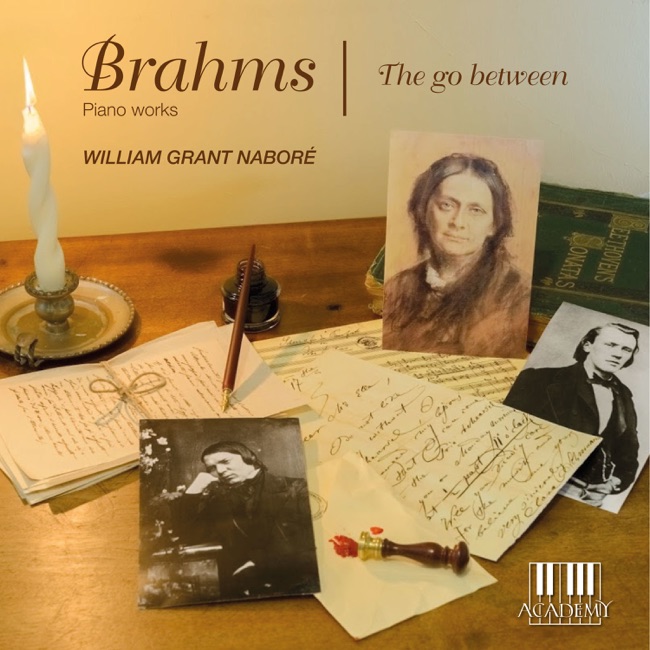 January 12, 2018
 -
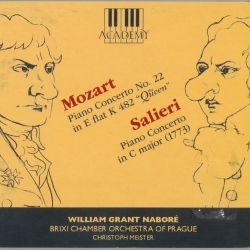
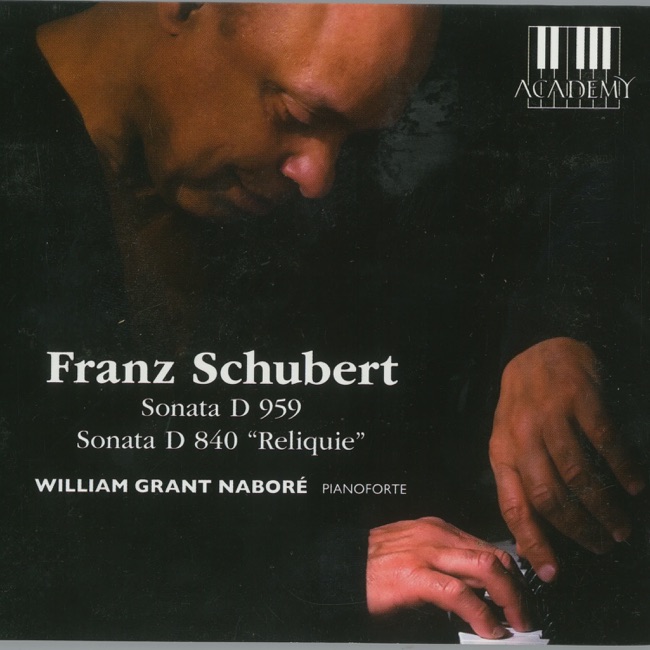 June 23, 2006
 -
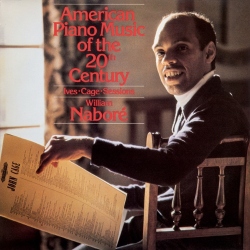
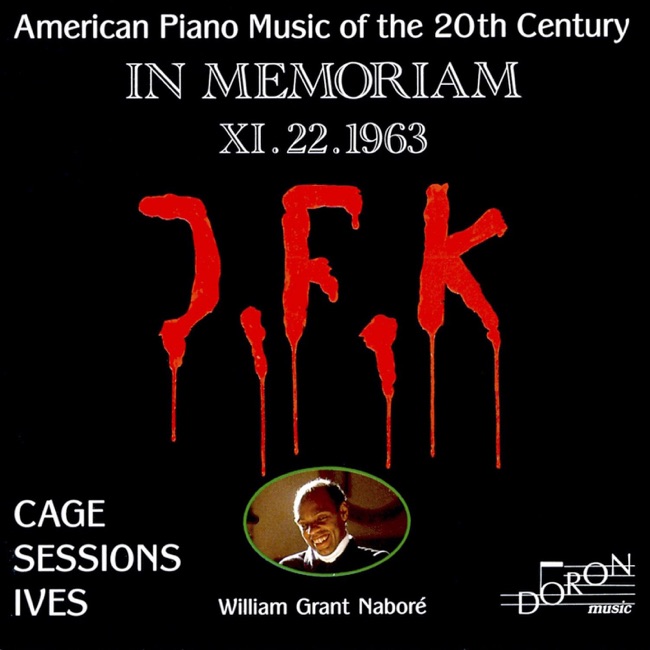 December 1, 1995
 -
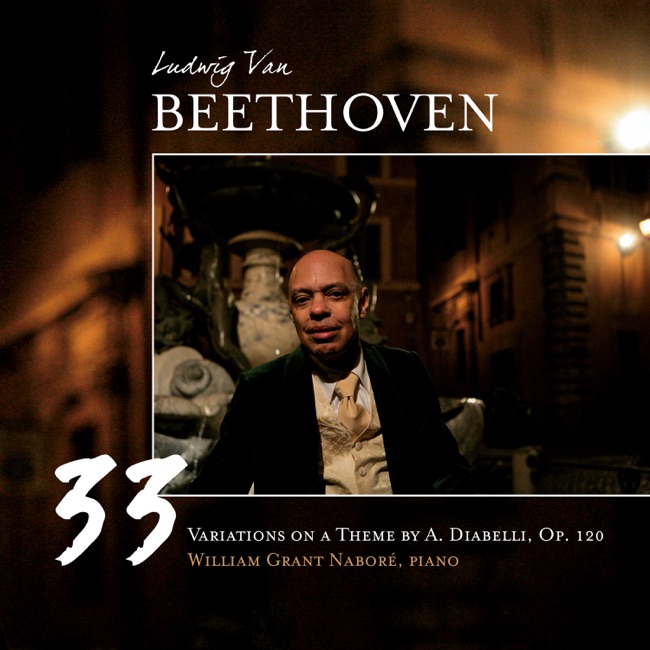 January 10, 1994
 -
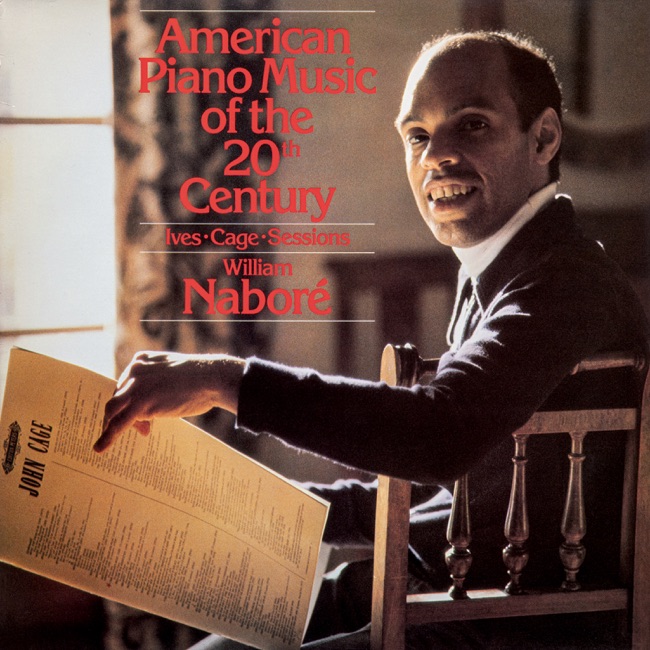
Concerto
Chamber
-
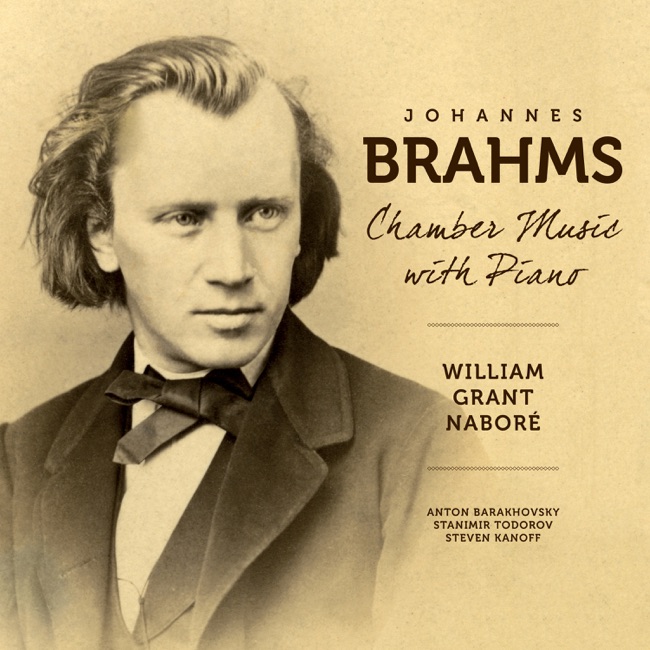 January 13, 1997
Artist Info
Period:RomanticModernGenre:ChamberKeyboardWilliam Grant Nabore was a prominent classical music artist who made significant contributions to the world of music. He was born on August 17, 1898, in Washington, D.C., to parents who were both musicians. His father, John Nabore, was a cornet player, and his mother, Sarah, was a pianist. William Grant Nabore showed an early interest in music and began playing the piano at the age of four. Nabore's parents recognized his talent and encouraged him to pursue music. He began taking piano lessons with his mother and later studied with several prominent teachers, including Harold Bauer and Ernest Hutcheson. Nabore's talent and dedication to music were evident from an early age, and he quickly gained recognition as a prodigy. In 1916, Nabore was awarded a scholarship to study at the Institute of Musical Art (now known as the Juilliard School) in New York City. He studied piano with Percy Grainger and composition with George Whitefield Chadwick. Nabore's time at the Institute of Musical Art was a turning point in his career, as he was exposed to a wide range of musical styles and began to develop his own unique voice as a composer and performer. After completing his studies at the Institute of Musical Art, Nabore embarked on a successful career as a concert pianist. He performed extensively throughout the United States and Europe, earning critical acclaim for his virtuosic playing and innovative interpretations of classical works. Nabore was particularly known for his performances of the music of Bach, Beethoven, and Chopin, and he was widely regarded as one of the greatest pianists of his time. In addition to his career as a performer, Nabore was also a prolific composer. He wrote music in a variety of styles, including classical, jazz, and popular music. His compositions were often inspired by his African American heritage, and he was a pioneer in incorporating elements of African American music into classical compositions. One of Nabore's most famous compositions is his Piano Concerto in One Movement, which he wrote in 1926. The concerto is a groundbreaking work that combines elements of classical music with jazz and blues. It was premiered by Nabore himself in 1928, and it quickly became one of his most popular works. Throughout his career, Nabore received numerous awards and honors for his contributions to music. In 1939, he became the first African American to perform with the New York Philharmonic, and he continued to break down barriers throughout his career. In 1963, he was awarded the Medal of Freedom by President John F. Kennedy, and in 1987, he was posthumously awarded the Pulitzer Prize for Music for his composition "Lilacs." Nabore's legacy as a musician and composer continues to inspire generations of musicians. His innovative approach to music and his dedication to breaking down barriers have made him a true icon in the world of classical music.More....
Recent Artist Music
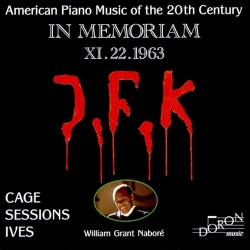
2
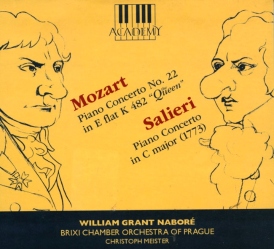
12:51
3
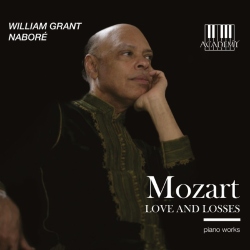
9:51
4
10:50
5
58
8
13:9
Copyright Ⓒ 2013 Davinci Finger. All rights reseved
Service Terms & Policy