


Anna Amalia von Sachsen-Weimar
Released Album
Vocal
-
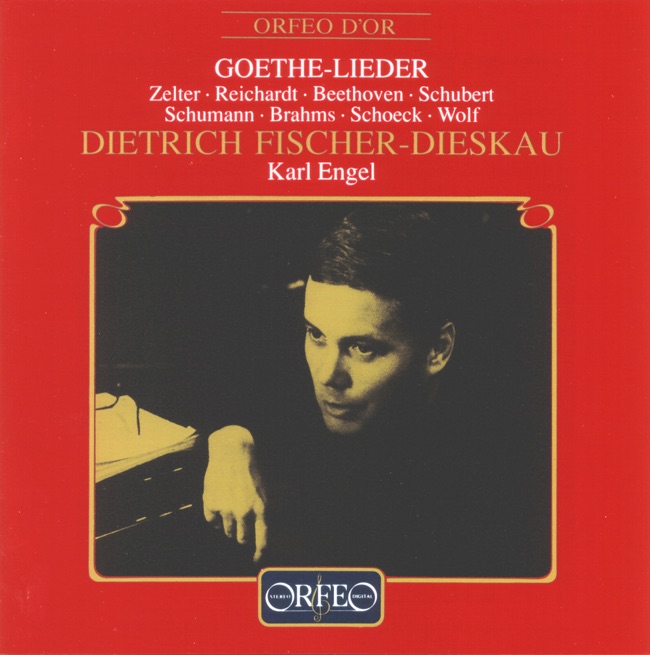 January 1, 2016
Chamber
-
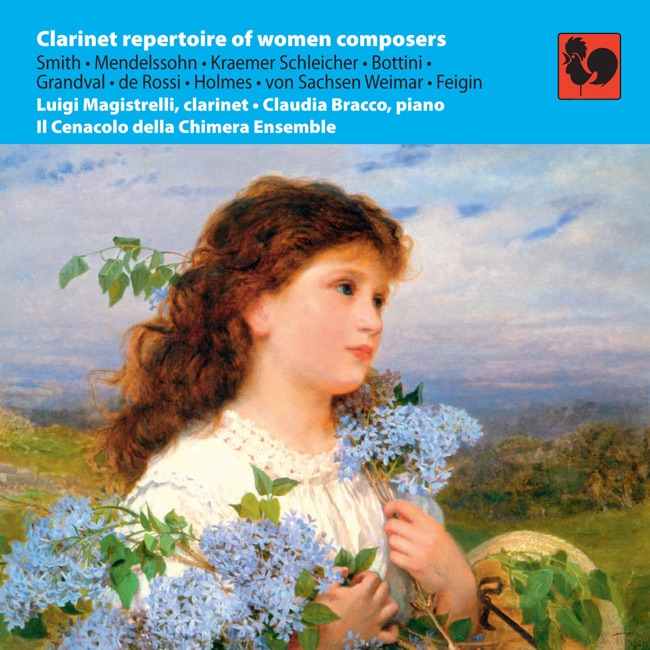 October 9, 2012
Artist Info
Role:ComposerBirth:1739Death:1807Period:ClassicalGenre:OperaVocalAnna Amalia von Sachsen-Weimar was a German composer and musician who lived from 1739 to 1807. She was born in Weimar, Germany, to Duke Ernst August II Konstantin of Saxe-Weimar-Eisenach and his wife, Princess Anna Amalia of Prussia. Her mother was a patron of the arts and encouraged Anna Amalia's musical education from a young age. Anna Amalia began her musical studies with Johann Philipp Kirnberger, a student of Johann Sebastian Bach. She also studied with Johann Gottfried Herder, a philosopher and writer who was a close friend of her mother. Herder introduced Anna Amalia to the works of Johann Wolfgang von Goethe, who would become a lifelong friend and collaborator. In 1756, Anna Amalia married Ernst August, Duke of Saxe-Weimar-Eisenach, and became the Duchess of Saxe-Weimar. She continued her musical studies and began composing her own works. Her first known composition is a set of keyboard variations on a theme by Georg Philipp Telemann. Anna Amalia's compositions were influenced by the music of her time, which was characterized by the galant style. This style emphasized melody and elegance, and was popular in the mid-18th century. Anna Amalia's works often featured simple, singable melodies and graceful accompaniments. One of Anna Amalia's most famous works is her Sonata in F Major for Piano. This piece is a prime example of the galant style, with its light, flowing melody and delicate accompaniment. The sonata was published in 1783 and became popular throughout Europe. Anna Amalia also composed vocal music, including songs and cantatas. Her cantata "Die Wahl des Herkules" (The Choice of Hercules) was performed in Weimar in 1772 and was well-received. The cantata tells the story of Hercules choosing between the paths of virtue and vice, and features arias and recitatives for solo voice and orchestra. In addition to her own compositions, Anna Amalia was a patron of the arts and supported other musicians and composers. She invited Johann Nepomuk Hummel to Weimar and supported his career. She also commissioned works from other composers, including Wolfgang Amadeus Mozart. Anna Amalia's musical career was interrupted by the Napoleonic Wars, which devastated Weimar and forced her to flee to Gotha. She returned to Weimar in 1815 and continued to support the arts until her death in 1807. Today, Anna Amalia is remembered as a pioneering female composer and musician. Her works are still performed and recorded, and she is recognized as an important figure in the history of classical music.More....
Recent Artist Music
2
5:20
3
1:57
4
1:57
Copyright Ⓒ 2013 Davinci Finger. All rights reseved
Service Terms & Policy