


Diomedes Cato
Released Album
Chamber
-
 May 26, 2015
 -
 May 25, 2010
 -
-
 April 27, 2004
Keyboard
-
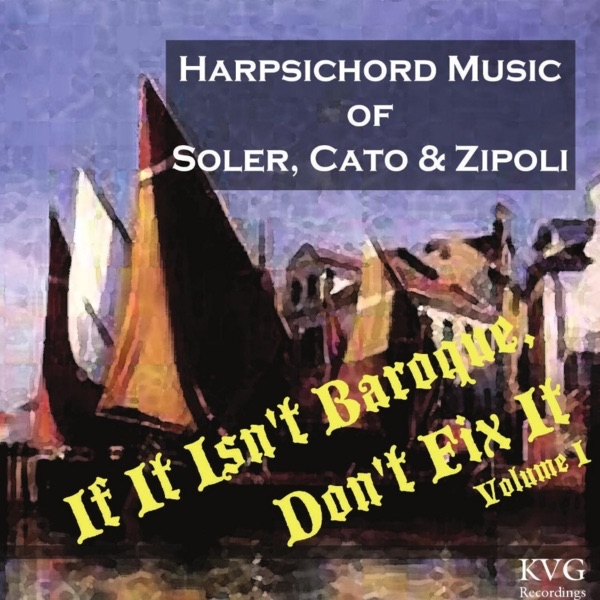 September 1, 2010
Miscellaneous
-
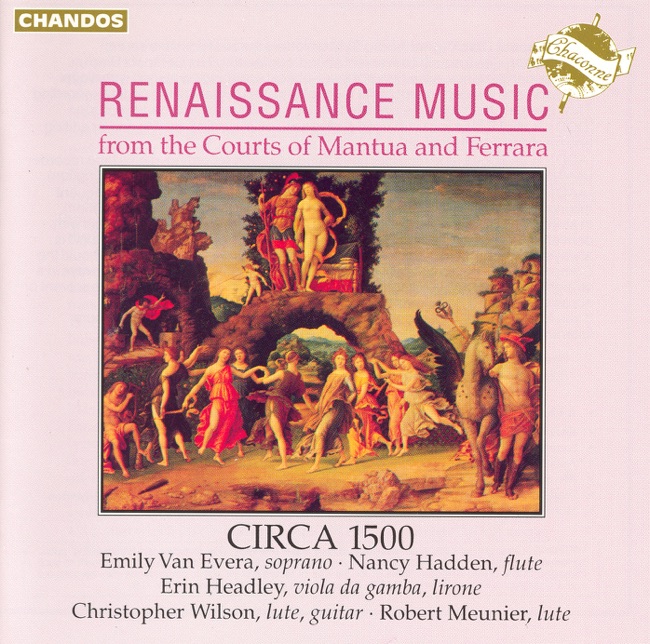 March, 1992
Artist Info
Role:ComposerCountry: ItalyBirth:before 1570Death:after 1607Period:RenaissanceGenre:ChamberDiomedes Cato was a prominent Italian composer of the Baroque era, known for his contributions to the development of instrumental music. Born in 1570 in the city of Cagliari, on the island of Sardinia, Cato was the son of a noble family. His father, Giovanni Cato, was a musician and composer, and it was under his tutelage that Diomedes began his musical education. Cato's early years were spent in Sardinia, where he received a thorough education in music theory and composition. He showed a natural talent for the keyboard and quickly became proficient in playing the organ and harpsichord. In his teenage years, Cato moved to Rome to further his studies, where he was exposed to the works of the great composers of the time, including Palestrina, Gabrieli, and Monteverdi. In Rome, Cato became a member of the Accademia di Santa Cecilia, a prestigious organization of musicians and composers. He quickly gained a reputation as a skilled performer and composer, and his works began to be performed in churches and other venues throughout the city. Cato's early compositions were primarily vocal works, including motets and madrigals, but he soon began to focus on instrumental music. Cato's instrumental works were groundbreaking for their time, as they incorporated elements of the new Baroque style that was emerging in Italy. His compositions were characterized by their use of complex harmonies, virtuosic keyboard passages, and intricate counterpoint. Cato's keyboard works, in particular, were highly regarded, and he became known as one of the foremost keyboard composers of his time. One of Cato's most famous works is his collection of keyboard pieces, titled "Il Primo Libro di Toccate." Published in 1610, this collection contains 23 pieces for keyboard, including toccatas, canzonas, and dances. The pieces are notable for their technical difficulty and their use of chromaticism and dissonance, which were relatively new concepts in keyboard music at the time. Cato's other instrumental works include sonatas for various instruments, including the violin, cello, and recorder. These works were also highly innovative, incorporating new techniques and forms that would later become standard in Baroque instrumental music. Cato's sonatas were notable for their use of the trio sonata form, which featured two melody instruments and a basso continuo accompaniment. In addition to his instrumental works, Cato also composed a number of vocal works, including operas and oratorios. His most famous vocal work is his oratorio, "La Deposizione dalla Croce," which tells the story of the crucifixion of Jesus Christ. The work is notable for its dramatic intensity and its use of complex choral and instrumental textures. Cato's contributions to the development of instrumental music were significant, and his works had a lasting impact on the composers who came after him. His use of complex harmonies, virtuosic keyboard passages, and intricate counterpoint paved the way for the development of the Baroque style, which would dominate European music for the next century. Despite his significant contributions to music, Cato's life and career are relatively obscure. He lived and worked during a time of great musical innovation, and his works were overshadowed by those of his more famous contemporaries, such as Monteverdi and Corelli. Nevertheless, Cato's legacy lives on through his music, which continues to be performed and studied by musicians and scholars around the world.More....
Recent Artist Music
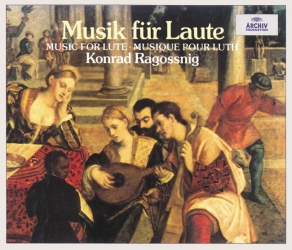
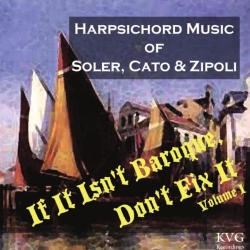
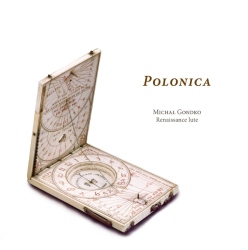
10
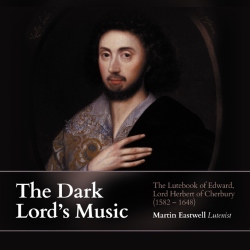
5:29

Copyright Ⓒ 2013 Davinci Finger. All rights reseved
Service Terms & Policy