


Bruno Bettinelli
Released Album
Chamber
-
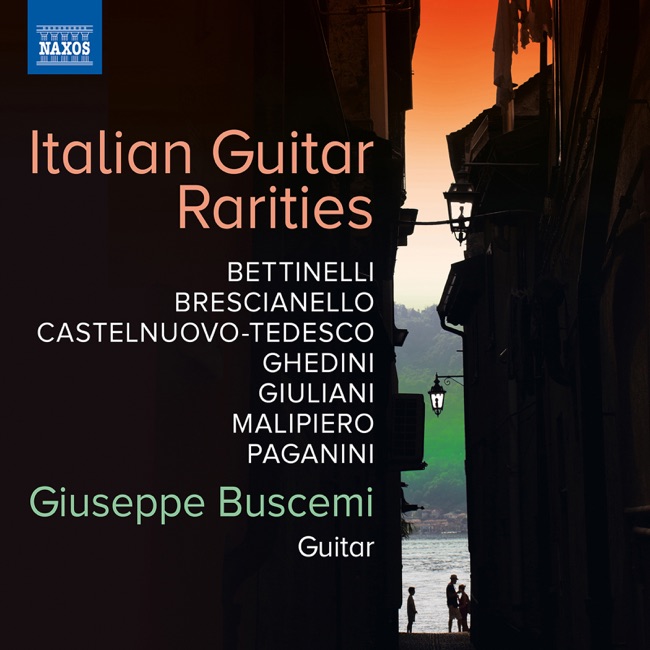 June 24, 2022
 -
-

-
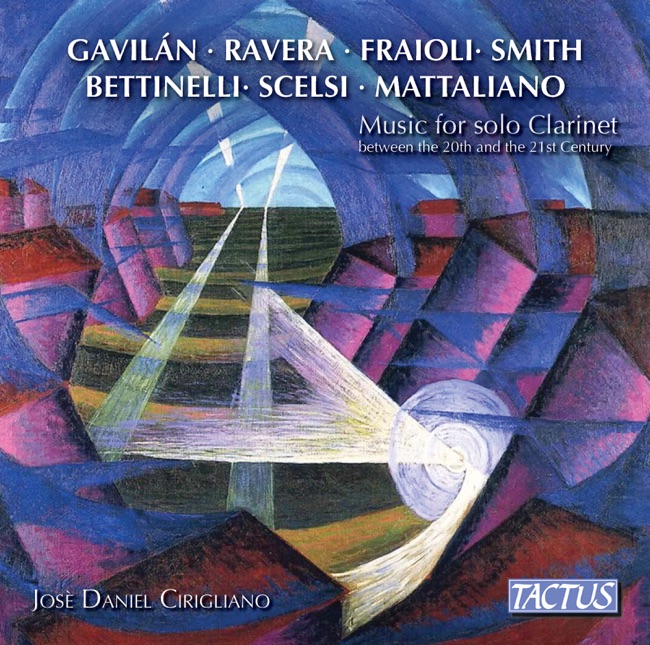
 June 3, 2013
 -
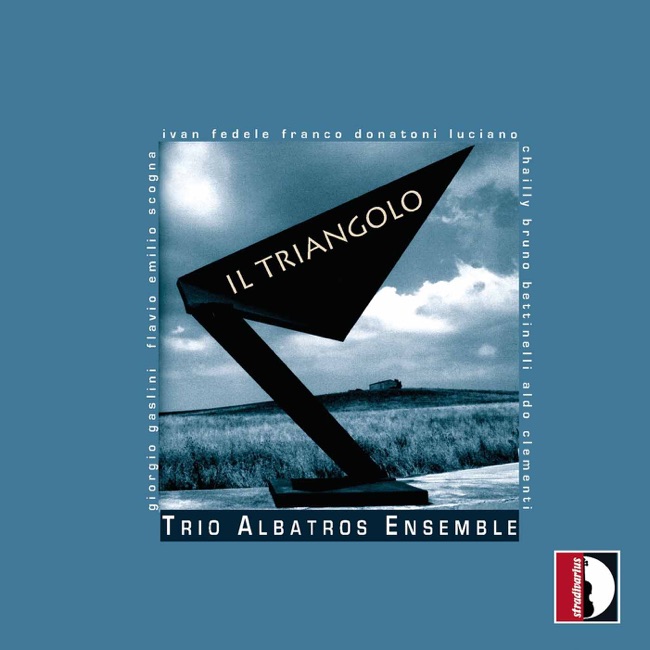 April 11, 2006
 -
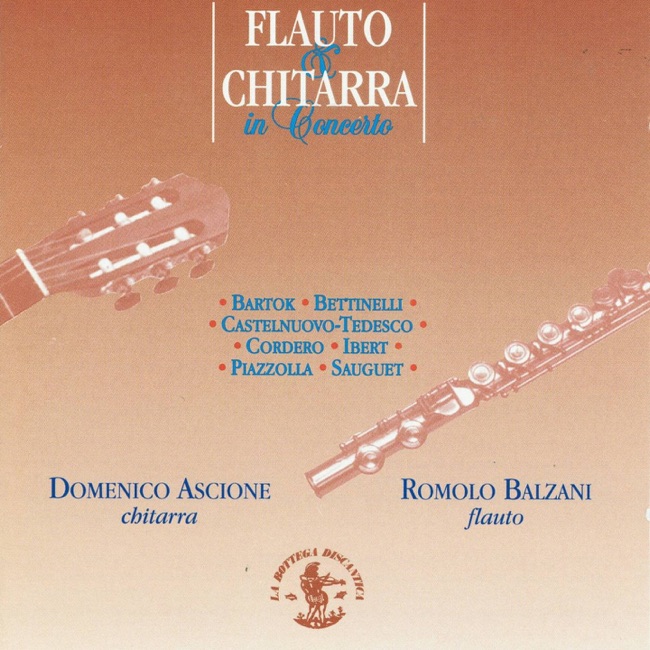 March 3, 1995
Keyboard
-
 April 5, 2019
 -
 April 16, 1995
Artist Info
Role:Composer ConductorCountry: ItalyBirth:June 4, 1913 in Milan, ItalyDeath:November 8, 2004Period:ContemporaryGenre:ChamberKeyboardOrchestralBruno Bettinelli was an Italian composer who was born on June 8, 1913, in Milan, Italy. He was the son of a music teacher and grew up in a musical family. Bettinelli began his musical studies at a young age, learning to play the piano and violin. He later studied composition with Ildebrando Pizzetti at the Milan Conservatory. Bettinelli's early works were influenced by the neoclassical style of Stravinsky and Hindemith. He also drew inspiration from the Italian Renaissance and Baroque periods. His first major work, the Concerto for Orchestra, was premiered in 1942 and received critical acclaim. This work showcased Bettinelli's skill in orchestration and his ability to blend traditional and modern elements. During World War II, Bettinelli served in the Italian army and was captured by the Germans. He spent time in a prisoner of war camp, where he continued to compose music. After the war, he returned to Milan and resumed his career as a composer and music teacher. Bettinelli's music continued to evolve throughout his career. He experimented with serialism and other modern techniques, but always maintained a connection to traditional forms and styles. His works include operas, ballets, symphonies, chamber music, and vocal music. One of Bettinelli's most famous works is the opera La cena delle beffe (The Jesters' Supper), which premiered in 1949. The opera is based on a play by Sem Benelli and tells the story of two rival jesters who compete for the love of a woman. The music is dramatic and intense, with a mix of traditional and modern elements. Another notable work is the ballet La luna (The Moon), which premiered in 1950. The ballet is based on a story by Hans Christian Andersen and tells the story of a young girl who falls in love with the moon. The music is ethereal and dreamlike, with a mix of orchestral and electronic sounds. Bettinelli's Symphony No. 2, which premiered in 1953, is another important work. The symphony is in three movements and showcases Bettinelli's skill in orchestration and his ability to blend traditional and modern elements. The music is dramatic and intense, with a mix of tonal and atonal elements. Bettinelli's later works include the opera Il libro dell'inquietudine (The Book of Disquiet), which premiered in 1982, and the String Quartet No. 3, which premiered in 1985. These works show Bettinelli's continued experimentation with modern techniques while maintaining a connection to traditional forms and styles. Bettinelli was also a respected music educator. He taught composition at the Milan Conservatory and was a mentor to many young composers. He was known for his dedication to his students and his willingness to help them develop their own unique voices. Bettinelli received many honors and awards throughout his career. He was a member of the Accademia Nazionale di Santa Cecilia and the Accademia dei Lincei. He was also awarded the Order of Merit of the Italian Republic and the Order of Merit of the Federal Republic of Germany. Bettinelli died on August 8, 2004, in Milan, Italy. He left behind a legacy of innovative and influential music, as well as a generation of composers who were inspired by his teachings and mentorship.More....
Recent Artist Music




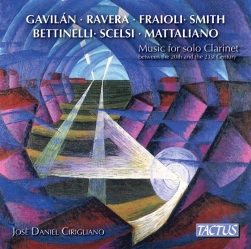
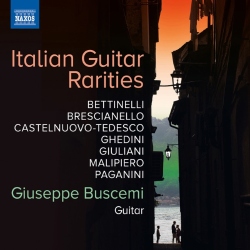
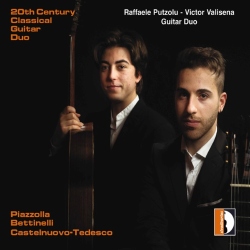
11
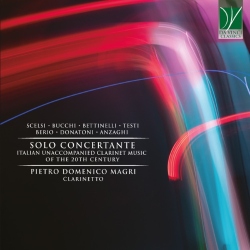
6:23
Copyright Ⓒ 2013 Davinci Finger. All rights reseved
Service Terms & Policy