


George French
Released Album
Orchestral
-
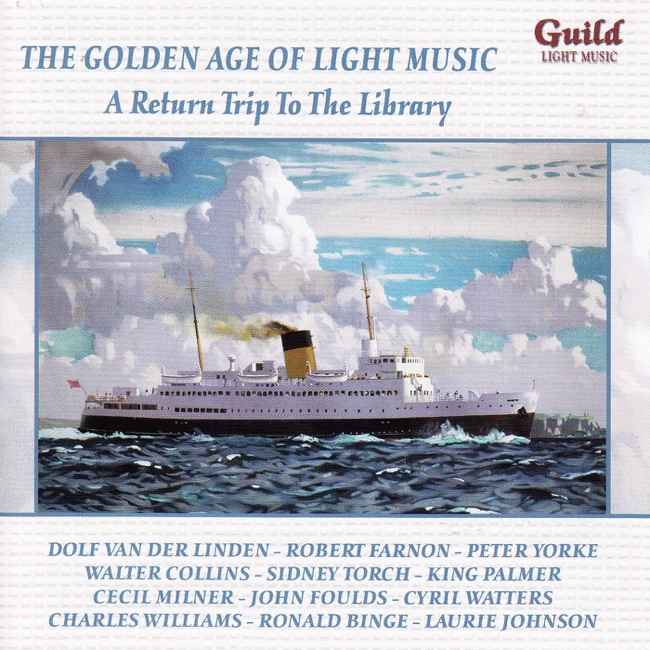 November 7, 2011
 -
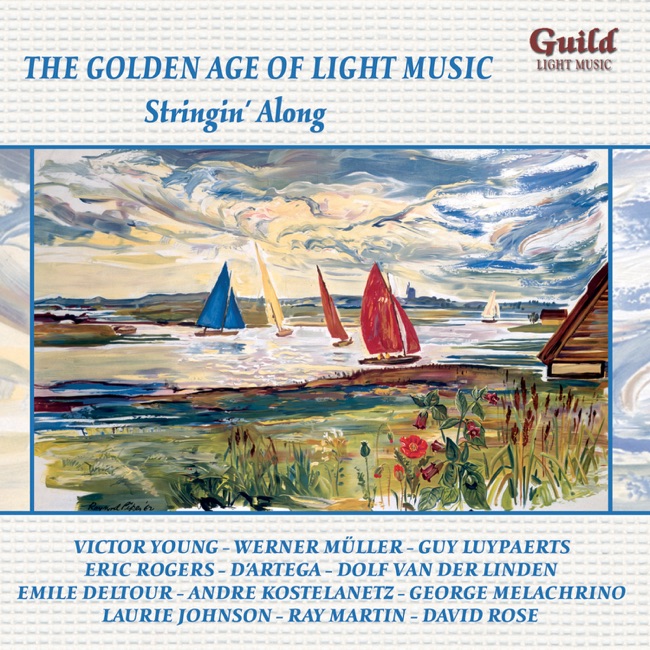 November 11, 2008
Artist Info
Role:ComposerGeorge French was a prominent classical music composer who lived from 1902 to 1984. He was born in London, England, and showed an early interest in music. His parents were both musicians, and they encouraged him to pursue his passion for music. French began his formal music education at the age of six, when he started taking piano lessons. He quickly showed a talent for the instrument, and by the age of ten, he was performing in public. He continued his piano studies throughout his childhood and adolescence, and also began to study composition. In 1920, French enrolled at the Royal Academy of Music in London, where he studied composition with Frederick Corder and piano with Tobias Matthay. He was a dedicated student, and he quickly made a name for himself as a talented composer. His early works were well-received, and he began to attract the attention of prominent musicians and music critics. French's music was characterized by its lyricism, its use of rich harmonies, and its emotional depth. He was influenced by the music of the Romantic era, particularly the works of composers such as Brahms, Schumann, and Chopin. He also drew inspiration from the music of his contemporaries, including Stravinsky, Bartok, and Schoenberg. French's early works included a number of piano pieces, as well as chamber music and songs. One of his most notable early works was his Piano Sonata No. 1, which he composed in 1924. The sonata was praised for its technical virtuosity and its emotional intensity, and it helped to establish French as a major talent in the world of classical music. In the 1930s, French began to focus more on orchestral music. He composed a number of works for orchestra, including his Symphony No. 1, which he completed in 1935. The symphony was a major success, and it was performed by orchestras throughout Europe and the United States. French's music continued to evolve throughout the 1940s and 1950s. He experimented with new forms and techniques, and he began to incorporate elements of jazz and popular music into his compositions. One of his most notable works from this period was his Concerto for Piano and Orchestra, which he composed in 1952. The concerto was praised for its innovative use of rhythm and harmony, and it helped to establish French as a composer who was willing to take risks and push the boundaries of classical music. In the 1960s and 1970s, French continued to compose prolifically. He wrote a number of works for chamber ensembles, as well as several operas and ballets. One of his most notable works from this period was his opera The Tempest, which he composed in 1968. The opera was based on Shakespeare's play of the same name, and it was praised for its inventive use of orchestration and its emotional depth. French's music was widely performed and recorded throughout his lifetime, and it continues to be performed and studied today. His legacy as a composer is characterized by his dedication to emotional expression, his technical virtuosity, and his willingness to experiment with new forms and techniques. He remains one of the most important and influential composers of the 20th century, and his music continues to inspire and captivate audiences around the world.More....
Recent Artist Music
Copyright Ⓒ 2013 Davinci Finger. All rights reseved
Service Terms & Policy