


Giorgio Federico Ghedini
Released Album
Concerto
-
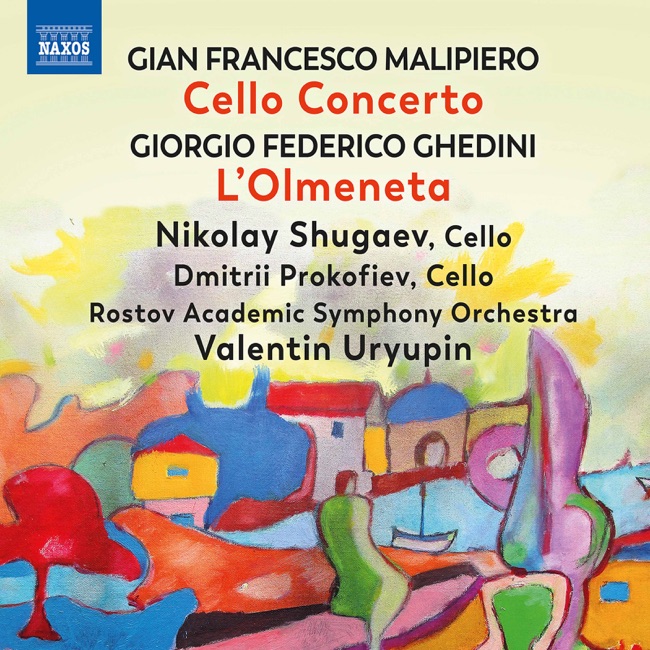
-
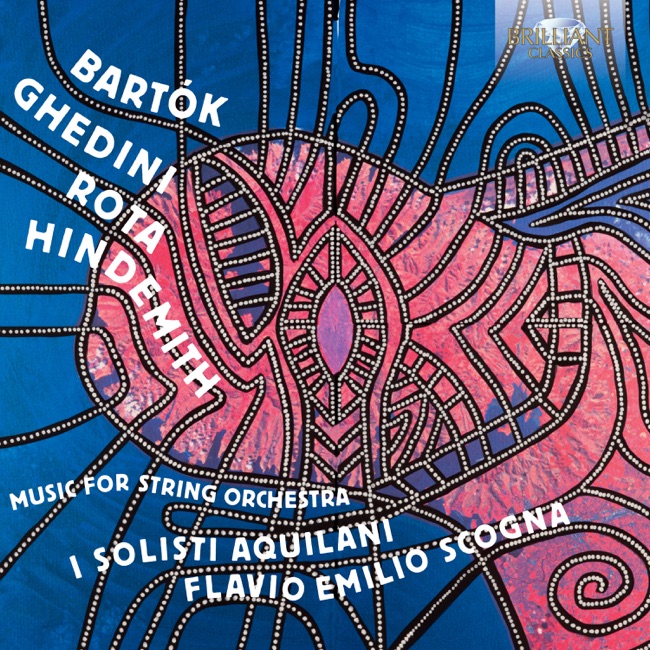
-
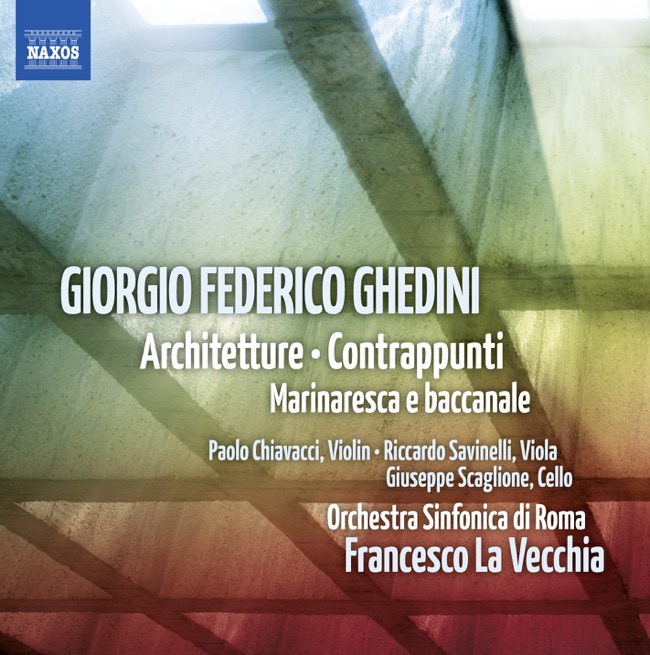
-
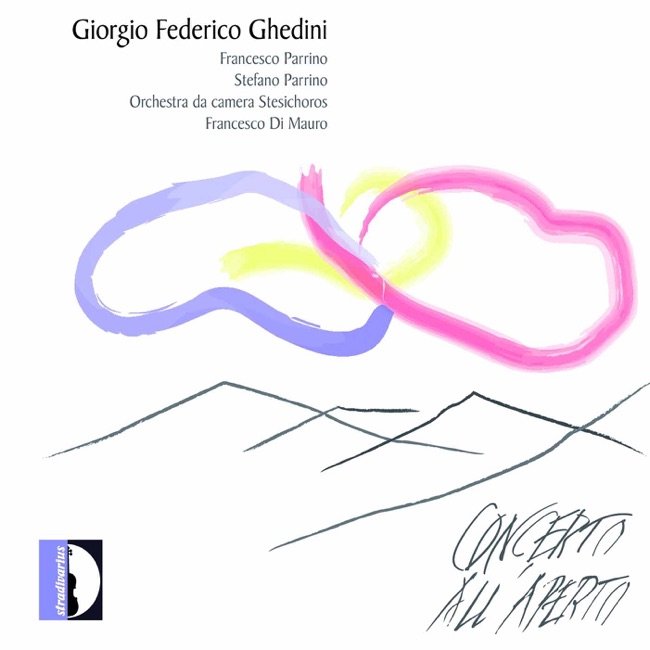 September 14, 2010
Chamber
-
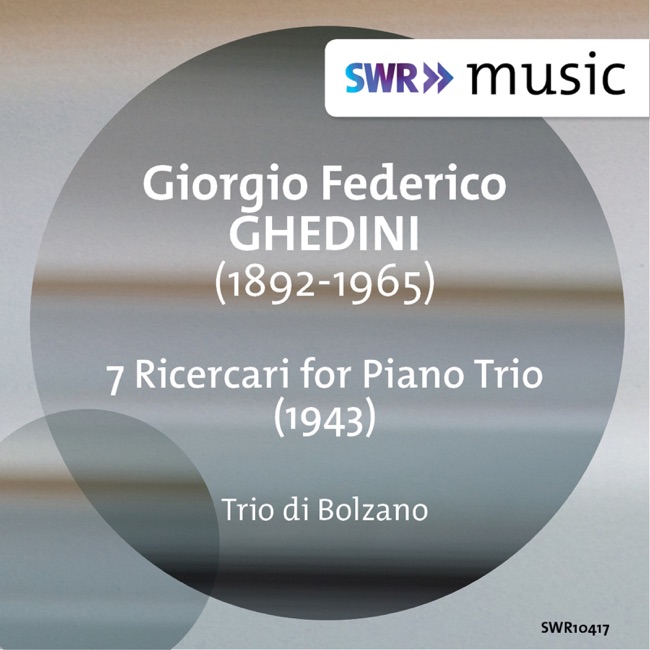 February 16, 2018
 -
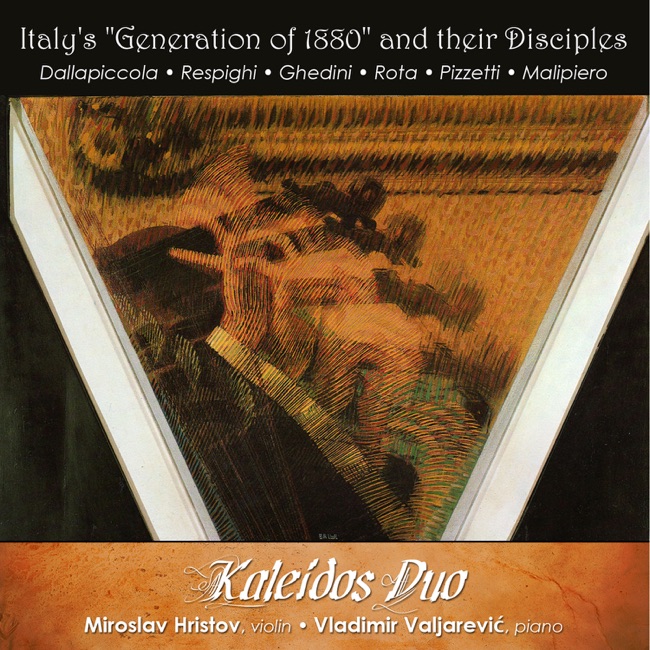 April 15, 2014
 -
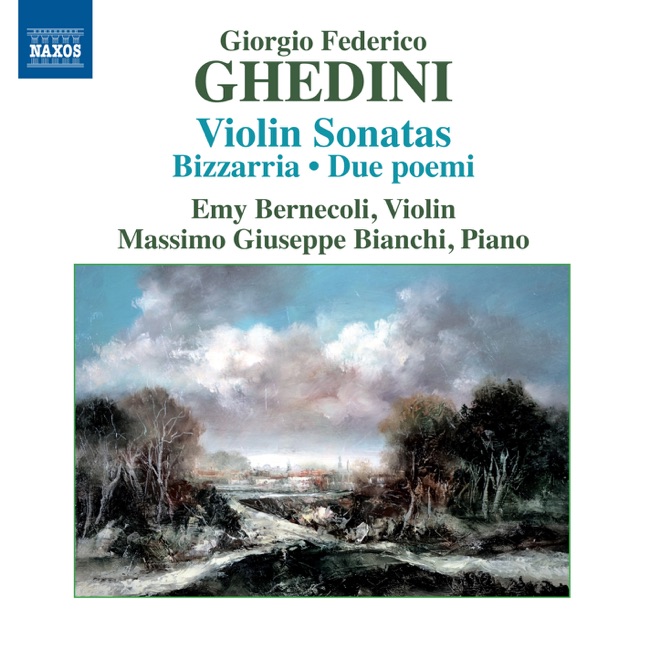 May 28, 2013
 -
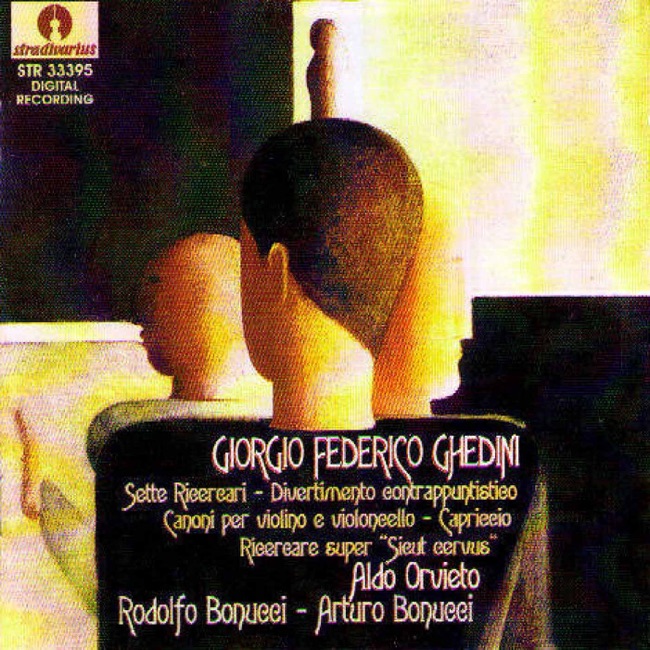 February 12, 2008
 -
Keyboard
-
 May 20, 2022
 -
 January 25, 2011
 -
 November 16, 2010
 -
 November 25, 2003
Miscellaneous
Artist Info
Role:ComposerCountry: ItalyBirth:July 11, 1892 in Cuneo, ItalyDeath:March 25, 1965 in NerviPeriod:ModernGenre:ChamberConcertoKeyboardVocalGiorgio Federico Ghedini was an Italian composer and music educator who was born on July 11, 1892, in Cuneo, Italy. He was the son of a music teacher and grew up in a musical family. His father, Carlo Ghedini, was a violinist and composer, and his mother, Maria Luisa, was a pianist. Ghedini showed an early interest in music and began studying the piano and violin at a young age. Ghedini's musical education began at the Conservatory of Parma, where he studied composition with Guido Alberto Fano and Giuseppe Martucci. He also studied piano with Carlo Alberto Pizzini and violin with Cesare Ferraresi. After completing his studies at the conservatory, Ghedini moved to Milan, where he continued his musical education at the Scuola Superiore di Musica. There, he studied composition with Ildebrando Pizzetti and Gian Francesco Malipiero. In 1914, Ghedini began his career as a music educator, teaching at the Conservatory of Bologna. He remained there for over 30 years, eventually becoming the director of the conservatory in 1940. During his time at the conservatory, Ghedini taught many notable composers, including Luciano Berio, Aldo Clementi, and Franco Donatoni. Ghedini's compositions were influenced by a variety of musical styles, including Italian folk music, Gregorian chant, and the music of J.S. Bach. His early works were characterized by a neoclassical style, but he later moved towards a more modernist approach. Ghedini's music was often experimental, incorporating unusual harmonies and rhythms. One of Ghedini's most famous works is his Concerto for Piano and Orchestra, which was composed in 1926. The concerto is notable for its use of polytonality and its unconventional structure. The piece is divided into three movements, but the second movement is actually a cadenza for the piano, which leads directly into the final movement. Another notable work by Ghedini is his Quartetto d'archi, which was composed in 1932. The piece is a string quartet that is characterized by its use of dissonance and unconventional harmonies. The quartet is divided into four movements, each of which explores a different mood and musical idea. Ghedini also composed several operas, including La pulce d'oro (The Golden Flea), which was premiered in 1951. The opera is based on a story by Carlo Gozzi and is notable for its use of a large orchestra and chorus. The music is characterized by its use of dissonance and unconventional harmonies. In addition to his work as a composer and music educator, Ghedini was also a music critic. He wrote for several Italian newspapers and magazines, including La Stampa and Il Corriere della Sera. Ghedini was also a member of the Italian National Academy of Santa Cecilia and the Accademia dei Lincei. Ghedini continued to compose and teach until his death on March 25, 1965, in Nervi, Italy. His legacy as a composer and music educator continues to be celebrated today, and his works are still performed and studied by musicians around the world.More....
Recent Artist Music
14
11:27
Copyright Ⓒ 2013 Davinci Finger. All rights reseved
Service Terms & Policy