


Harald Fryklöf
Released Album
Keyboard
-
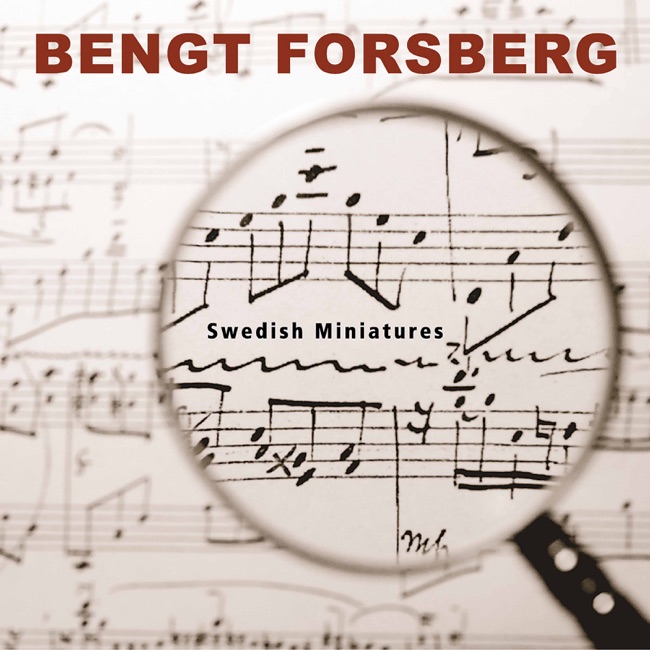 January 17, 2020
 -
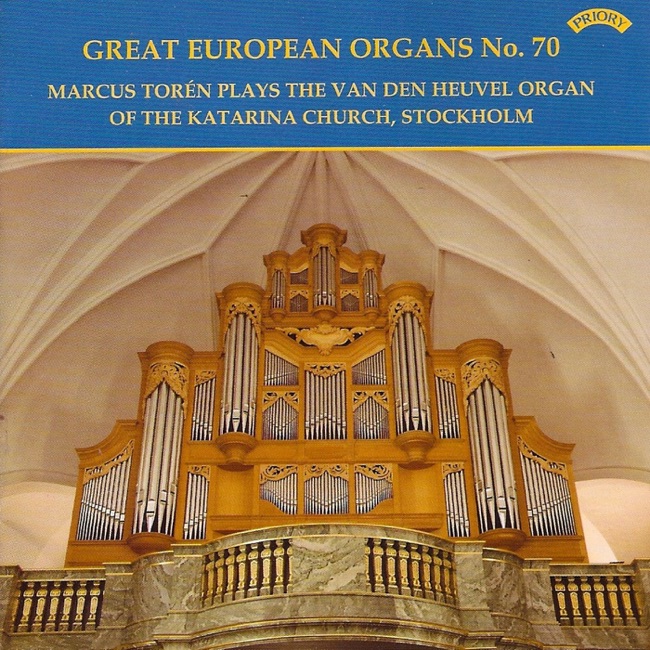
-
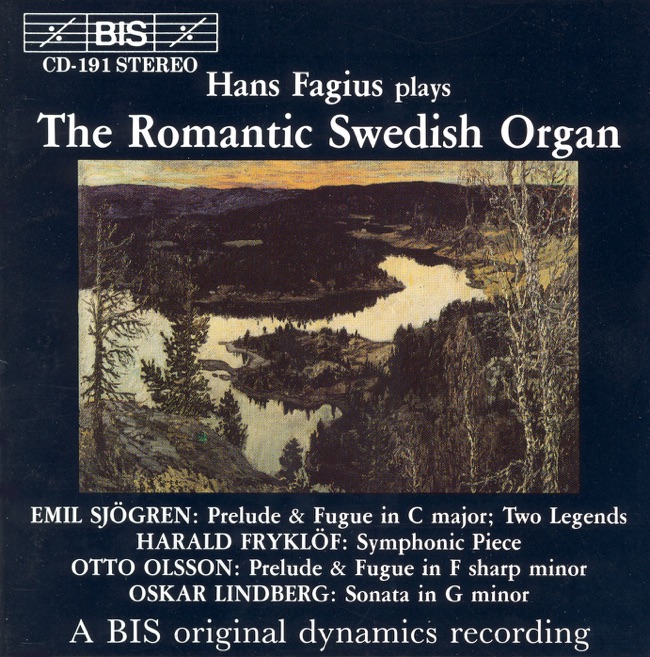 March 25, 1994
 -
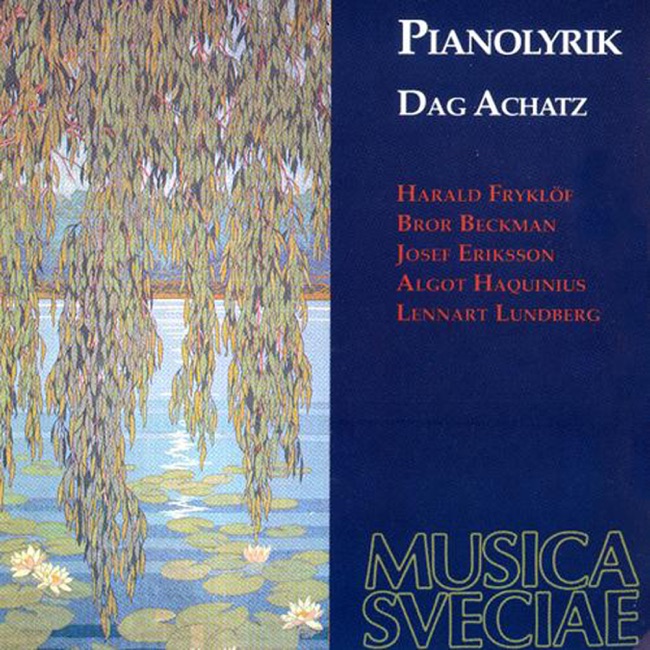 January 1, 1993
Artist Info
Role:ComposerBirth:September 14, 1882Death:March 11, 1919Period:ModernGenre:KeyboardHarald Fryklöf was a Swedish composer and conductor who lived from 1882 to 1919. He was born in the town of Västerås, Sweden, on May 22, 1882, to a family of musicians. His father, Carl Fryklöf, was a well-known conductor and composer, and his mother, Anna Fryklöf, was a singer. Harald showed an early interest in music and began studying piano and violin at a young age. In 1898, at the age of 16, Harald Fryklöf entered the Royal College of Music in Stockholm, where he studied composition with Johan Lindegren and piano with Richard Andersson. He was a talented student and quickly gained recognition for his musical abilities. In 1902, he won the Royal Swedish Academy of Music's prize for composition, which allowed him to study in Berlin for a year. During his time in Berlin, Fryklöf studied with the renowned composer and conductor Arthur Nikisch. He also attended concerts and operas, which exposed him to a wide range of musical styles and influences. Fryklöf's time in Berlin was a formative period in his musical development, and he returned to Sweden with a renewed sense of purpose and direction. In 1904, Fryklöf was appointed conductor of the Gävle Symphony Orchestra, a position he held for three years. During this time, he also continued to compose, and his works began to gain recognition both in Sweden and abroad. In 1907, he was awarded the Jenny Lind scholarship, which allowed him to study in Paris for a year. In Paris, Fryklöf studied with the composer and conductor Vincent d'Indy, who was a leading figure in the French musical scene at the time. Fryklöf was deeply influenced by d'Indy's ideas about music and composition, and he returned to Sweden with a new approach to his work. Fryklöf's compositions from this period reflect his interest in French music and his growing sense of individuality as a composer. His works are characterized by their rich harmonies, colorful orchestration, and expressive melodies. Some of his most notable works from this period include the Symphony in D minor, Op. 10, and the Suite for Orchestra, Op. 12. In 1910, Fryklöf was appointed conductor of the Gothenburg Symphony Orchestra, a position he held until his death in 1919. During his time in Gothenburg, Fryklöf continued to compose and conduct, and he became a leading figure in the Swedish musical scene. He was known for his innovative programming and his commitment to promoting new music. Fryklöf's compositions from this period reflect his growing maturity as a composer and his deepening interest in Swedish folk music. His works are characterized by their use of folk melodies and rhythms, as well as their incorporation of elements of Swedish nature and landscape. Some of his most notable works from this period include the Symphony No. 2 in F major, Op. 20, and the Suite for Small Orchestra, Op. 22. Fryklöf's life and career were tragically cut short when he died of pneumonia in 1919, at the age of 37. His death was a great loss to the Swedish musical scene, and his works have since been largely forgotten. However, in recent years, there has been a renewed interest in Fryklöf's music, and his works are once again being performed and recorded. In conclusion, Harald Fryklöf was a talented and innovative composer and conductor who made significant contributions to the Swedish musical scene.More....
Recent Artist Music
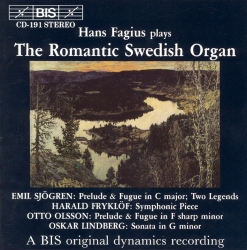
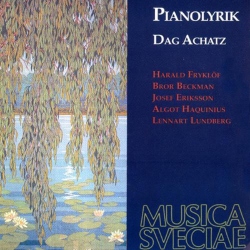
4
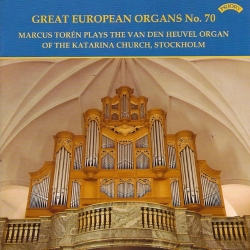
14:32
Copyright Ⓒ 2013 Davinci Finger. All rights reseved
Service Terms & Policy