


Julius Weismann
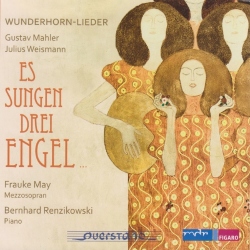
Released Album
Chamber
-
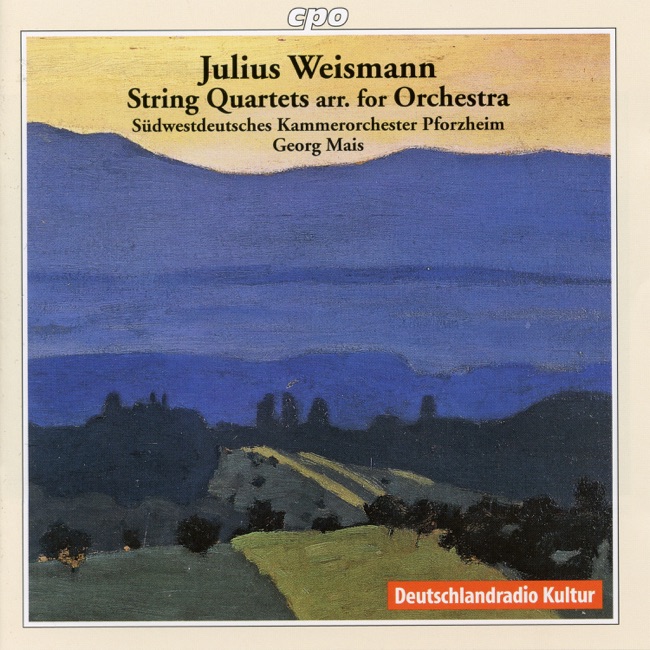 November 16, 2010
 -
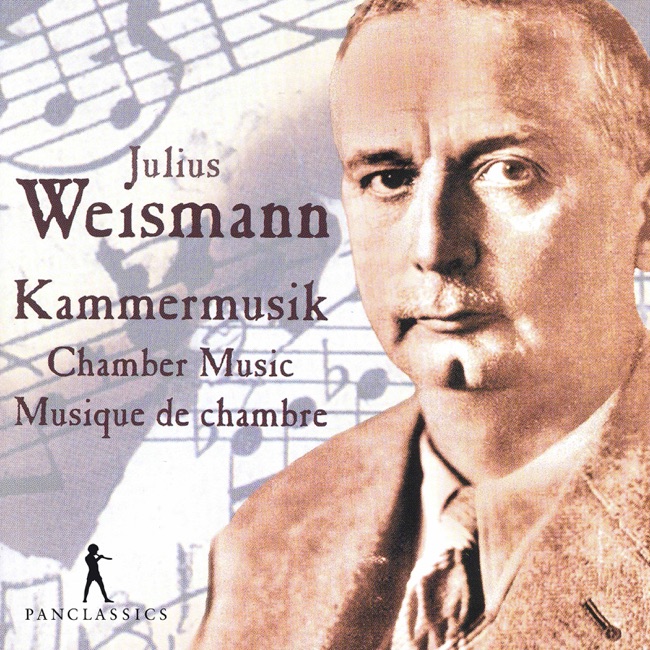 October 30, 2001
Vocal
-
 November 2, 2018
 -
Concerto
-
 October 20, 1998
Artist Info
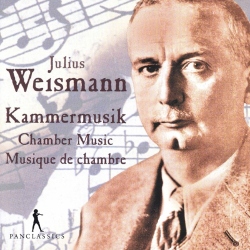
Role:ComposerBirth:1879Death:1950Period:ModernGenre:KeyboardVocalJulius Weismann was a German composer and conductor who lived from 1879 to 1950. He was born in Berlin to a family of musicians, and his father was a well-known conductor and composer. Weismann showed an early interest in music and began studying piano and composition at a young age. Weismann's musical education continued at the Hochschule für Musik in Berlin, where he studied with renowned composers such as Max Bruch and Engelbert Humperdinck. He also studied conducting with Arthur Nikisch, one of the most famous conductors of the time. After completing his studies, Weismann began his career as a conductor, leading orchestras in Berlin, Munich, and other cities throughout Germany. He also continued to compose, and his works began to gain recognition in the early 1900s. One of Weismann's most famous works is his opera "Die Dorfschule" (The Village School), which premiered in 1909. The opera tells the story of a young schoolteacher who falls in love with a wealthy landowner's daughter. The work was well-received and helped establish Weismann's reputation as a composer. Weismann continued to compose throughout his career, writing works for orchestra, chamber ensembles, and solo instruments. He was particularly known for his skill in writing for the piano, and his piano music is still performed today. In addition to his work as a composer, Weismann was also a respected conductor. He led orchestras in Berlin, Munich, and other cities throughout Germany, and he was known for his interpretations of the works of Beethoven, Brahms, and other composers. Weismann's career was interrupted by World War I, during which he served in the German army. After the war, he returned to his musical career, but he found that the musical landscape had changed. The rise of atonal and experimental music made it difficult for Weismann's more traditional style to gain recognition. Despite this, Weismann continued to compose and conduct, and he remained active in the German musical scene until his death in 1950. Today, his music is still performed and recorded, and he is remembered as an important figure in the history of German classical music.More....
Recent Artist Music
2
2:21
Copyright Ⓒ 2013 Davinci Finger. All rights reseved
Service Terms & Policy