


Horacio Uribe
Released Album
Chamber
-
 September 30, 2016
 -
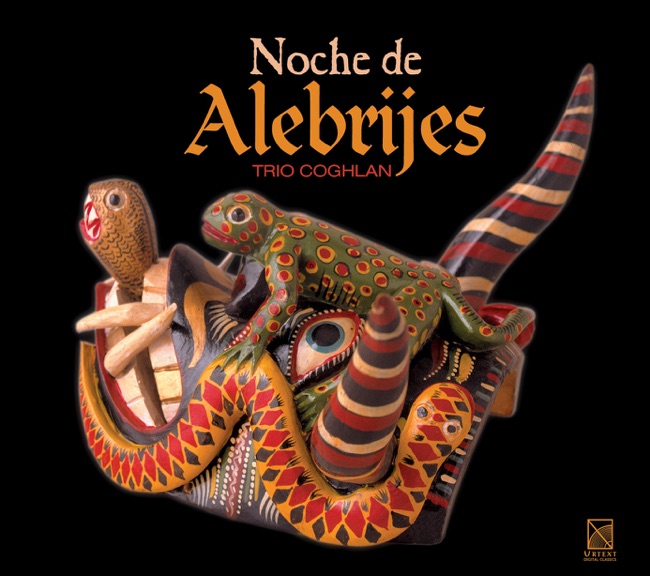 January 6, 2004
Artist Info
Role:ComposerBirth:1970Period:ContemporaryGenre:ChamberHoracio Uribe was a renowned classical music composer who was born on August 22, 1933, in Bogotá, Colombia. He was the son of a prominent Colombian composer, Guillermo Uribe Holguín, who was also a musicologist and a professor at the National University of Colombia. Horacio Uribe grew up in a musical family and was exposed to music from a very young age. He started playing the piano at the age of six and showed a natural talent for music. Uribe's musical education began at the National Conservatory of Music in Bogotá, where he studied piano, composition, and conducting. He later went on to study at the Juilliard School in New York, where he received a scholarship to study composition with Vincent Persichetti. Uribe also studied with other renowned composers such as Aaron Copland, Luigi Dallapiccola, and Nadia Boulanger. Uribe's early compositions were influenced by the neoclassical style of Stravinsky and the twelve-tone technique of Schoenberg. However, he later developed his own unique style that blended elements of Colombian folk music with modernist techniques. Uribe's music was characterized by its rhythmic complexity, colorful harmonies, and use of unconventional instruments. One of Uribe's most significant works is his Concerto for Guitar and Orchestra, which was commissioned by the Colombian government in 1972. The concerto was written for the Colombian guitarist, Alirio Díaz, and premiered in Bogotá in 1973. The piece is a fusion of Colombian folk music and classical music and features intricate guitar solos and colorful orchestration. Another notable work by Uribe is his Symphony No. 1, which was premiered by the National Symphony Orchestra of Colombia in 1965. The symphony is a four-movement work that showcases Uribe's unique style and features complex rhythms and harmonies. The piece was well-received by audiences and critics alike and established Uribe as one of the leading composers in Colombia. Uribe's other works include chamber music, vocal music, and orchestral works. Some of his notable chamber music works include his String Quartet No. 1 and his Sonata for Flute and Piano. His vocal music includes his song cycle, Canciones de la Tierra, which features settings of poems by Colombian poets. Uribe's orchestral works include his Suite Colombiana, which is a collection of Colombian folk tunes arranged for orchestra. In addition to his work as a composer, Uribe was also a respected music educator. He taught at the National University of Colombia and the National Conservatory of Music in Bogotá. He also served as the director of the National Symphony Orchestra of Colombia from 1974 to 1976. Uribe's contributions to Colombian music were recognized with numerous awards and honors. He was awarded the National Prize for Music in 1972 and was named a Knight of the Order of Arts and Letters by the French government in 1985. He was also awarded the Order of San Carlos by the Colombian government in 1993. Horacio Uribe passed away on December 22, 2013, at the age of 80. His legacy as a composer and educator continues to inspire generations of Colombian musicians. His music remains an important part of the Colombian classical music repertoire and is celebrated for its unique blend of Colombian folk music and modernist techniques.More....
Recent Artist Music

Copyright Ⓒ 2013 Davinci Finger. All rights reseved
Service Terms & Policy