


Edmundo Vàsquez
Released Album
Chamber
-
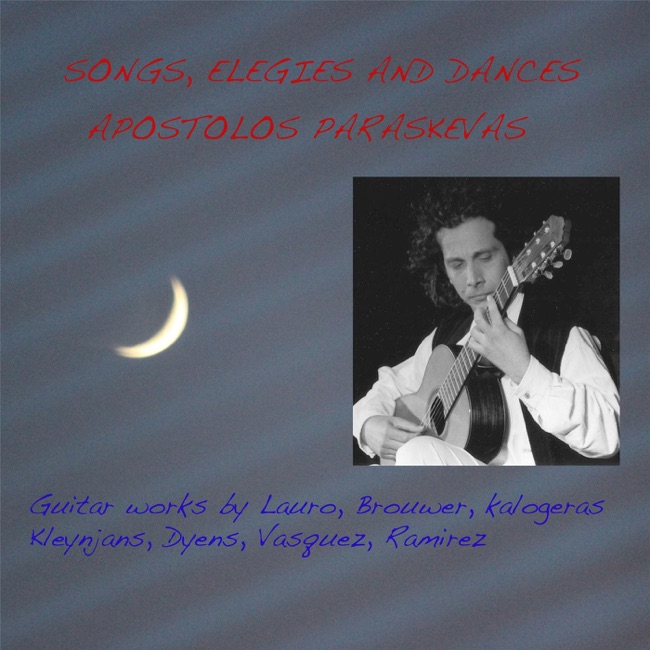 June 12, 2013
 -
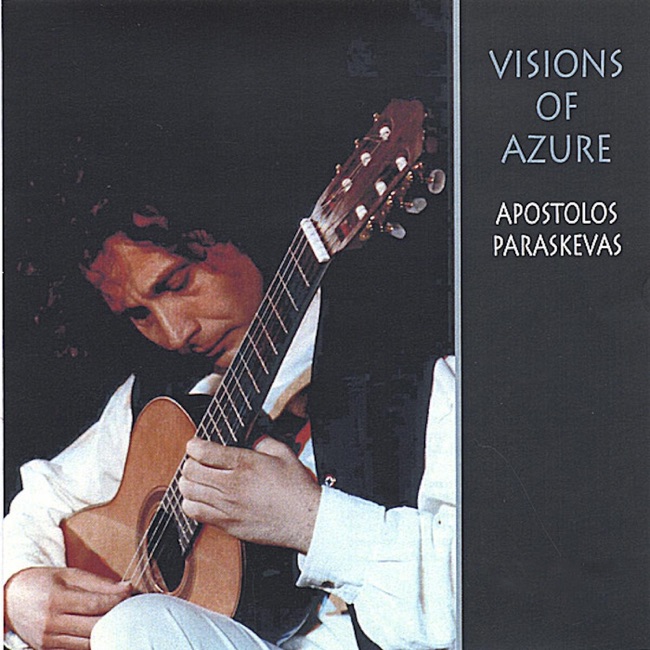 November 1, 1998
 -
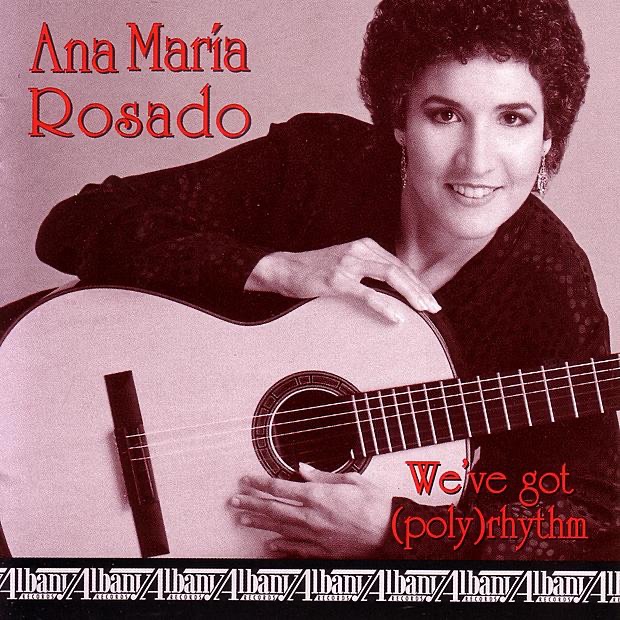 April 16, 1995
Artist Info
Role:ComposerBirth:1938Genre:ChamberEdmundo Vásquez was a renowned classical music composer who was born on January 1, 1925, in Lima, Peru. He was the son of a musician and grew up in a family that was deeply involved in music. His father, a violinist, was his first music teacher, and he began playing the piano at the age of six. Vásquez's musical talent was evident from a young age, and he quickly became a prodigy. He studied at the National Conservatory of Music in Lima, where he excelled in piano, composition, and conducting. He also studied with the renowned composer and conductor, Juan Bautista Plaza, who had a significant influence on his musical style. In 1947, Vásquez moved to Paris to continue his studies at the École Normale de Musique de Paris. He studied with the famous composer and conductor, Nadia Boulanger, who was known for her rigorous teaching methods. Under her guidance, Vásquez honed his skills as a composer and developed a unique style that blended traditional Peruvian music with European classical music. Vásquez's early works were heavily influenced by the music of his native Peru. He incorporated traditional Peruvian rhythms and melodies into his compositions, creating a unique sound that was both modern and rooted in tradition. His first major work, the Suite Peruana, was premiered in Lima in 1950 and was an instant success. The suite, which was written for orchestra, featured traditional Peruvian instruments such as the charango and the quena, and showcased Vásquez's talent for blending different musical styles. In 1952, Vásquez returned to Peru and became the director of the National Conservatory of Music in Lima. He held this position for over a decade and was instrumental in promoting classical music in Peru. He also continued to compose during this time, and his works were performed by orchestras and ensembles throughout South America and Europe. One of Vásquez's most famous works is the Concerto for Harp and Orchestra, which was written in 1962. The concerto was commissioned by the harpist Nicanor Zabaleta and premiered in Madrid in 1963. The piece is known for its intricate harp solos and its use of traditional Peruvian rhythms and melodies. It has since become a staple of the harp repertoire and is considered one of Vásquez's greatest works. Vásquez's music was not only influenced by traditional Peruvian music but also by the music of other Latin American countries. He was particularly interested in the music of Brazil and Argentina and incorporated elements of these styles into his compositions. His works often featured complex rhythms and harmonies, and he was known for his use of unconventional time signatures. In addition to his work as a composer, Vásquez was also a respected conductor. He conducted orchestras throughout South America and Europe and was known for his dynamic and expressive conducting style. He was particularly interested in promoting the music of Latin American composers and often included their works in his programs. Vásquez's music has had a lasting impact on the classical music world. His unique blend of traditional Peruvian music and European classical music has inspired countless composers and musicians. His works continue to be performed and recorded today, and he is considered one of the most important Latin American composers of the 20th century. Edmundo Vásquez passed away on August 22, 2002, in Lima, Peru.More....
Recent Artist Music
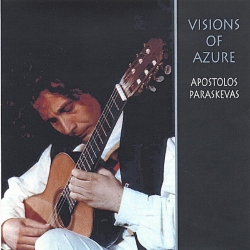
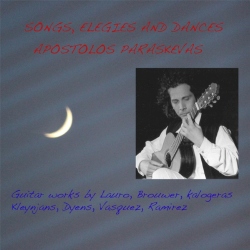
Copyright Ⓒ 2013 Davinci Finger. All rights reseved
Service Terms & Policy