


Uzong Chae
Released Album
Keyboard
-
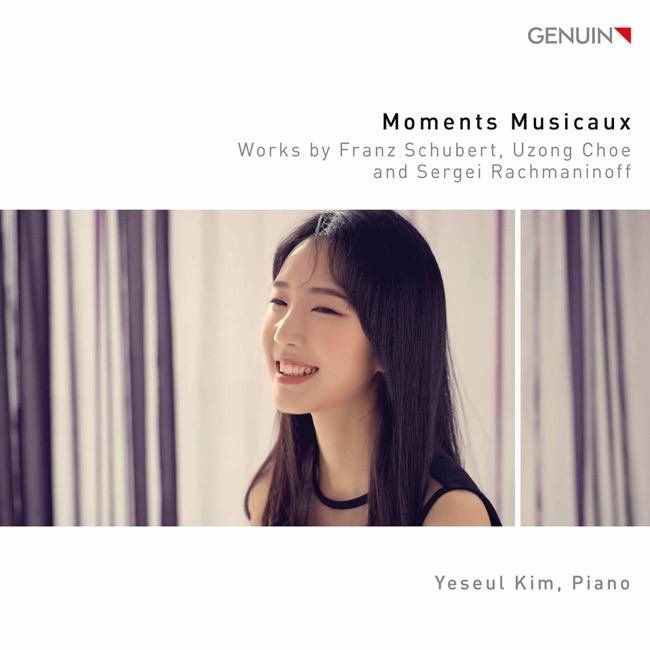
-
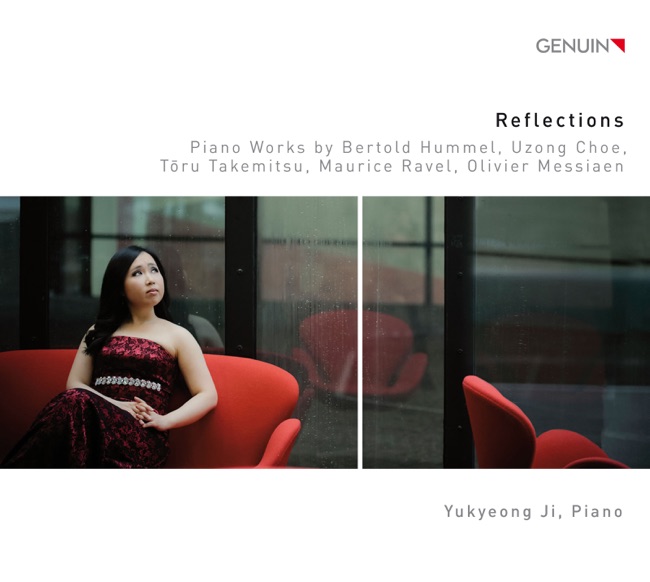 July 20, 2018
 -
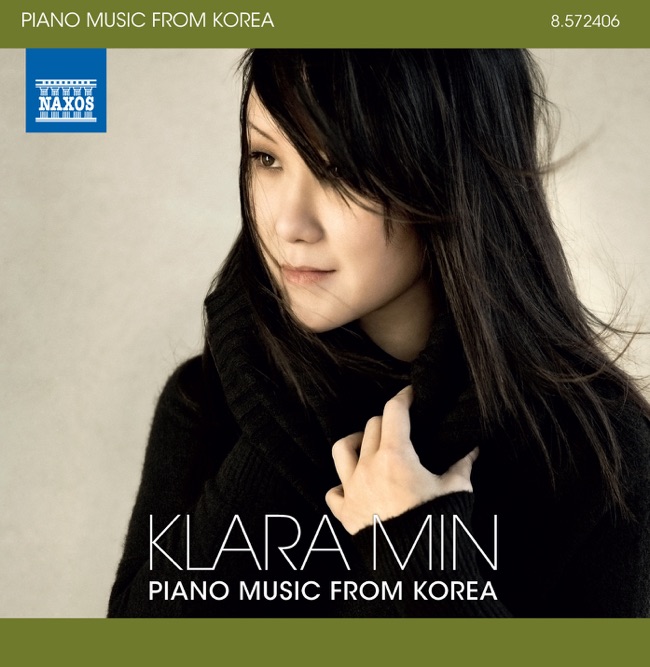 July 26, 2011
Artist Info
Role:ComposerUzong Chae was a classical music composer born on May 12, 1956, in Seoul, South Korea. He was the youngest of three children and grew up in a family that valued education and the arts. His father was a professor of literature, and his mother was a pianist who taught music at a local school. From a young age, Chae showed a keen interest in music and began playing the piano at the age of four. Chae's parents recognized his talent and enrolled him in music lessons at a young age. He studied piano with several renowned teachers in South Korea and quickly became known for his exceptional musical abilities. Chae's parents also encouraged him to explore other areas of music, and he began studying composition and music theory in his teenage years. In 1974, Chae enrolled at Seoul National University to study music composition. He studied under several prominent composers, including Lee Hye-kyung and Kim Young-dong. During his time at the university, Chae began to develop his unique style of composition, which blended traditional Korean music with Western classical music. After graduating from Seoul National University in 1978, Chae continued his studies in Europe. He spent several years studying composition in Germany and France, where he was exposed to a wide range of musical styles and techniques. Chae's time in Europe had a profound impact on his music, and he began to incorporate elements of European classical music into his compositions. Chae's early works were heavily influenced by traditional Korean music. He often used traditional Korean instruments, such as the gayageum and the daegeum, in his compositions. His music was also characterized by its use of pentatonic scales and rhythmic patterns that were common in traditional Korean music. One of Chae's most famous early works is his "Gayageum Concerto," which he composed in 1982. The concerto features the gayageum, a traditional Korean stringed instrument, and is a beautiful example of Chae's ability to blend traditional Korean music with Western classical music. The concerto has been performed by orchestras around the world and is considered one of Chae's most significant works. In the 1990s, Chae began to incorporate more elements of Western classical music into his compositions. He began to experiment with different forms and structures, and his music became more complex and challenging. Despite these changes, Chae's music continued to be characterized by its unique blend of traditional Korean music and Western classical music. One of Chae's most famous works from this period is his "Symphony No. 1," which he composed in 1995. The symphony is a beautiful example of Chae's ability to blend different musical styles and techniques. The work is characterized by its use of traditional Korean instruments, such as the daegeum and the janggu, and its incorporation of Western classical music forms, such as the sonata and the fugue. Chae continued to compose music throughout the 2000s and 2010s. His later works were characterized by their use of electronic music and their incorporation of elements of jazz and rock music. Despite these changes, Chae's music continued to be characterized by its unique blend of traditional Korean music and Western classical music. One of Chae's most famous works from this period is his "Electronic Symphony," which he composed in 2010. The symphony is a beautiful example of Chae's ability to blend different musical styles and techniques.More....
Recent Artist Music
Copyright Ⓒ 2013 Davinci Finger. All rights reseved
Service Terms & Policy