


Aquitanian Repertory Anonymous
Released Album
Choral
-
 October 5, 2018
 -
 August 27, 2013
 -
 October 24, 2011
 -
 January 28, 2008
 -
 March 13, 2007
 -
Vocal
-
 October 9, 2015
Artist Info
Role:ComposerCountry: FranceBirth:in Limoges, FranceDeath:ca. 1250 in Limoges, FrancePeriod:MedievalGenre:ChoralVocalAquitanian Repertory Anonymous is a classical music composer whose birth and life remain shrouded in mystery. The composer is known only by the name given to a collection of works attributed to them, the Aquitanian Repertory. The Aquitanian Repertory is a collection of music from the 12th century that was discovered in the 19th century in the Aquitaine region of France. The collection contains a variety of sacred and secular music, including hymns, sequences, and tropes. The Aquitanian Repertory is believed to have been composed by a group of musicians who were active in the Aquitaine region during the 12th century. The region was a center of musical activity during this time, and the Aquitanian Repertory is one of the most important collections of music from this period. The composers who contributed to the collection are believed to have been monks and clerics who were associated with the monasteries and cathedrals of the region. The music in the Aquitanian Repertory is characterized by its use of complex rhythms and harmonies. The composers who contributed to the collection were known for their innovative use of musical notation, which allowed them to create intricate and complex compositions. The music in the collection is also notable for its use of melismatic singing, which involves singing multiple notes on a single syllable. One of the highlights of the Aquitanian Repertory is the sequence "Victimae paschali laudes." This sequence is a hymn that is sung during the Easter season and is one of the most famous pieces of music from the collection. The sequence is notable for its use of complex rhythms and harmonies, as well as its use of melismatic singing. Another notable piece from the Aquitanian Repertory is the hymn "Veni Creator Spiritus." This hymn is sung during Pentecost and is one of the most important hymns in the Catholic Church. The music in the hymn is characterized by its use of complex rhythms and harmonies, as well as its use of melismatic singing. The music in the Aquitanian Repertory was influential in the development of Western music. The composers who contributed to the collection were pioneers in the use of musical notation, and their innovations paved the way for the development of polyphonic music. The music in the collection also had a significant impact on the development of liturgical music, and many of the pieces in the collection are still sung in churches today. Despite the importance of the Aquitanian Repertory, very little is known about the composers who contributed to the collection. The composers are believed to have been monks and clerics who were associated with the monasteries and cathedrals of the Aquitaine region. However, their names and biographical information have been lost to history. In conclusion, Aquitanian Repertory Anonymous is a classical music composer whose life and work remain shrouded in mystery. The composer is known only by the name given to a collection of works attributed to them, the Aquitanian Repertory. The music in the collection is characterized by its use of complex rhythms and harmonies, as well as its use of melismatic singing. The music in the Aquitanian Repertory was influential in the development of Western music and had a significant impact on the development of liturgical music. Despite the importance of the collection, very little is known about the composers who contributed to it.More....
Recent Artist Music
2
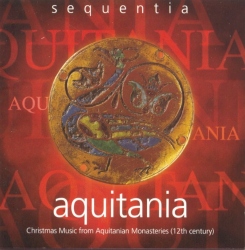
4:12
3
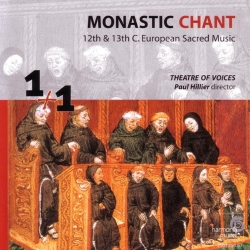
3:23
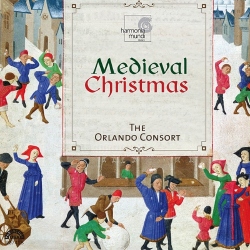
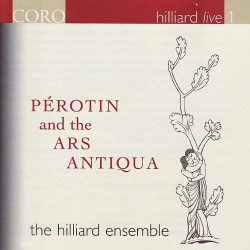
7
1:45
9
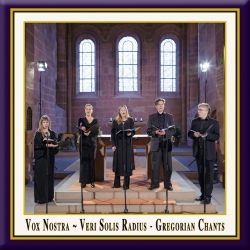
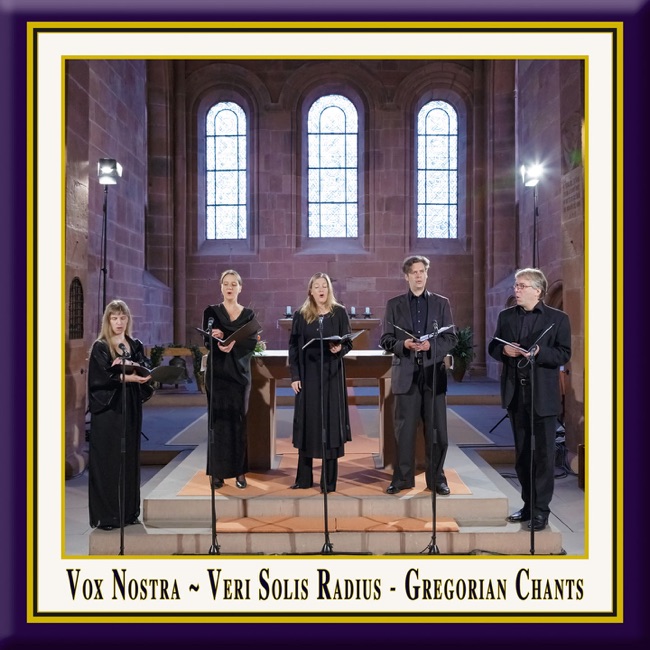
Come alone radius
Veri solis radius, Versus (Aquitanien, heute Bibl. Nat. Paris, lat. 3719, frühes 12. Jh.)
4:44
Copyright Ⓒ 2013 Davinci Finger. All rights reseved
Service Terms & Policy