


Ibn Al-Arif
Artist Info
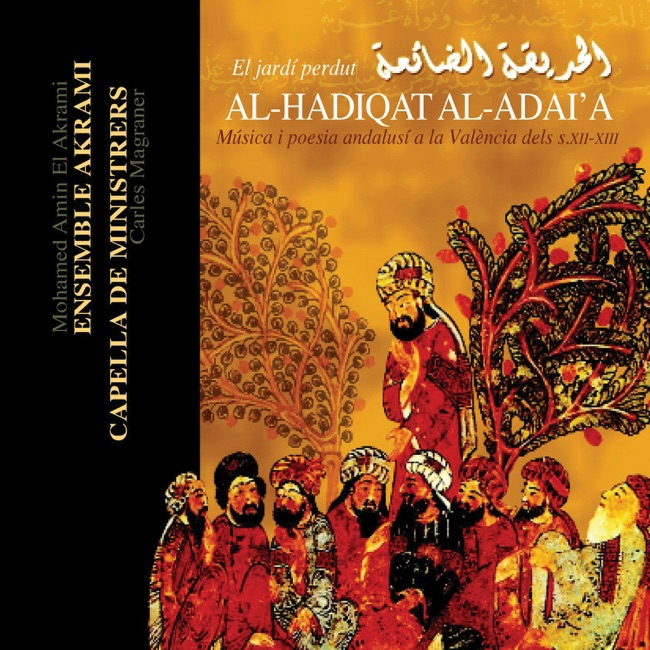
Role:ComposerBirth:1088Death:1141Period:MedievalIbn Al-Arif was a renowned classical music composer who lived during the 12th century in Andalusia, Spain. He was born in the city of Seville in 1088 and was raised in a family of musicians. His father, Abu Bakr Muhammad ibn al-Arif, was a famous musician and composer, and his mother was also a skilled singer. Ibn Al-Arif showed an early interest in music and began his training at a young age. He studied under his father and other prominent musicians in Andalusia, including Abu al-Hasan Ali ibn Nafi, who was known as Ziryab, and Abu al-Qasim al-Zahiri. He quickly became known for his exceptional talent and was soon performing at local events and festivals. As he grew older, Ibn Al-Arif began to compose his own music. He was heavily influenced by the music of the Arab world, as well as the music of the Berbers and the Moors. He also drew inspiration from the music of other cultures, including the music of Persia and India. Ibn Al-Arif's music was characterized by its complex rhythms and intricate melodies. He was known for his use of the oud, a stringed instrument similar to a lute, and the qanun, a type of zither. He also incorporated other instruments into his compositions, including the flute, the drum, and the tambourine. One of Ibn Al-Arif's most famous works is his composition "Al-Andalus," which was inspired by the music of Andalusia. The piece is a tribute to the region's rich cultural heritage and features a blend of Arab, Berber, and Moorish influences. It is considered one of the greatest works of classical music from the Islamic world. Another notable work by Ibn Al-Arif is his composition "Al-Maqam al-Hijaz," which is based on the maqam, a system of melodic modes used in traditional Arabic music. The piece is known for its haunting melody and intricate rhythms, and it has been performed by musicians around the world. Ibn Al-Arif's music was highly regarded during his lifetime, and he was often called upon to perform for royalty and other dignitaries. He was also a respected teacher and mentor, and many of his students went on to become accomplished musicians in their own right. Despite his success, Ibn Al-Arif faced many challenges during his lifetime. He lived during a time of political turmoil in Andalusia, and his music was often censored or banned by the ruling authorities. He also faced criticism from some religious leaders, who believed that music was sinful and should be avoided. Despite these challenges, Ibn Al-Arif continued to compose and perform music throughout his life. He died in 1141 at the age of 53, leaving behind a legacy of beautiful and innovative music that continues to inspire musicians and music lovers around the world.More....
Recent Artist Music

Copyright Ⓒ 2013 Davinci Finger. All rights reseved
Service Terms & Policy