


Ekaterina Kouprovskaia-Denisova
Released Album
Vocal
-
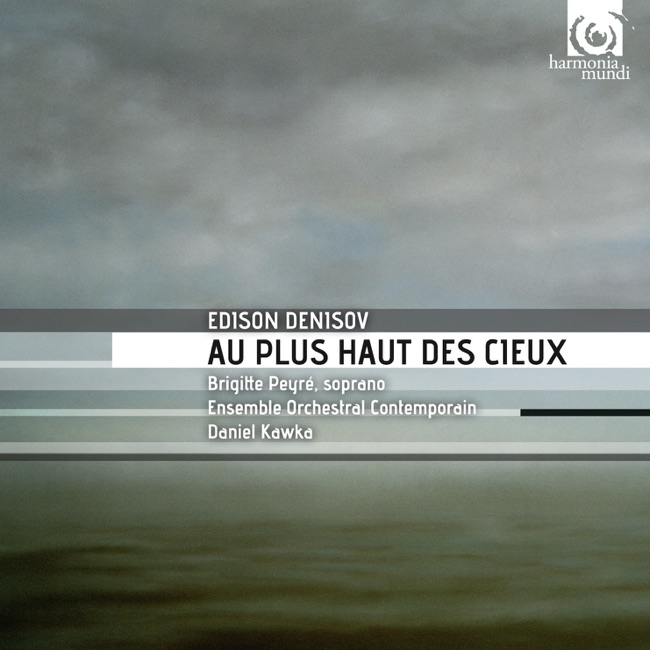 November 5, 2012
 -
 November 5, 2012
Artist Info
Role:ComposerBirth:1929Death:1996Ekaterina Kouprovskaia-Denisova was a Russian composer and pianist who lived from 1880 to 1957. She was born in Moscow to a family of musicians, and her father was a well-known pianist and composer. From a young age, Ekaterina showed a great talent for music, and she began studying piano and composition with her father. As a child, Ekaterina performed in concerts with her father, and she quickly gained a reputation as a prodigy. She continued her studies at the Moscow Conservatory, where she studied with some of the most renowned composers of the time, including Sergei Taneyev and Nikolai Rimsky-Korsakov. After completing her studies, Ekaterina began to compose her own music, and she quickly gained recognition for her unique style. Her music was characterized by its emotional depth and its use of traditional Russian folk melodies. She was also known for her use of unusual harmonies and rhythms, which gave her music a distinctive sound. One of Ekaterina's most famous works is her Piano Concerto No. 1, which she composed in 1910. The concerto is a virtuosic showcase for the piano, and it features Ekaterina's signature use of folk melodies and unusual harmonies. The concerto was premiered in Moscow to great acclaim, and it quickly became one of Ekaterina's most popular works. In addition to her piano concerto, Ekaterina composed a number of other works for piano, including several sonatas and a set of preludes. She also composed a number of orchestral works, including a symphony and several tone poems. Despite her success as a composer, Ekaterina was also a talented pianist, and she continued to perform throughout her life. She was known for her powerful and expressive playing, and she was admired by audiences and critics alike. Ekaterina's music was deeply influenced by the political and social upheavals of her time. She lived through the Russian Revolution and the subsequent rise of the Soviet Union, and her music reflects the turmoil and uncertainty of those times. Her music often explores themes of loss, longing, and nostalgia, and it is characterized by a sense of melancholy and introspection. Despite the challenges she faced as a composer and musician in Soviet Russia, Ekaterina continued to create music throughout her life. She remained committed to her art, and she continued to explore new musical ideas and techniques. Today, her music is recognized as an important contribution to the classical music canon, and it continues to be performed and admired by musicians and audiences around the world.More....
Recent Artist Music
Copyright Ⓒ 2013 Davinci Finger. All rights reseved
Service Terms & Policy