


Juan Hidalgo
Released Album
Vocal
-
 November 24, 2017
 -
 January 27, 2017
 -
-
-
 July 30, 2012
 -
Miscellaneous
-
 February 1, 1991
Artist Info
Role:ComposerCountry: SpainBirth:September 28, 1614 in Madrid, SpainDeath:March 31, 1685 in Madrid, SpainPeriod:BaroqueGenre:VocalJuan Hidalgo was a Spanish composer and musician who lived from 1614 to 1685. He was born in Madrid, Spain, and grew up in a family of musicians. His father, Francisco Hidalgo, was a singer and composer, and his mother, Isabel de los Ríos, was a harpist. Juan Hidalgo showed an early interest in music and began studying the harp and singing at a young age. Hidalgo's musical education continued when he became a choirboy at the Royal Convent of La Encarnación in Madrid. There, he received training in music theory and composition from the convent's music director, Francisco López Capillas. Hidalgo's talent as a musician was recognized early on, and he was soon appointed as a harpist in the court of King Philip IV of Spain. Hidalgo's career as a composer began in earnest in the 1640s, when he began writing music for the theater. He composed music for a number of plays and operas, including "La selva sin amor" and "Celos aun del aire matan." These works were well-received by audiences and helped establish Hidalgo as a leading composer of his time. In addition to his work in the theater, Hidalgo also composed sacred music. He wrote a number of masses, motets, and other religious works, many of which were performed in the Royal Chapel in Madrid. Hidalgo's sacred music was known for its beauty and complexity, and it helped establish him as one of the most important composers of his time. One of Hidalgo's most famous works is his "Tonadillas al estilo antiguo," a collection of songs that he composed in the 1670s. These songs were written in the style of the popular music of the time, and they were performed by singers accompanied by guitars and castanets. The "Tonadillas" were a departure from Hidalgo's more serious work, but they were immensely popular and helped establish him as a composer who could write in a variety of styles. Hidalgo's music was known for its beauty and complexity, and it was highly regarded by his contemporaries. He was a master of counterpoint and harmony, and his music was characterized by its rich textures and intricate melodies. Hidalgo's work was also notable for its use of Spanish folk music, which he incorporated into his compositions in a way that was both innovative and respectful of tradition. Despite his success as a composer, Hidalgo faced a number of challenges throughout his career. He struggled with financial difficulties, and he was often forced to rely on the patronage of wealthy individuals to support his work. He also faced criticism from some quarters for his use of Spanish folk music, which some saw as unsophisticated and unworthy of serious composition. Despite these challenges, Hidalgo continued to compose music throughout his life. He died in Madrid in 1685, leaving behind a legacy of beautiful and innovative music that continues to be celebrated today. His work has been performed and recorded by some of the world's leading musicians, and it remains an important part of the classical music canon.More....
Recent Artist Music
1
6:9
3
3:24
8
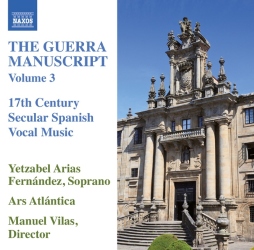
Of the lights that in the sea
Disfrazado de pastor (Disguised as a Shepherd) (J. Hidalgo) / Seguidillas (Anon.)
4:23
Copyright Ⓒ 2013 Davinci Finger. All rights reseved
Service Terms & Policy