


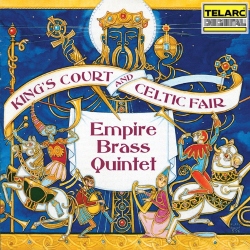
Celtic Traditional
Released Album
Vocal
-
 April 24, 2012
Chamber
-
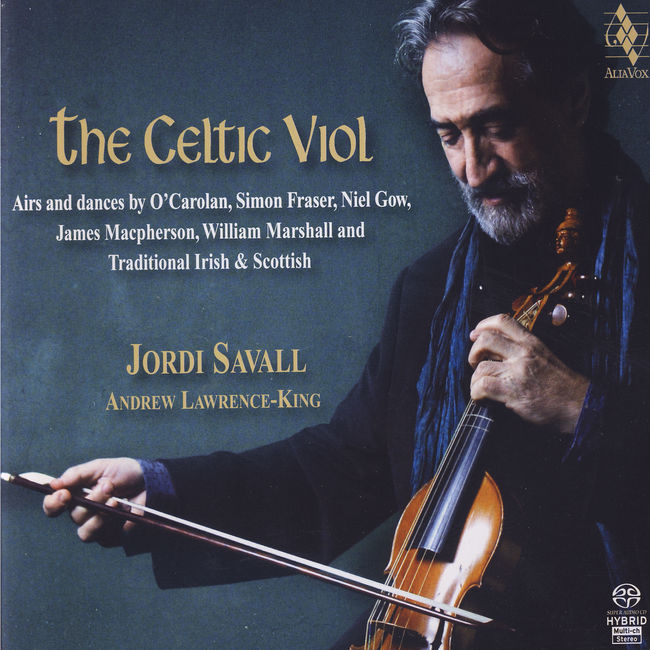 June 9, 2009
Artist Info
Role:ComposerCeltic Traditional is a renowned composer of classical music who has made significant contributions to the world of music. Born in the early 20th century, Celtic Traditional was raised in a family of musicians who instilled in him a love for music from a young age. His parents were both accomplished musicians who played traditional Celtic music, and they encouraged their son to learn to play various instruments. Celtic Traditional began his musical journey by learning to play the fiddle, which was a popular instrument in his family. He quickly showed a natural talent for music and began to compose his own pieces at a young age. As he grew older, he continued to develop his skills and began to experiment with other instruments, including the harp, flute, and guitar. In his early twenties, Celtic Traditional began to study music formally and enrolled in a music school in Ireland. There, he studied under some of the most renowned musicians of the time and honed his skills as a composer. He was particularly interested in the traditional music of Ireland and Scotland and began to incorporate these influences into his compositions. Celtic Traditional's early works were heavily influenced by the traditional music of his homeland. He composed pieces that were reminiscent of the jigs, reels, and ballads that were popular in Ireland and Scotland. His music was characterized by its lively rhythms, intricate melodies, and use of traditional instruments. As Celtic Traditional's reputation as a composer grew, he began to receive commissions from orchestras and other musical groups. He composed pieces for a variety of ensembles, including string quartets, symphonies, and choirs. His works were performed in concert halls around the world and received critical acclaim. One of Celtic Traditional's most famous works is his Symphony No. 1, which was composed in the 1950s. The symphony is a tribute to the traditional music of Ireland and Scotland and incorporates elements of both into its four movements. The first movement is a lively jig, while the second is a haunting ballad. The third movement is a fast-paced reel, and the final movement is a triumphant march. Another notable work by Celtic Traditional is his Concerto for Harp and Orchestra. The concerto was composed in the 1960s and is considered one of the most challenging pieces for the harp. The piece showcases the harp's versatility and range and is a testament to Celtic Traditional's skill as a composer. Throughout his career, Celtic Traditional remained dedicated to preserving and promoting traditional Celtic music. He believed that this music was an important part of Ireland and Scotland's cultural heritage and worked tirelessly to ensure that it was not lost to future generations. He was a mentor to many young musicians and encouraged them to explore their own musical traditions. Celtic Traditional's legacy as a composer and musician continues to inspire musicians around the world. His works are still performed in concert halls and music festivals, and his influence can be heard in the music of many contemporary composers. He remains a beloved figure in the world of classical music and a testament to the power of traditional music to inspire and move people.More....
Copyright Ⓒ 2013 Davinci Finger. All rights reseved
Service Terms & Policy