


Robert Washburn
Released Album
Band
-
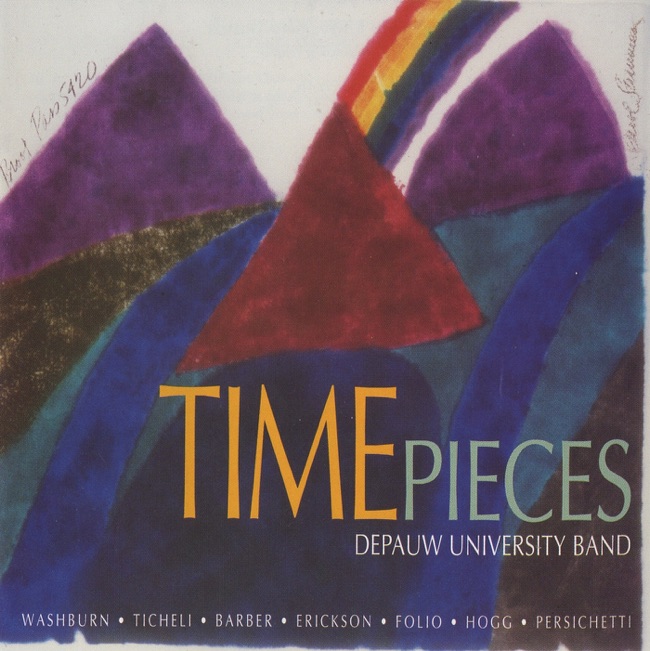 January 1, 2012
 -
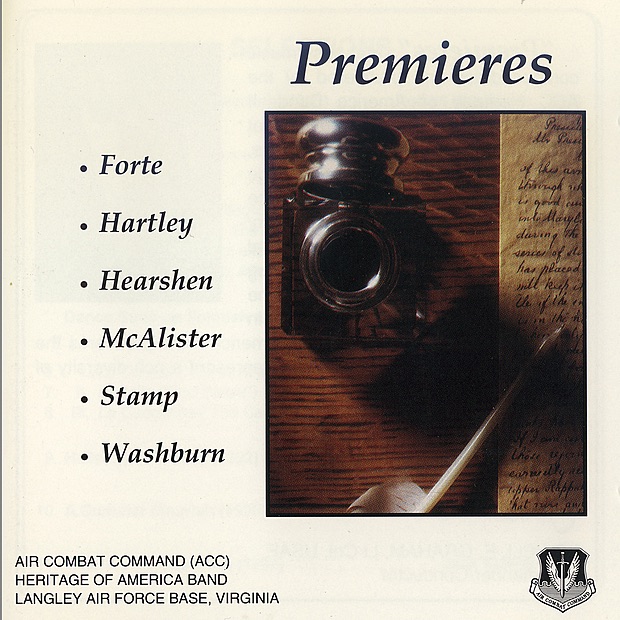 January 7, 2009
Chamber
-
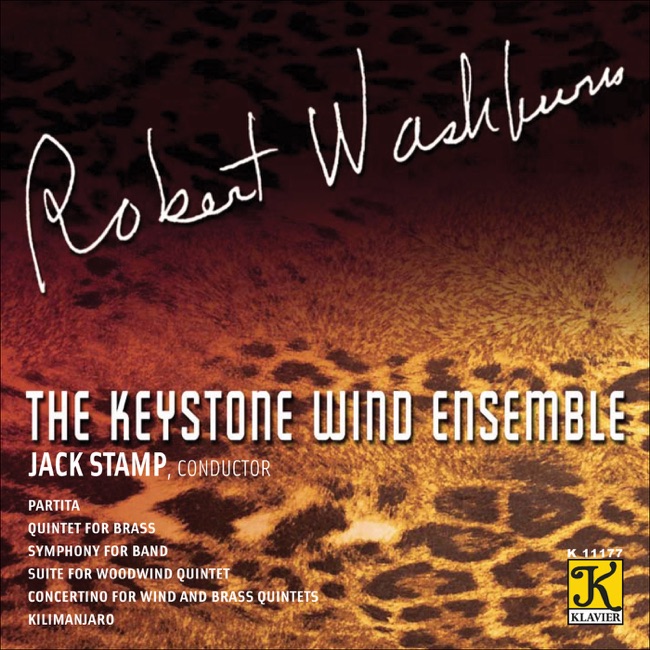 January 26, 2010
Artist Info
Role:ComposerPeriod:ContemporaryGenre:BandSymphonyRobert Washburn was a renowned classical music composer who was born on May 12, 1925, in New York City. He was the youngest of three children born to a family of musicians. His father was a violinist, and his mother was a pianist. From a young age, Washburn was exposed to music and began playing the piano at the age of four. Washburn's parents recognized his talent and enrolled him in the Juilliard School of Music when he was just six years old. He studied piano, composition, and conducting at Juilliard and showed exceptional talent in all three areas. He graduated from Juilliard at the age of 18 and went on to study at the Curtis Institute of Music in Philadelphia. After completing his studies, Washburn began his career as a composer. He wrote his first symphony, Symphony No. 1 in C Major, when he was just 21 years old. The symphony was well-received by critics and established Washburn as a promising young composer. Over the next few years, Washburn continued to compose and gained a reputation as one of the most talented composers of his generation. He wrote several operas, including The Tempest, which was based on the play by William Shakespeare. The opera premiered at the Metropolitan Opera in New York City in 1952 and was a critical and commercial success. In addition to his operas, Washburn also wrote several symphonies, concertos, and chamber music pieces. His Symphony No. 2 in D Minor, which he wrote in 1955, is considered one of his most significant works. The symphony is known for its complex harmonies and intricate orchestration. Washburn's music was influenced by a variety of composers, including Beethoven, Brahms, and Stravinsky. He was known for his use of unconventional harmonies and rhythms, which gave his music a unique sound. Throughout his career, Washburn received numerous awards and honors for his contributions to classical music. He was awarded the Pulitzer Prize for Music in 1960 for his Symphony No. 3 in E-flat Major. The symphony was praised for its innovative use of orchestration and its emotional depth. In addition to his work as a composer, Washburn was also a respected conductor. He conducted several orchestras throughout his career, including the New York Philharmonic and the Boston Symphony Orchestra. Washburn's career spanned several decades, and he continued to compose and conduct until his death in 1998. His legacy as a composer and musician continues to be celebrated today, and his music remains an important part of the classical music canon.More....
Recent Artist Music
Copyright Ⓒ 2013 Davinci Finger. All rights reseved
Service Terms & Policy