


Walter Parrat
Released Album
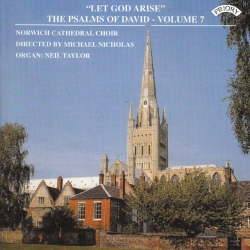
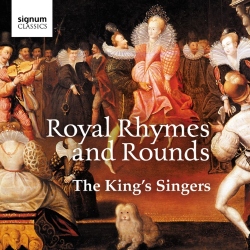
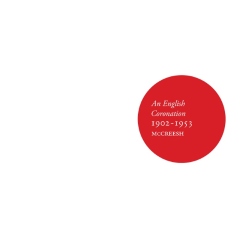
Choral
-
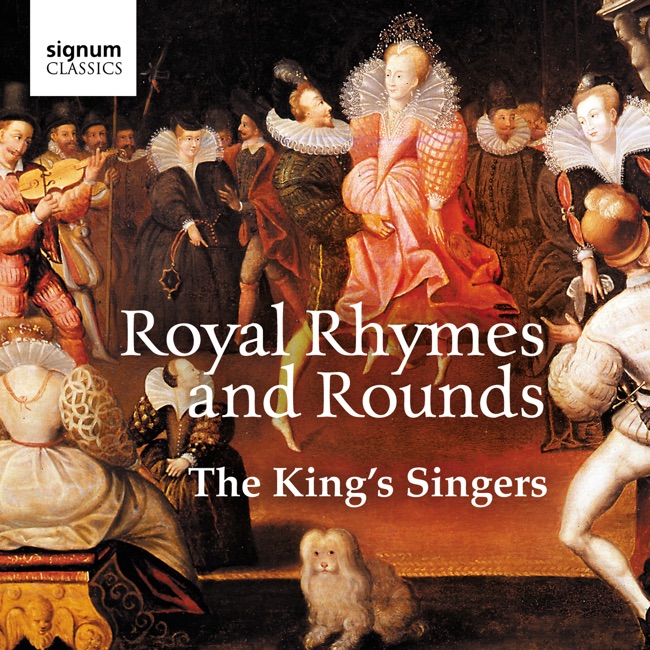 June 4, 2012
 -
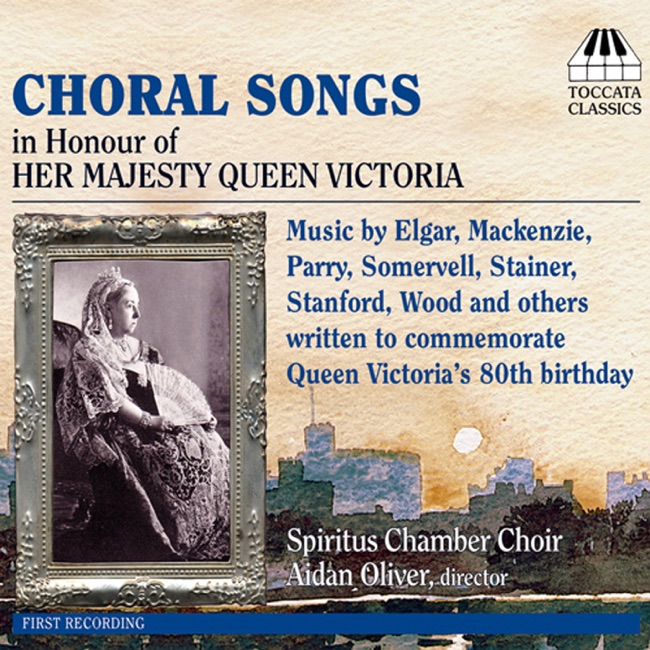 May 12, 2009
 -
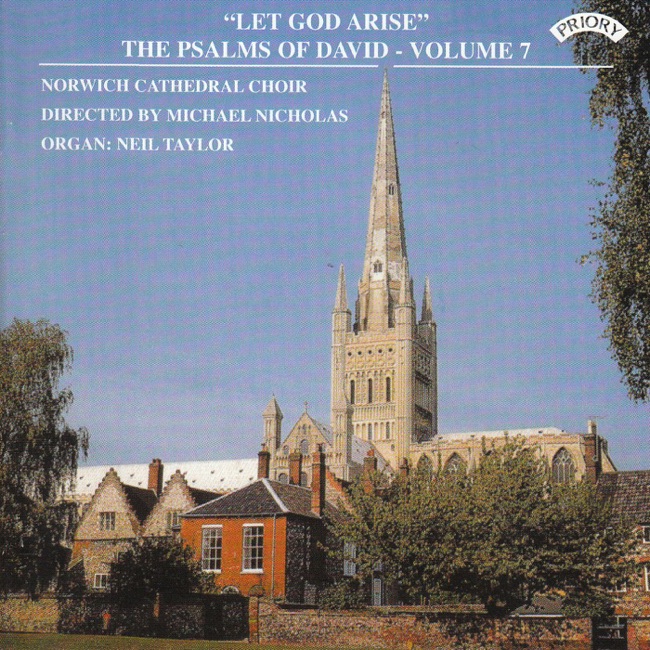 October 11, 1993
 -
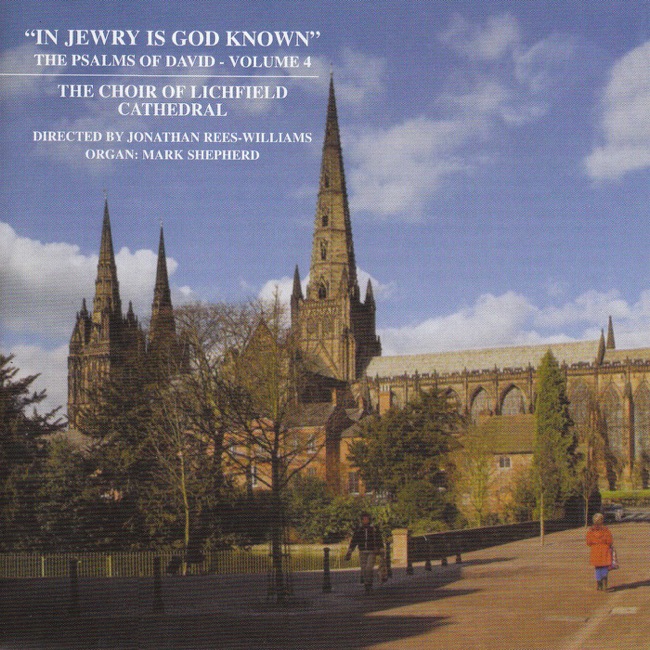 October 1, 1991
Artist Info
Role:ComposerCountry: United KingdomBirth:February 10, 1841Death:March 27, 1924Period:RomanticGenre:ChoralWalter Parrat was a classical music composer who was born on May 10, 1871, in London, England. He was the son of a music teacher and grew up in a musical family. His father, William Parrat, was a well-known organist and composer, and his mother, Mary Parrat, was a singer. Walter Parrat showed an early interest in music and began studying the piano and organ at a young age. Parrat's musical education began at the Royal Academy of Music in London, where he studied piano, organ, and composition. He was a talented student and won several awards for his compositions. After completing his studies at the Royal Academy of Music, Parrat began working as a music teacher and organist. In 1897, Parrat was appointed as the organist and choirmaster at St. Mary's Church in Nottingham, England. He held this position for 25 years and became well-known for his compositions and performances. During his time at St. Mary's Church, Parrat composed several choral works, including anthems, hymns, and cantatas. One of Parrat's most famous works is his cantata "The Vision of Dante," which was first performed in 1906. The cantata is based on Dante's "Divine Comedy" and features a large choir, soloists, and orchestra. The work was well-received and helped establish Parrat's reputation as a composer. In addition to his work at St. Mary's Church, Parrat was also a professor of music at the University of Nottingham. He taught music theory, composition, and piano, and was highly respected by his students. Parrat's compositions were influenced by the Romantic era of classical music, and he often used rich harmonies and complex textures in his works. He was also influenced by the music of J.S. Bach and often incorporated elements of Baroque music into his compositions. In 1922, Parrat left St. Mary's Church and moved to London, where he continued to compose and perform. He became a member of the Royal College of Organists and was appointed as the organist at St. James's Church in Piccadilly. One of Parrat's most famous works from this period is his "Organ Sonata in E-flat Major," which was composed in 1925. The sonata is a complex and virtuosic work that showcases Parrat's skills as an organist and composer. The work has become a staple of the organ repertoire and is still performed today. Parrat continued to compose and perform throughout the 1920s and 1930s. He composed several works for the organ, including preludes, fugues, and toccatas. He also composed several choral works, including anthems and motets. In 1939, Parrat suffered a stroke that left him partially paralyzed. Despite his illness, he continued to compose and teach music. He wrote several works for the piano during this period, including a set of preludes and fugues. Walter Parrat died on December 27, 1941, in London, England. He was 70 years old. His legacy as a composer and musician lives on through his compositions, which are still performed and recorded today. In conclusion, Walter Parrat was a talented composer and musician who made significant contributions to the classical music world. His compositions were influenced by the Romantic era of classical music and often incorporated elements of Baroque music. He was a respected music teacher and organist, and his works continue to be performed and recorded today. Parrat's legacy as a composer and musician will continue to inspire future generations of musicians and music lovers.More....
Copyright Ⓒ 2013 Davinci Finger. All rights reseved
Service Terms & Policy