


Miklós Csemiczky
Released Album
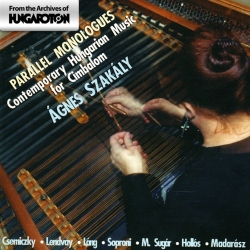
Miscellaneous
-
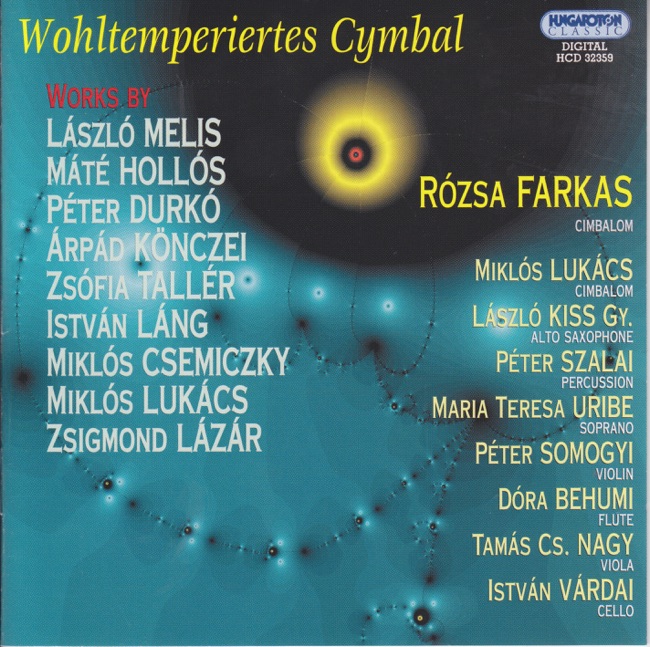 July 25, 2006
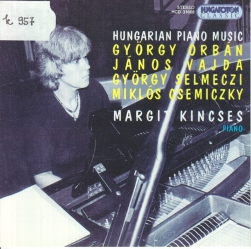
Keyboard
-
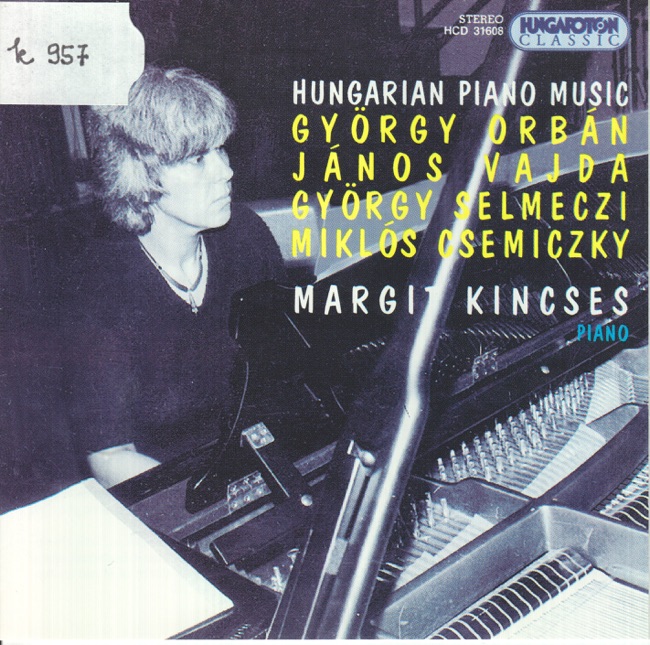 December 22, 1995
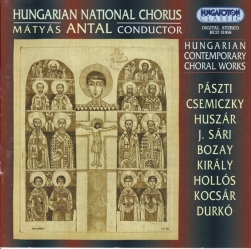
Choral
-
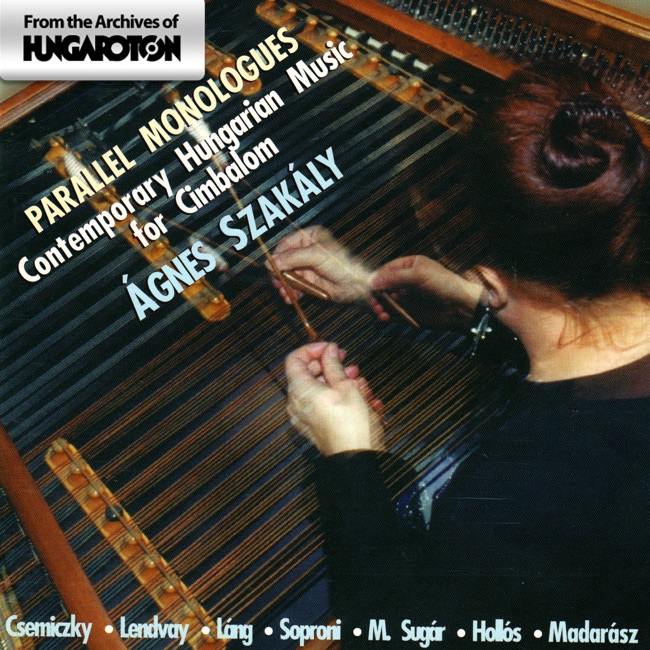
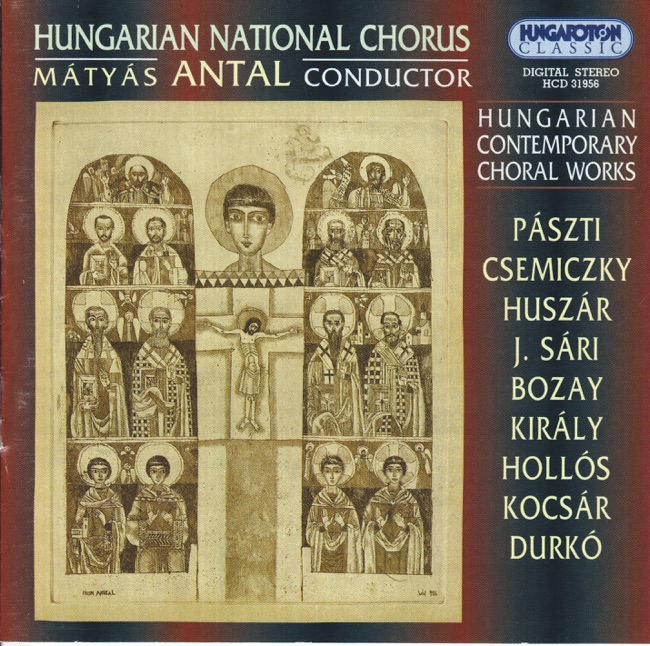 February 26, 2002
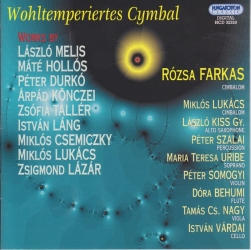
Chamber
Artist Info
Role:ComposerPeriod:ContemporaryGenre:ChamberChoralKeyboardMiklós Csemiczky was a Hungarian composer who lived from 1902 to 1986. He was born in Budapest, Hungary, and showed an early interest in music. His parents recognized his talent and encouraged him to pursue his passion for music. Csemiczky began his musical education at the Franz Liszt Academy of Music in Budapest, where he studied composition with Zoltán Kodály and piano with Béla Bartók. Csemiczky's early compositions were heavily influenced by the folk music of Hungary. He was particularly interested in the music of the Roma people, and he incorporated their melodies and rhythms into his works. His first major composition, the Suite for Orchestra, was premiered in 1927 and was well-received by audiences and critics alike. The Suite for Orchestra showcased Csemiczky's talent for orchestration and his ability to blend traditional Hungarian folk music with modern compositional techniques. In the 1930s, Csemiczky continued to compose works that were inspired by Hungarian folk music. He wrote several pieces for piano, including the Three Hungarian Dances and the Suite for Piano. He also composed a number of chamber works, including the String Quartet No. 1 and the Trio for Violin, Cello, and Piano. These works demonstrated Csemiczky's skill at writing for smaller ensembles and his ability to create complex textures and harmonies. During World War II, Csemiczky was conscripted into the Hungarian army and served on the Eastern Front. After the war, he returned to Budapest and resumed his career as a composer. He continued to write works that were inspired by Hungarian folk music, but he also began to experiment with new compositional techniques. His Symphony No. 1, which was premiered in 1948, was a departure from his earlier works in that it was more abstract and less reliant on folk melodies. In the 1950s, Csemiczky became interested in electronic music and began to experiment with tape manipulation and other electronic techniques. He composed several works for tape, including the Electronic Music No. 1 and the Electronic Music No. 2. These works were groundbreaking in their use of technology and helped to establish Csemiczky as a pioneer in the field of electronic music. In the 1960s, Csemiczky continued to explore new compositional techniques. He wrote several works for orchestra, including the Symphony No. 2 and the Concerto for Orchestra. These works were characterized by their complex harmonies and rhythms, and they demonstrated Csemiczky's mastery of orchestration. Csemiczky's later works were more introspective and reflective. He wrote several works for solo piano, including the Piano Sonata No. 2 and the Piano Sonata No. 3. These works were characterized by their lyrical melodies and introspective harmonies. Throughout his career, Csemiczky remained committed to the music of his homeland. He was a passionate advocate for Hungarian folk music and worked tirelessly to promote its use in classical music. His compositions were characterized by their unique blend of traditional Hungarian folk music and modern compositional techniques, and his works continue to be performed and admired by audiences around the world.More....
Copyright Ⓒ 2013 Davinci Finger. All rights reseved
Service Terms & Policy