


Romualds Jermaks
Released Album
Choral
-
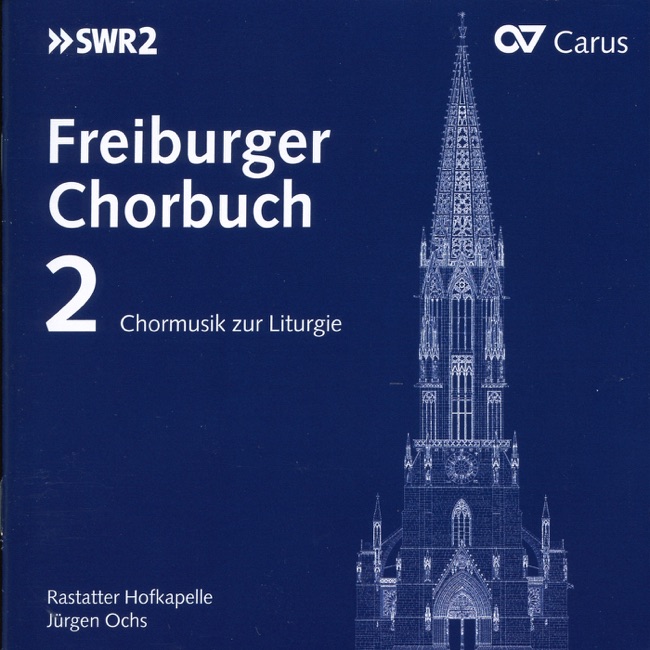 June 26, 2012
 -
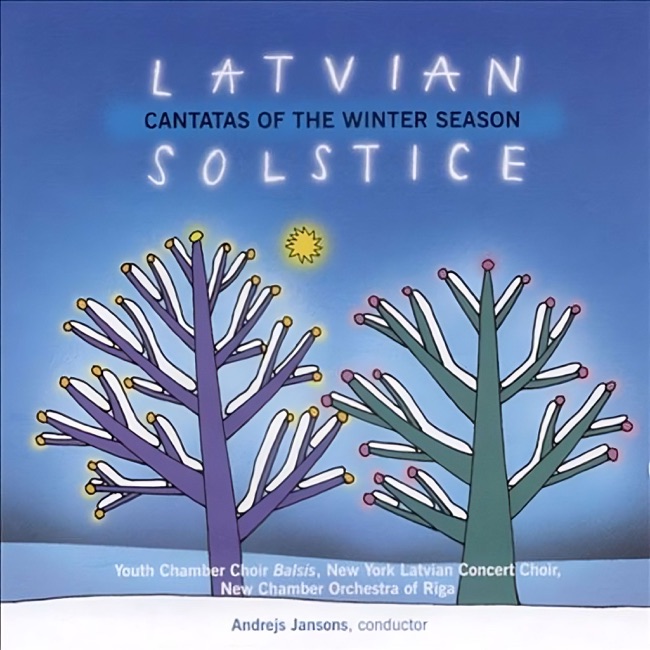 October 10, 2006
Artist Info
Role:ComposerBirth:1931Genre:KeyboardRomualds Jermaks was a Latvian composer who was born on August 28, 1936, in Riga, Latvia. He was the son of a well-known Latvian composer, Jāzeps Jermaks, who was also a professor at the Latvian State Conservatory. Romualds Jermaks grew up in a musical family and was exposed to music from a very young age. He began his musical education at the Riga Music School, where he studied piano and composition. In 1955, Jermaks entered the Latvian State Conservatory, where he studied composition with Jāzeps Vītols and piano with Arvīds Zilinskis. He graduated in 1960 with a degree in composition. After graduation, Jermaks worked as a music teacher and a composer for the Latvian Radio and Television. Jermaks' early works were influenced by the neoclassical style of his father and the modernist style of his teacher, Jāzeps Vītols. His early works include the Piano Sonata No. 1 (1958), the String Quartet No. 1 (1959), and the Symphony No. 1 (1960). These works show Jermaks' mastery of traditional forms and his ability to incorporate modernist techniques into his compositions. In the 1960s, Jermaks began to experiment with new techniques and styles. He was influenced by the avant-garde movement and began to incorporate aleatoric and serial techniques into his compositions. His works from this period include the Symphony No. 2 (1963), the String Quartet No. 2 (1964), and the Piano Sonata No. 2 (1965). In the 1970s, Jermaks' style became more tonal and melodic. He began to incorporate folk elements into his compositions, which gave his music a distinct Latvian flavor. His works from this period include the Symphony No. 3 (1971), the String Quartet No. 3 (1973), and the Piano Concerto (1975). Jermaks' most famous work is his opera, "The Glass Mountain," which was premiered in 1981. The opera is based on a Latvian folk tale and tells the story of a young man who must climb a glass mountain to win the hand of a princess. The opera is a masterpiece of Latvian music and has been performed all over the world. Jermaks continued to compose throughout the 1980s and 1990s. His later works include the Symphony No. 4 (1985), the String Quartet No. 4 (1990), and the Piano Sonata No. 3 (1995). His later works show a return to his earlier modernist style, but with a more mature and refined approach. Jermaks was a prolific composer who wrote over 200 works in his lifetime. He was awarded the Latvian State Prize in 1976 and the Order of the Three Stars in 1996. He was also a member of the Latvian Academy of Sciences and the Latvian Composers' Union. Jermaks died on January 22, 2001, in Riga, Latvia. He left behind a legacy of beautiful and innovative music that continues to be performed and appreciated by audiences all over the world.More....
Recent Artist Music

Copyright Ⓒ 2013 Davinci Finger. All rights reseved
Service Terms & Policy