


William R. Brusick
Released Album
Chamber
-
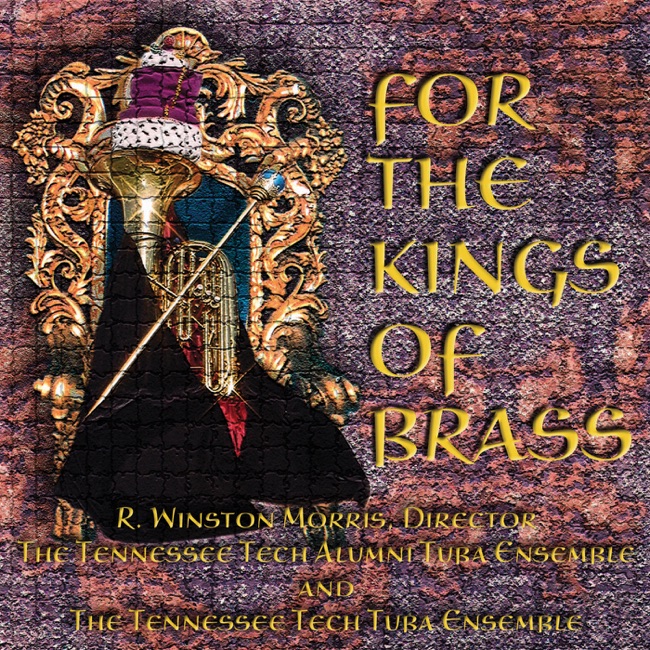 January 1, 2001
Band
-
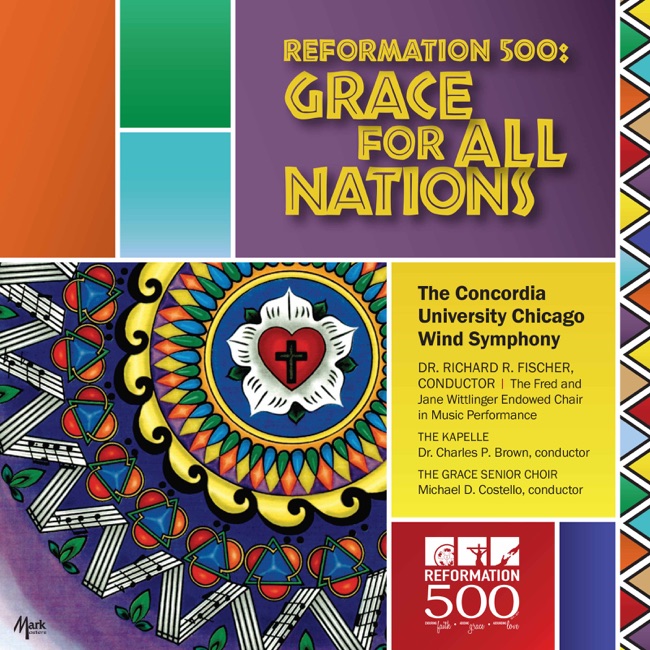 July 7, 2017
Artist Info
Role:ComposerPeriod:ContemporaryGenre:ChamberWilliam R. Brusick was an American composer of classical music, born on May 12, 1939, in Chicago, Illinois. He grew up in a family of musicians, with his father being a violinist and his mother a pianist. Brusick showed an early interest in music and began playing the piano at the age of five. He later learned to play the violin and the viola. Brusick attended the University of Illinois at Urbana-Champaign, where he studied composition with Salvatore Martirano and Lejaren Hiller. He received his Bachelor of Music degree in 1961 and his Master of Music degree in 1963. During his time at the university, Brusick was awarded the George A. Miller Award for Excellence in Composition. After completing his studies, Brusick worked as a composer and arranger for various television and radio stations in Chicago. He also taught music theory and composition at the American Conservatory of Music in Chicago. Brusick's early works were influenced by the avant-garde music of the 1960s, particularly the works of John Cage and Karlheinz Stockhausen. His compositions from this period often featured unconventional instrumentation and experimental techniques. One of Brusick's most notable works from this period is his "Electronic Music for Tape" (1964), which was created using a combination of electronic and acoustic sounds. The piece was well-received and was performed at various festivals and concerts throughout the United States. In the 1970s, Brusick's style began to shift towards a more traditional approach to composition. He began incorporating tonal harmonies and more conventional instrumentation into his works. This change in style was influenced by his interest in the music of composers such as Gustav Mahler and Anton Bruckner. One of Brusick's most well-known works from this period is his Symphony No. 1 (1975), which was commissioned by the Chicago Symphony Orchestra. The piece is a large-scale work for orchestra and features a traditional four-movement structure. The symphony was well-received and has been performed by orchestras throughout the United States. Brusick continued to compose throughout the 1980s and 1990s, creating works for a variety of ensembles and solo instruments. One of his most notable works from this period is his "Concerto for Violin and Orchestra" (1992), which was commissioned by the Chicago Symphony Orchestra. The piece features a virtuosic solo violin part and has been performed by numerous violinists around the world. Brusick's later works often featured a more introspective and contemplative style, with a focus on melody and harmony. He continued to compose until his death on January 12, 2010, in Chicago, Illinois. In addition to his work as a composer, Brusick was also a respected music educator. He taught at various universities throughout the United States, including the University of Illinois at Urbana-Champaign, the University of Wisconsin-Madison, and the University of Michigan. Overall, William R. Brusick was a highly respected composer of classical music, known for his innovative approach to composition and his ability to incorporate a wide range of musical influences into his works. His compositions continue to be performed and studied by musicians and music lovers around the world.More....
Recent Artist Music
Copyright Ⓒ 2013 Davinci Finger. All rights reseved
Service Terms & Policy