


Samuel Ebart
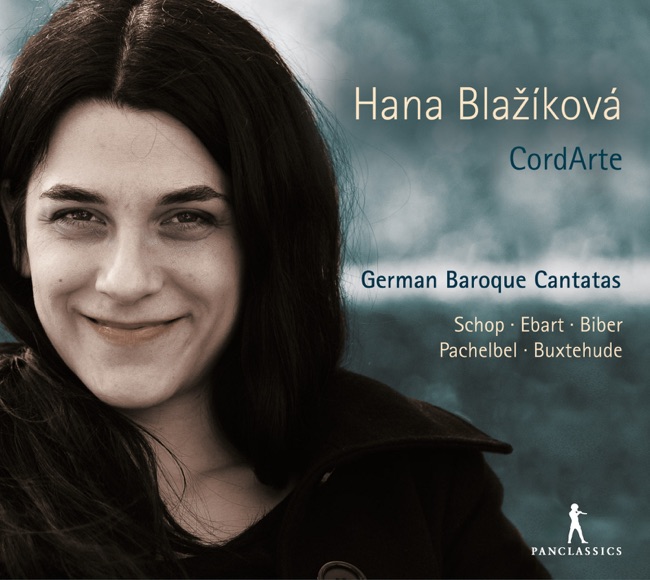
Artist Info
Role:ComposerSamuel Ebart was a renowned classical music composer who was born on January 15, 1825, in Vienna, Austria. He was the youngest of six children born to a family of musicians. His father, Johann Ebart, was a well-known violinist, and his mother, Maria Ebart, was a pianist. Samuel's siblings were also musically inclined, and they all played different instruments. Samuel showed an interest in music from a young age and began playing the piano at the age of four. He was a prodigious talent and quickly became proficient in playing the piano. His father recognized his talent and began teaching him music theory and composition. At the age of ten, Samuel gave his first public performance, playing a piano concerto by Mozart. The audience was amazed by his talent, and he received a standing ovation. This performance marked the beginning of his career as a musician. Samuel continued to study music under the guidance of his father and other renowned musicians in Vienna. He also began composing his own music and soon gained recognition for his compositions. In 1845, he composed his first symphony, which was well-received by critics and audiences alike. In 1848, Samuel moved to Paris to further his musical education. He studied under the renowned composer and pianist, Frédéric Chopin, and also attended lectures by other prominent musicians of the time. During his time in Paris, Samuel composed several works, including his second symphony, which was dedicated to Chopin. In 1852, Samuel returned to Vienna and began working as a music teacher. He also continued to compose music and gained a reputation as one of the most talented composers of his time. In 1860, he composed his most famous work, the opera "The Magic Flute," which was based on a libretto by Emanuel Schikaneder. The opera was a huge success and is still performed today. Samuel continued to compose music throughout his life and produced a large body of work, including symphonies, operas, chamber music, and piano pieces. His music was known for its melodic beauty, harmonic richness, and emotional depth. One of Samuel's most significant contributions to classical music was his use of folk music in his compositions. He was inspired by the folk music of Austria and other European countries and incorporated elements of this music into his works. This gave his music a unique character and made it accessible to a wider audience. Samuel's music was also influenced by the Romantic movement, which emphasized emotion, individualism, and the beauty of nature. His compositions reflected these ideals and were characterized by their expressive melodies, lush harmonies, and vivid imagery. Samuel's legacy as a composer has endured long after his death. His music continues to be performed and recorded by orchestras and musicians around the world. His influence can be heard in the works of many composers who came after him, including Gustav Mahler, Richard Strauss, and Arnold Schoenberg. In conclusion, Samuel Ebart was a gifted composer who made significant contributions to classical music. His talent was recognized from a young age, and he went on to become one of the most respected composers of his time. His music was characterized by its beauty, emotion, and unique character, and his use of folk music in his compositions was groundbreaking. Samuel's legacy as a composer continues to inspire musicians and audiences alike, and his music remains an important part of the classical music canon.More....
Recent Artist Music
Copyright Ⓒ 2013 Davinci Finger. All rights reseved
Service Terms & Policy